
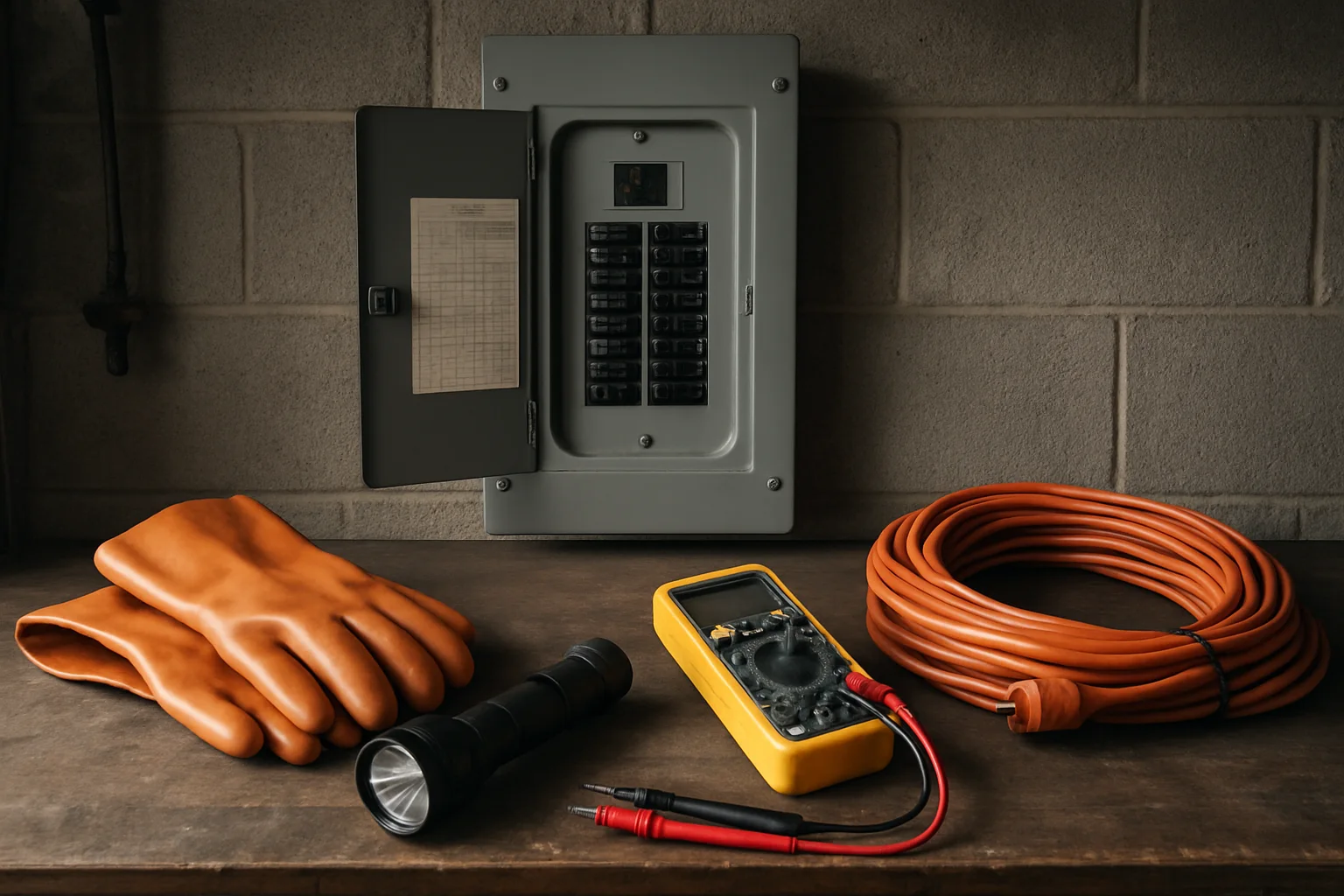
Why Emergency Electrical Service Matters
Electrical problems can move from inconvenient to dangerous very quickly, especially in Northwest Florida homes that face heavy summer storms, humidity, salt air, and seasonal power interruptions. A breaker that trips once may be a simple overload, but repeated trips, burning odors, visible sparking, or loss of power to key parts of the home can indicate a condition that needs immediate professional attention. Emergency electrical service exists to help homeowners address these situations before they become fires, equipment damage, or extended outages that affect safety and comfort.
Knowing when to call for help is just as important as knowing what the electrician will do when they arrive. A qualified electrician can assess the situation, identify the source of the fault, and recommend a repair path based on safety and code compliance. For homeowners in Bay, Walton, and Okaloosa counties, that matters because local weather and aging electrical systems can create conditions where problems reappear if the underlying cause is not found. 850 Electrical, part of veteran-owned A Superior Mechanical, serves the region with professional assessment when urgent electrical issues arise.
Common Warning Signs Homeowners Should Not Ignore
Some electrical issues are obvious, while others start subtly. A light that flickers every time an appliance runs, an outlet that feels warm, or a breaker that trips again after being reset may seem minor at first. However, these symptoms can point to loose connections, overloaded circuits, damaged devices, or wiring deterioration. When warning signs show up together, or become more frequent, they deserve a professional diagnosis instead of repeated guessing or temporary workarounds.
Other red flags include buzzing from outlets or panels, a persistent fishy or burning smell, scorch marks near receptacles, sudden dimming across several rooms, or any sign that a plug, switch, or panel is physically damaged. If the home loses power in one area while the rest remains on, the issue may be localized to a circuit, but it can also involve a failing breaker, damaged wiring, or a service problem. These are the kinds of conditions where professional assessment is safer than continuing to use the affected area. A trained electrician can distinguish between a nuisance issue and a developing hazard.
When a Breaker Tripping Becomes an Emergency
Circuit breakers are designed to protect the electrical system, so an occasional trip is not always cause for alarm. But when a breaker trips repeatedly, refuses to stay reset, or trips as soon as a device is plugged in, that is a sign that something on the circuit needs attention. The circuit may be overloaded, or the breaker itself may be failing. In some cases, the problem is a damaged appliance drawing abnormal current. In others, the issue lies in the wiring or a loose connection hidden behind a wall or at a device.
Homeowners should treat repeated tripping as more than an annoyance because the breaker is doing its job for a reason. Resetting it again and again without identifying the cause can put stress on the system and can leave a defect unresolved. A professional electrician will inspect the load on the circuit, test the breaker and connected devices, and look for signs of overheating or arcing. That process helps determine whether the solution is redistribution of load, replacement of a defective component, or a deeper repair. Emergency service is especially important if the tripping is accompanied by heat, odor, or visible damage.
Flickering Lights, Dimming, and What They Can Mean
Flickering lights are common enough that many homeowners dismiss them, but they can mean different things depending on the pattern and how widespread the problem is. A single bulb may flicker because it is loose or nearing the end of its life. A whole room or multiple rooms dimming when another appliance starts is more concerning. That pattern can indicate voltage fluctuation, a loose connection, a circuit overloaded by demand, or an issue with the electrical service feeding the home. In coastal and storm-prone areas, these symptoms should be taken seriously because unstable service can affect sensitive electronics and household comfort.
Professional diagnosis is important because the cause is not always where the symptom appears. The visible flicker may start at a fixture, but the root cause might be in the switch, junction box, breaker panel, or service entry. Electricians use testing tools to evaluate the circuit under load and determine whether the issue is local or system-wide. That distinction matters because homeowners sometimes replace bulbs or fixtures repeatedly when the real problem is a wiring connection that needs correction. If flickering becomes frequent or spreads to more than one area of the home, it is time for an expert assessment.
Burning Smells, Heat, and Visible Damage
A burning odor near a wall outlet, switch, panel, or appliance should never be ignored. Electricity can cause insulation and plastic components to overheat long before there is visible smoke. Likewise, a warm outlet faceplate, a hot breaker panel cover, or discoloration around a receptacle suggests that heat is building somewhere in the system. Those signs may come from a loose connection, overloaded circuit, damaged device, or failing component. Even if the smell fades, the underlying issue may still be present and able to worsen the next time the circuit is used.
Visible damage is another reason to stop using the affected area and arrange professional help. Scorching, melting, cracking, or charring around electrical equipment indicates that heat or arcing has already occurred. A professional electrician will inspect the damaged point and related wiring to understand whether the problem is isolated or part of a larger condition. They will also look for signs of moisture intrusion, corrosion, or improper installation that may have contributed to the failure. This is not a situation for guesswork. The safest response is to reduce use of the affected circuit and have it evaluated promptly by a qualified professional.
Storms, Surges, and Northwest Florida Conditions
Northwest Florida weather can create electrical trouble even in homes that otherwise seem well maintained. Thunderstorms, lightning, wind-driven rain, and utility interruptions can stress electrical systems, damage outdoor equipment, and create surge-related issues inside the home. After a storm, homeowners may notice a tripped breaker, a dead outlet, malfunctioning appliances, or intermittent service in parts of the house. These symptoms do not always mean the home needs major repairs, but they do indicate that the system should be checked if the issue persists. Moisture and storm-related damage can remain hidden in outdoor outlets, service equipment, attic spaces, or wall cavities.
Surge protection and proper grounding help reduce risk, but they do not eliminate the need for diagnosis after a severe event. A professional electrician can inspect the service equipment, grounding and bonding components, outdoor fixtures, and any areas where water may have entered. They can also determine whether the issue is related to the utility feed, an individual circuit, or a damaged appliance. For homeowners in coastal and storm-exposed areas, prompt assessment after a weather event can prevent a small problem from becoming a larger one later. That is one reason 24-hour emergency electrical service is valuable in this region.
Power Loss: Whole Home, Partial Home, or One Room
Not all outages are the same, and the pattern of the power loss helps narrow the possible cause. If the whole home loses power, the issue could be with the utility feed, the meter, the main disconnect, or the service equipment. If only part of the house is affected, the problem may be limited to a branch circuit, subpanel, breaker, or connection inside the home. A single room or one outlet may point to a localized failure, but it can also be the earliest sign of something larger if the issue spreads or recurs. Understanding the scope of the outage helps homeowners communicate useful details when requesting emergency service.
Professional diagnosis begins with confirming exactly what is and is not working. Electricians look at the pattern of the outage, check whether neighboring circuits are affected, and test the panel and key devices to trace the loss of power. They also evaluate whether the home’s wiring, service entrance, or equipment has been damaged by water, age, or heat. The goal is not just to restore electricity, but to restore it safely and correctly. When power loss involves critical systems like refrigeration, HVAC, medical equipment, or well pumps, quick professional attention becomes even more important.
What a Professional Emergency Diagnosis Includes
A professional electrical diagnosis is more than a quick reset of a breaker. It usually starts with a careful interview about what the homeowner noticed, when the issue began, and what happened just before the problem appeared. That information helps the electrician focus on the most likely causes. The next step is a visual inspection of the panel, outlets, switches, fixtures, and accessible wiring areas to look for heat, wear, moisture, corrosion, or improper connections. This first look often reveals clues that are not obvious to the homeowner.
From there, the electrician may use meters and other testing tools to check voltage, circuit continuity, breaker performance, and load conditions. The purpose is to identify where the fault is occurring and whether the problem is immediate, intermittent, or developing. In some cases, the diagnosis points to a specific failed device. In others, it reveals a broader issue such as overloaded circuits, loose terminations, or aging service components. A good professional assessment does not just name a symptom; it explains the cause and the safest repair options. That is especially important in emergency situations, where speed matters but accuracy matters just as much.
Why DIY Troubleshooting Can Be Risky
Many homeowners are comfortable replacing a bulb or plugging a device into another outlet, but electrical troubleshooting can quickly move beyond simple tasks. Opening a panel, testing live conductors, or trying to identify the cause of repeated tripping without the right training can expose a homeowner to shock, arc flash, and further equipment damage. Even when no one is injured, incorrect handling can make the original problem harder to diagnose or can create a new hazard. It is easy to underestimate how much energy is present in home electrical systems.
A safer approach is to observe and report the signs, then let a professional handle the diagnostic work. Homeowners can note when the issue occurs, which rooms or appliances are involved, whether there were recent storms or power interruptions, and whether there were odors, sounds, or heat. That information is useful and does not require risky intervention. Once the electrician arrives, they can isolate circuits and inspect equipment using proper tools and procedures. Emergency service is especially appropriate when the issue involves sparking, burning odors, damage to the panel, or any situation where the homeowner is unsure whether the system is safe to use.
Special Concerns in Older Homes and Renovations
Older homes often have electrical systems that have served well for decades, but age can bring added risk. Wiring insulation can deteriorate, grounding may be incomplete by modern standards, and service capacity may not match present-day electrical demand. Renovated homes can also present challenges if new loads were added without full system updates. Kitchens, laundry areas, home offices, and entertainment equipment all increase demand, and the system may show strain through tripping, dimming, or overheated components. These issues do not mean the home is unsafe by default, but they do mean it should be professionally evaluated when warning signs appear.
A thorough electrician will not assume that age alone is the problem. Instead, they will look at the actual condition of the wiring, panel, grounding, devices, and load distribution. They may identify outdated components that still function but no longer perform well under current usage patterns. They can also help determine whether the issue is isolated to one circuit or reflects a broader need for electrical improvements. For homeowners considering whether an emergency call is warranted, the answer is yes if older equipment starts behaving abnormally. The combination of age and a new warning sign deserves prompt attention.
Outdoor Equipment, Garages, and Moisture Exposure
Outdoor outlets, lighting, detached structures, garages, and service equipment are often exposed to more moisture, temperature swings, dust, and physical wear than indoor systems. In Northwest Florida, those conditions can accelerate corrosion or lead to intermittent failures that are easy to overlook until something stops working. A garage outlet that no longer powers tools, a porch light that flickers after rain, or a receptacle cover that shows damage can all point to electrical deterioration. Because these areas are exposed, the warning signs may develop more quickly than in climate-controlled interior spaces.
Moisture-related issues are one of the most important reasons to seek professional diagnosis. Water intrusion can affect boxes, fittings, wiring insulation, and breakers. It can also create corrosion that makes connections less reliable over time. A professional electrician can inspect the affected area, determine whether the issue is related to water entry, and identify any components that need repair or replacement. They can also verify whether the location is properly protected for outdoor use. If a homeowner notices recurring problems in garages or exterior spaces, it is better to have the system examined than to keep replacing fixtures or outlets without finding the cause.
How Homeowners Can Prepare for an Emergency Visit
When an urgent electrical issue occurs, a little preparation can help the visit go smoothly. Homeowners should note which breakers tripped, where power was lost, what appliances were running, and whether there were any unusual sounds, smells, or visible signs. If safe to do so, they can also clear access to the electrical panel, affected outlets, or equipment areas so the electrician can inspect them without delay. It helps to know whether the issue is ongoing or whether power returned temporarily, because intermittent problems often require detailed tracing. These details support faster diagnosis and can reduce guesswork.
It is also wise to prioritize safety while waiting for the electrician. Avoid repeatedly resetting breakers or using outlets that show heat, sparks, or damage. Keep people away from burned or sparking areas, and do not move or touch equipment that appears compromised. If the problem affects refrigeration, HVAC, security systems, or other critical needs, mention that when calling. For homeowners in Bay, Walton, and Okaloosa counties, prompt communication helps the service team understand the urgency and come prepared. 850 Electrical, part of veteran-owned A Superior Mechanical, can provide professional assessment when electrical issues cannot wait for a routine appointment.
When to Call 850 Electrical for 24-Hour Help
The simplest rule is this: if an electrical problem threatens safety, comfort, or the integrity of your home’s system, it should be treated as urgent. Repeated breaker trips, burning odors, sparking, heat at outlets or panels, storm-related damage, partial power loss, and unexplained flickering are all reasons to request professional evaluation. Even if the issue appears to come and go, that does not make it harmless. Intermittent faults can be difficult to predict and may worsen under load, after storms, or when the home is using more electricity than usual.
24-hour emergency electrical service is valuable because electrical problems do not always happen during business hours. When a problem cannot wait, a trained electrician can assess the situation, identify the likely cause, and recommend the safest next step. That may involve isolating a circuit, repairing damaged components, or advising the homeowner on temporary precautions until the full repair can be completed. For Northwest Florida homeowners, keeping a trusted local electrical contact handy is a practical part of home preparedness. If you need emergency electrical help, call 850-258-3225 for service in Bay, Walton, and Okaloosa counties.
Explore related electrical care
- 24 Hour Emergency Electrical Service
- Battery Backup Systems
- Ceiling Fan Services
- Circuit Breaker Panels & Rewiring
- Commercial Electrical New Construction
- Data Network Cabling
Continue reading
- Electrical Inspections and Code Updates for Northwest Florida Homeowners: Warning Signs and Professional Diagnosis
- Electrical Financing: Warning Signs and Professional Diagnosis for Northwest Florida Homeowners
- Planning Professional Electrical Service in Northwest Florida: Warning Signs, Smart Questions, and a Safe Homeowner Maintenance Plan
Talk with the 850 Electrical team for help with your home or business.