
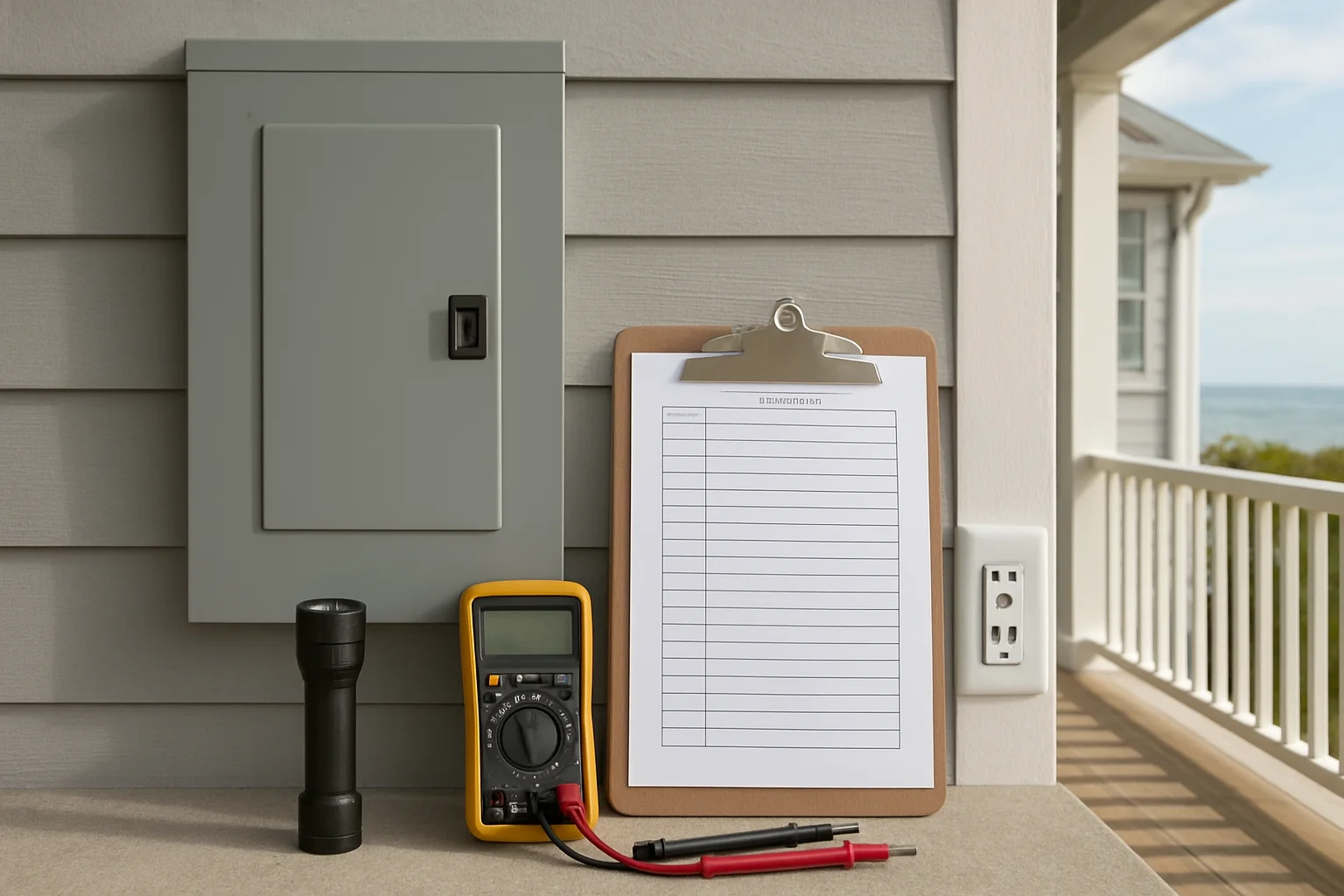
Why electrical inspections matter in Northwest Florida homes
An electrical system can look fine on the surface while developing hidden problems behind walls, in panels, at outlets, or in attic spaces. For Northwest Florida homeowners, inspections matter because heat, humidity, salt exposure, storms, and everyday electrical demand can all influence how long components last and how safely they operate. A home may still have power even when parts of the system are stressed, outdated, or no longer well matched to current usage. That is why a professional inspection is more than a formality; it is a practical way to identify risks before they become outages, damage, or safety concerns.
Code updates also matter because homes are often altered over time. A property may have older wiring with newer appliances, an added room, a hot tub, a generator connection, a remodel, or a panel that has been modified by different contractors over the years. Each change can affect load, protection, and grounding. An inspection helps determine whether the system appears consistent with modern expectations and whether the home has signs of unsafe wear, improper repairs, or conditions that should be corrected by a licensed electrician. For homeowners in Bay, Walton, and Okaloosa counties, that kind of assessment supports both safety and peace of mind.
Local conditions that influence electrical wear and tear
Northwest Florida weather can be hard on electrical components. High humidity can contribute to corrosion on outdoor equipment, connections, and metal enclosures. Salt air near coastal areas can accelerate deterioration, especially where equipment is exposed or not adequately protected. Storm season can introduce power interruptions, surges, and moisture intrusion that do not always cause immediate failure but can shorten equipment life or create hidden weaknesses. Even when the lights come back on and appliances seem normal, a system may have sustained stress that only becomes visible during an inspection.
Temperature swings and heavy cooling loads also play a role. Many homes in this region rely on air conditioning for long periods, and the electrical system must support that demand safely. When circuits are near capacity or wiring is aging, the strain may show up as tripping breakers, warm devices, dimming lights, or recurring nuisance issues. Professional diagnosis looks at the whole picture: the home’s age, prior repairs, outdoor exposure, appliance changes, and any signs that the electrical system may not be keeping up with current conditions. That broader view is important because a symptom in one room can point to a problem elsewhere in the system.
Common warning signs homeowners should not ignore
Some electrical warning signs are obvious, while others are easy to dismiss. Frequent breaker trips, buzzing from outlets or panels, lights that dim when large appliances start, and outlets or switches that feel warm are all signals that deserve attention. Burning smells, discoloration around devices, flickering that affects multiple fixtures, and receptacles that no longer hold plugs securely can also indicate trouble. In an older home, the presence of two-prong outlets, ungrounded fixtures, or makeshift repairs may suggest that the system needs a closer look, even if everything still appears to function.
Homeowners should also pay attention to patterns. If a single outlet fails once, it may be isolated. But if several rooms show the same issue, or if problems return after a reset, the cause may involve wiring, circuit loading, loose connections, or equipment wear. Storm-related problems can be especially deceptive, because damage may not show up immediately. Professional inspection helps separate minor inconvenience from real hazard. It is not just about identifying what is broken today; it is about determining whether the condition could worsen, spread, or affect the safety of the entire home if left unaddressed.
What an electrical inspection typically evaluates
A professional electrical inspection is a systematic review, not a quick glance. The electrician will typically examine service equipment, the main panel, breakers, grounding and bonding components, visible wiring conditions, receptacles, switches, lighting concerns, and major fixed appliances as appropriate. They may look for corrosion, loose or damaged parts, outdated equipment, signs of overheating, and evidence of past repairs that do not appear consistent with modern standards. The goal is to understand how the system is functioning now and whether any visible conditions warrant correction.
The inspection may also include a discussion of how the home is used. A homeowner who works from home, runs multiple large appliances, or has recently added a workshop, electric vehicle charger, or additional cooling equipment may be placing different demands on the system than when the house was first built. A professional assessment should account for those changes. In many cases, the most valuable part of the inspection is the interpretation: which findings are urgent, which are maintenance items, and which are simply older features that should be monitored or updated during planned improvements. That context helps homeowners make informed decisions instead of reacting to every symptom the same way.
Why code updates matter even when the home seems to work fine
Electrical code updates are meant to improve safety and reliability, but they do not always arrive with a dramatic warning. A house can appear fully functional while still lacking features that newer standards expect, such as safer protection in certain areas, more adequate circuit arrangements, or updated grounding and surge considerations. That does not automatically mean the home is unsafe or that every older feature must be replaced immediately. It does mean that the system should be evaluated by a professional who understands how current expectations apply to an existing structure.
Homeowners often run into code-related questions during remodels, panel changes, appliance upgrades, or insurance-related reviews. At those moments, an inspector or electrician may identify conditions that need correction to bring the work into alignment with current requirements. The key is that code is not just a checklist; it is a framework for reducing risk. In older Northwest Florida homes, code updates can matter especially when circuits have been added over time or when new loads are introduced without a corresponding assessment of the service capacity. A professional diagnosis helps distinguish between what is merely old and what is no longer appropriate for safe operation.
Panels, breakers, and load: what homeowners should understand
The electrical panel is the heart of the home’s distribution system, so it is one of the first places professionals examine when warning signs appear. An overloaded or aging panel can contribute to nuisance trips, inconsistent performance, overheating, and in some cases unsafe conditions that are not obvious to the homeowner. Breakers are designed to protect circuits, but they can wear out or become problematic if the system has experienced repeated stress, moisture exposure, poor workmanship, or modifications over time. A clean-looking panel does not necessarily mean the internals or connections are in good shape.
Load is equally important. Today’s homes often use more electricity than older homes were originally designed to handle. Multiple televisions, chargers, home office equipment, kitchen appliances, laundry machines, HVAC systems, and outdoor equipment can all add up. If the system is near its limits, symptoms may show up intermittently. A professional will consider whether the service size, breaker arrangement, and distribution of circuits appear suitable for the home’s actual needs. That assessment can help determine whether the issue is a simple circuit problem, a localized device failure, or a broader capacity concern that requires a more involved solution.
Outlets, switches, and visible signs of trouble inside the home
Outlet and switch problems are among the most common issues homeowners notice first. Loose receptacles, dead outlets, flickering fixtures, or switches that make unusual sounds can all indicate wear, damage, or poor connections. In some cases, the issue is isolated to one device. In others, it points to a circuit problem or hidden splice issue. A professional inspection can identify whether the problem is caused by the device itself, by the wiring feeding it, or by a larger circuit condition that affects several locations in the home. The distinction matters because replacing a visible device alone will not solve a deeper electrical issue.
Homeowners should also note any signs of discoloration, soot, melted covers, or scorch marks, even if they are minor. These are not cosmetic flaws; they can be evidence of heat that developed over time. Warmth around a device, repeated plug looseness, or outlets that no longer function reliably deserve prompt attention. In humid coastal conditions, corrosion can also affect contacts and connections, especially in garages, porches, and exterior walls. A professional diagnosis helps determine whether the issue is environmental, age-related, or a symptom of improper installation, and it ensures that any corrective work is handled safely rather than through guesswork.
Outdoor equipment, moisture, and storm-related concerns
Outdoor electrical components face some of the harshest conditions on a property. Heat, rain, wind-driven moisture, insects, corrosion, and debris can all contribute to wear. Weatherproof covers, exterior receptacles, service equipment, and disconnects should be evaluated regularly, especially after major storms. Even if equipment still appears intact, water intrusion may have affected seals, boxes, connections, or mounting surfaces. Outdoor issues can also travel inward, affecting circuits or devices inside the home if moisture has entered concealed areas.
Storms can create delayed electrical concerns. A surge or temporary outage may not immediately destroy equipment, but it can weaken components or expose preexisting issues. Homeowners may notice that a device fails later, a breaker starts tripping more often, or a light fixture behaves unpredictably after a weather event. These signs are worth a professional review because they can indicate that hidden damage occurred. In coastal and hurricane-prone parts of Northwest Florida, a post-storm inspection can be a practical precaution, especially if there were power interruptions, flooding near equipment, or visible impact to exterior service components. A trained electrician can assess whether the concern is limited or whether the home needs repairs to restore safe operation.
How professionals diagnose electrical problems safely
A thorough diagnosis begins with listening. The electrician will ask what the homeowner has observed, when the issue started, what equipment is involved, and whether the problem happens under specific conditions such as running the HVAC, using the microwave, or after a storm. That information can reveal patterns that are not obvious during a short visit. From there, the electrician may inspect the panel, trace circuits, test devices, and evaluate visible wiring and connections. The objective is to identify the source of the symptom rather than simply treating the symptom itself.
Professional diagnosis is important because electrical issues can have more than one cause. Flickering lights might be a loose connection, a circuit overload, a failing fixture, or a utility-related fluctuation. A tripping breaker might reflect a true overload, a short, a damaged appliance, or breaker wear. Because the possibilities vary, guessing can be ineffective or unsafe. A licensed electrician uses knowledge, testing, and experience to narrow the cause and recommend appropriate correction. That approach protects the homeowner from repeated failures and avoids unnecessary work. It also helps ensure that any repair is based on the actual condition of the system, not just the most visible symptom.
What homeowners should and should not do before an inspection
Homeowners can prepare for an inspection in simple, safe ways. Make a note of symptoms, such as when lights flicker, which breakers trip, whether the issue affects one room or the whole house, and whether any changes were made recently to appliances or equipment. Clear access to the panel, attic entry, garage, and any known problem areas if possible. It can also help to gather any available information about past electrical work, such as remodel dates or appliance upgrades. These details can make the inspection more efficient and more useful.
What homeowners should not do is open the panel, test internal components, tighten wiring, or attempt repairs on energized equipment. Electrical systems can be dangerous, and even seemingly simple tasks can expose a person to shock, arc flash, or fire risk. The safest role for the homeowner is observation and communication. A professional inspector or electrician can then evaluate the system using proper tools and procedures. If a problem seems urgent, such as burning odor, smoke, sparking, or visible damage, the right action is to stop using the affected area and call a professional promptly rather than trying to troubleshoot it personally.
How to think about repairs, upgrades, and phased improvements
Not every electrical finding requires a full-home overhaul. In many cases, a professional inspection identifies a mix of immediate repairs, recommended upgrades, and long-term planning items. A small number of devices may need replacement, a circuit may need to be corrected, or the panel may need attention before further load is added. Other findings may be sensible to address during a future remodel or when a larger project is already underway. The value of a professional diagnosis is that it helps prioritize work instead of treating every issue as equally urgent.
For homeowners, that prioritization is especially helpful when balancing safety, convenience, and budget. A qualified electrician can explain which issues affect current safety, which relate to code alignment during permitted work, and which are maintenance concerns to monitor. In older Northwest Florida homes, phased improvements are often the practical approach because electrical systems tend to change over time as equipment and household needs change. A thoughtful plan allows the homeowner to address the most important items first while preparing for future upgrades in a controlled way. This approach is more effective than waiting for a failure or assuming that a home that “still works” does not need attention.
When to schedule an inspection for seasonal and everyday reasons
There are several smart times to schedule an electrical inspection. A home purchase or sale is an obvious one, but so is a major appliance replacement, a remodel, a post-storm check, or a change in household electrical demand. Seasonal preparation is also useful in Northwest Florida, especially before periods of heavier cooling use, storm exposure, or when the home will be occupied differently for part of the year. An inspection done before trouble appears can help reveal aging parts or code-related concerns while there is still time to plan corrections calmly.
Homeowners should also consider an inspection when unexplained symptoms appear, even if they seem minor. Repeated breaker trips, odd sounds, or intermittent outage patterns are worth attention because electrical problems often start small. A seasonal archive topic like this one is meant as a current educational resource, not a claim about when a specific article was first published. The practical takeaway is evergreen: if your home shows warning signs or if you are unsure whether older wiring and equipment are keeping up with modern demands, a professional evaluation is the safest way to get answers and decide on next steps.
How 850 Electrical helps Northwest Florida homeowners make informed decisions
For homeowners in Bay, Walton, and Okaloosa counties, local electrical needs often reflect a mix of older housing, coastal conditions, storm readiness, and modern power demands. 850 Electrical, part of veteran-owned A Superior Mechanical, serves this region with professional electrical assessment and repair support tailored to the realities of Northwest Florida homes. When warning signs appear or code-related questions come up, the goal is not to guess. It is to inspect carefully, explain the findings clearly, and recommend a practical path forward based on the home’s condition.
If you notice flickering lights, recurring trips, warm outlets, storm-related concerns, or you simply want a professional opinion on whether your electrical system is keeping pace with your home’s needs, schedule an evaluation with a licensed electrician. A careful inspection can reveal hidden problems, clarify what code updates may matter, and help protect your home from avoidable risk. For service in Bay, Walton, and Okaloosa counties, call 850-258-3225. Professional diagnosis gives you the information you need to act with confidence, whether the solution is a targeted repair, a system upgrade, or a plan for future improvements.
Explore related electrical care
- Electrical Inspections & Code Updates
- 24 Hour Emergency Electrical Service
- Battery Backup Systems
- Ceiling Fan Services
- Circuit Breaker Panels & Rewiring
- Commercial Electrical New Construction
Continue reading
- Kohler Generator Installation: Warning Signs and Professional Diagnosis for Northwest Florida Homeowners
- Electrical Financing: Warning Signs and Professional Diagnosis for Northwest Florida Homeowners
- 24-Hour Emergency Electrical Service: Warning Signs and Professional Diagnosis for Northwest Florida Homeowners
Talk with the 850 Electrical team for help with your home or business.