
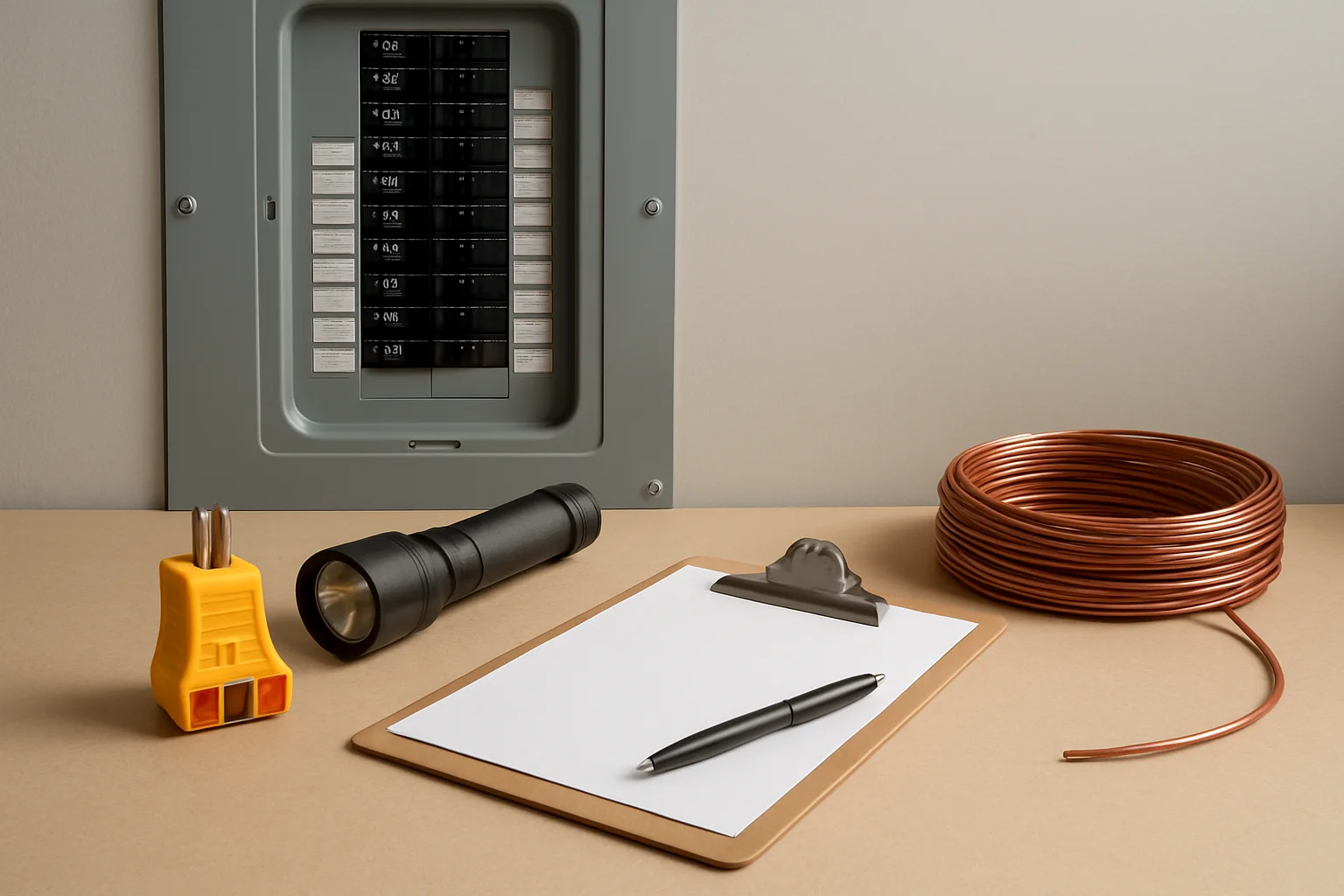
Why a proactive electrical plan matters in Northwest Florida
Electrical systems rarely fail all at once. More often, they send small signals first: a light that flickers, a breaker that trips more often than it used to, an outlet that feels warm, or a panel that looks older than the home’s current demands. In Northwest Florida, where humidity, salt air in coastal areas, frequent storms, and seasonal cooling loads all affect electrical equipment, a proactive plan helps homeowners stay ahead of nuisance issues and larger safety concerns. Planning professional electrical service is not about waiting for a crisis. It is about understanding what your home needs, recognizing when conditions change, and scheduling help before a small issue becomes disruptive or hazardous.
In Bay, Walton, and Okaloosa counties, homes may face a mix of older construction, additions, remodels, outdoor living upgrades, and high air-conditioning demand. That combination makes electrical systems work harder and, in some cases, more unevenly than intended. A sound maintenance approach starts with awareness: know where your main panel is, what circuits serve major appliances, and whether recent renovations were matched with electrical updates. If you own a home in this region, a thoughtful service plan can support comfort, protect appliances, and improve day-to-day reliability without requiring any risky DIY work. For homeowners seeking help, 850 Electrical, part of veteran-owned A Superior Mechanical, serves Bay, Walton and Okaloosa counties FL. Phone 850-258-3225.
How weather and environment influence electrical wear
Northwest Florida’s climate can be tough on electrical components. Moisture can enter outdoor fixtures, panels, and connections if enclosures are aged, damaged, or improperly sealed. High humidity can accelerate corrosion in some metal parts, while salt air near the coast can contribute to faster deterioration of exposed equipment. Storm season also adds stress through power interruptions, voltage fluctuations, and the temptation to rely on portable generators or temporary power arrangements. Even when equipment seems to recover after an outage, repeated exposure to these conditions can shorten the life of components over time.
Temperature swings and heavy air-conditioning use are another part of the picture. Cooling systems draw significant power, especially during long hot seasons, and that load may reveal weaknesses in older wiring, loose connections, or an undersized panel. Outdoor amenities such as pool equipment, landscape lighting, outdoor kitchens, and detached structures also add complexity. When a home’s electrical demand grows but the system does not, warning signs may appear slowly. A professional assessment can identify whether the equipment is simply aging, whether moisture or corrosion is present, or whether the home now needs a more capable electrical arrangement to support everyday use safely and consistently.
Warning signs homeowners should never ignore
Many electrical issues announce themselves before they become urgent. Frequent breaker trips are one of the most common signs, especially if they occur when multiple appliances run at the same time. Flickering or dimming lights can indicate loose connections, overloaded circuits, or issues with a fixture or switch. If an outlet, switch plate, or breaker panel feels warm, that is a concern that should be evaluated. Buzzing, crackling, or popping sounds from electrical devices are not normal household background noise and can suggest wiring or component problems. A burning smell, even if faint or intermittent, deserves prompt attention because it may point to overheating insulation, damaged equipment, or arcing.
There are also signs that often get overlooked. Discoloration around outlets or switches, a visible scorch mark, or a faceplate that is cracked or warped can indicate heat or moisture damage. An outlet that no longer grips plugs securely, or one that works inconsistently, may be worn internally. If a whole section of the house loses power while the breaker appears normal, the issue may not be the appliance at all. In older homes, two-prong outlets, missing grounding, or outdated panel components can also be clues that the system needs review. None of these signs should be dismissed as “just the house settling” or “normal for an older home.” A licensed professional can determine whether the issue is minor, localized, or a symptom of a broader system concern.
Questions to ask before scheduling electrical service
When you contact an electrical contractor, asking clear questions helps you make a safer and more informed decision. Start with the basics: what kind of service do you provide for homes like mine, and how do you approach troubleshooting versus upgrading? It is reasonable to ask whether the electrician is licensed and insured, and whether they regularly handle the type of work your home needs, such as panel concerns, lighting issues, outlet problems, surge protection, generator-related questions, or storm-related repairs. You can also ask how the evaluation will be performed and what information you should gather beforehand, such as which rooms are affected, when the issue started, and whether it happens under certain conditions.
Homeowners should also ask about communication and scope. For example: what findings will you explain after the assessment, and how will you help me understand the difference between an immediate safety issue, a maintenance item, and an upgrade recommendation? Ask whether the service visit includes checking related components or only the specific problem area. If your home has had renovations, detached structures, or added outdoor features, mention them. It is also helpful to ask how emergency situations are handled, what safety steps you should take while waiting for service, and whether there are items you would prefer a homeowner not attempt to use until the issue is resolved. A thoughtful contractor should welcome these questions and answer them in plain language.
What a professional electrical assessment should include
A professional electrical assessment is more than a quick glance at a breaker that tripped. Depending on the issue and the home’s age, the electrician may review the main panel, visible branch circuits, outlets, switches, fixtures, grounding and bonding components, and signs of moisture intrusion or corrosion. In homes with recurring problems, the assessment may also involve identifying which devices are on each circuit and whether the current demand matches the system’s capacity. A good assessment should connect the symptom to the likely cause rather than treating every issue as a stand-alone event.
For homeowners, the goal is understanding, not guesswork. A technician should be able to explain what was found, why it matters, and what options exist to address it. Sometimes the answer is straightforward, such as replacing a worn receptacle or correcting a loose connection. In other cases, the issue may involve an outdated panel, improper circuit loading, or equipment that is no longer a good fit for the home’s needs. In Northwest Florida, a professional may also check for weather-related wear, outdoor enclosure condition, and the impact of recent storms or moisture exposure. The value of a professional assessment is that it looks at the whole system, not just the most visible symptom.
Understanding panel age, capacity, and load demands
The electrical panel is often the center of homeowner concerns, but it is not just a metal box with switches. It is the distribution point for the entire home, and its condition influences safety and reliability. As homes age, the original panel may still function, yet no longer match the number of circuits or appliances a family uses today. A home built with different lifestyle assumptions may now support large televisions, office equipment, electric cooking appliances, higher cooling loads, hot tubs, workshop tools, charging equipment, or expanded outdoor living spaces. When demand grows faster than the electrical system, the panel may show signs of stress through frequent trips, heat, or limitations on how many devices can operate at once.
A professional assessment can help determine whether the issue is a simple circuit problem, a panel that needs maintenance, or a system that should be upgraded. Homeowners should never assume that because the lights still come on, the panel is automatically adequate for modern needs. Capacity is not only about total power but also about how that power is distributed. A licensed electrician can review the existing arrangement, consider whether the home has been remodeled or expanded, and identify whether the current service supports the way the house is actually used. That kind of assessment is especially helpful in Florida homes where air conditioning, dehumidification, and seasonal storms place added demand on the system.
Outlets, switches, and fixtures: small parts that reveal bigger issues
Outlets, switches, and fixtures are easy to overlook because they are small and familiar. But these components often provide early clues about the health of a home’s electrical system. A loose outlet that no longer holds plugs securely may simply need replacement, or it may indicate wear in the wiring connection behind it. A switch that feels hot, makes noise, or works intermittently should not be ignored. Ceiling fixtures that flicker after bulb replacement or ceiling fans that behave unpredictably can point to connection problems, device wear, or a circuit that is carrying more than it should. These are common homeowner complaints, but they deserve a professional review rather than repeated guesswork.
In kitchens, bathrooms, laundry areas, garages, and outdoor spaces, the stakes can be even higher because these locations often combine electricity with moisture, dust, or appliance-heavy use. A GFCI or similar protective device that trips repeatedly may be trying to tell you something about the connected load or a fault condition. Rather than treating that as an annoyance, homeowners should view it as a prompt for a professional evaluation. A licensed electrician can determine whether the device itself is defective, whether the connected equipment is the issue, or whether the circuit layout needs improvement. Small components often reveal the bigger story of the home’s electrical condition, which is why they matter so much in a maintenance plan.
Storm season, outages, and post-weather checks
Northwest Florida homeowners know that storms can interrupt power in more ways than one. Even when a home avoids obvious damage, an outage, surge, or repeated flicker during severe weather may leave behind hidden issues. After a storm, it is wise to pay attention to whether specific circuits behave differently, whether the panel shows any visible signs of moisture, or whether outdoor lights and outlets have changed in performance. These observations do not replace a professional inspection, but they can help an electrician narrow down the source of trouble. If you notice burning odors, repeated breaker trips, or damaged exterior equipment, it is time to stop using the affected area and request professional service.
Outage recovery can also reveal weak points in the electrical system. Sometimes a device that was already aging fails after power is restored. Sometimes a surge protector or other component did its job, but you now need a professional to verify the rest of the system. It is important not to reset breakers repeatedly or force equipment back into service if the cause is unknown. A careful post-weather check from a licensed electrician can help identify whether the home needs repair, protective upgrades, or a better long-term strategy for storm resilience. In a region where weather is a recurring part of life, planning for recovery is just as important as planning for normal use.
Lighting, energy use, and comfort in the modern home
Many homeowners start thinking about electrical service when lighting begins to feel outdated, inefficient, or insufficient. Interior and exterior lighting has a direct effect on comfort, safety, and how a home functions day to day. If rooms feel dim, switches do not behave as expected, or outdoor areas are poorly lit, the issue may not just be the bulb choice. It could involve fixture placement, wiring age, circuit load, or compatibility with modern controls. A professional can help evaluate whether current lighting serves the home well and whether changes should be made to improve reliability and convenience without overloading existing circuits.
Energy use is another reason homeowners seek electrical service. In hot climates, lighting may be only one part of the load, but efficient and appropriately designed systems still matter. The goal is not simply to reduce wattage at all costs. It is to ensure the home’s electrical system supports its real use patterns safely and efficiently. A professional assessment can help distinguish between cosmetic updates and necessary electrical corrections. For example, a homeowner may want better outdoor illumination, but the underlying concern might be an aging fixture, damaged wiring, or a circuit that is already near its practical limit. Good planning accounts for both the visible result and the electrical infrastructure behind it.
What homeowners can safely do and what to leave to a professional
A safe homeowner maintenance plan starts with boundaries. Homeowners can visually inspect outlets, switches, cords, and visible fixtures for obvious damage. They can also note when problems occur, such as after rain, during high AC use, or when certain appliances are running. Keeping a simple record of symptoms helps a technician diagnose the issue more efficiently. It is also reasonable to keep the area around the main panel accessible and to know which breaker controls major appliances in case a licensed professional instructs you to shut something off. These are useful habits that support safety without crossing into hazardous work.
What should remain with a professional includes opening energized equipment, replacing panels, modifying wiring, working inside junction boxes, or troubleshooting anything that shows heat, smoke, burning odor, repeated tripping, or signs of water intrusion. Homeowners should not ignore their instincts if something seems wrong, and they should not rely on repeated resets or makeshift fixes. Electrical systems can behave unpredictably when damaged or overloaded. A professional electrician has the training and tools to test circuits safely, identify hidden faults, and confirm whether a repair or upgrade is appropriate. The safest homeowner role is observation, documentation, and prompt scheduling of service when signs point to a problem.
A practical seasonal maintenance plan for Northwest Florida homes
A homeowner maintenance plan does not need to be complicated to be effective. At least seasonally, walk through the home and note any electrical changes: new flickering, outlets that feel warm, fixtures that behave inconsistently, or breakers that trip more often. Before periods of heavy cooling use, pay attention to whether the system seems strained. Before storm season, make sure you know how to reach your electrician, where key electrical equipment is located, and whether the exterior of the home shows any signs of deterioration around outlets, fixtures, or enclosures. If you have recently added appliances, outdoor lighting, or another major load, that is a good time to schedule an assessment rather than waiting for a fault.
Another helpful habit is to treat renovations and life changes as triggers for electrical review. A room conversion, home office setup, appliance replacement, or outdoor living project can alter electrical demand in ways that are not immediately obvious. A professional can evaluate whether the existing system still fits the home’s needs. In a coastal and storm-prone region, annual or periodic checks are especially useful because wear can develop slowly. The point of the plan is consistency: observe, document, and schedule service before minor concerns become emergencies. That approach helps protect comfort, equipment, and peace of mind throughout the year.
Choosing the right local electrical partner
When selecting an electrical contractor, homeowners benefit from choosing a company that understands local conditions and takes a clear, professional approach. Look for a contractor who explains findings in plain language, respects safety boundaries, and is willing to discuss both immediate repairs and long-term planning. Local familiarity matters in Northwest Florida because the combination of weather, humidity, and common housing patterns shapes the kinds of issues homeowners encounter. A good electrical partner should make it easier to understand your home rather than leaving you with vague answers or unnecessary alarm.
For homeowners in Bay, Walton, and Okaloosa counties, 850 Electrical, part of veteran-owned A Superior Mechanical, serves Bay, Walton and Okaloosa counties FL. Phone 850-258-3225. Whether the concern is a warning sign that needs prompt evaluation or a maintenance plan for the months ahead, the right professional can help you make informed decisions without guesswork. The most valuable service is not just fixing one problem; it is helping you understand the condition of your home’s electrical system and how to keep it safe, functional, and ready for everyday life in Northwest Florida.
Explore related electrical care
- 24 Hour Emergency Electrical Service
- Smart Electrical Panel Installation
- Smart Home Integration
- Specialty & Smart Electrical Services
- Battery Backup Systems
- Ceiling Fan Services
Continue reading
- Warning Signs and Professional Diagnosis for Specialty and Smart Electrical Services in Northwest Florida Homes
- Smart Electrical Panel Installation: Warning Signs and Professional Diagnosis for Northwest Florida Homeowners
- 24-Hour Emergency Electrical Service: Warning Signs and Professional Diagnosis for Northwest Florida Homeowners
Talk with the 850 Electrical team for help with your home or business.