
Why Specialty and Smart Electrical Problems Need a Different Kind of Attention
Many homeowners think of electrical service as a single category, but specialty and smart systems create their own set of concerns. In a modern home, the electrical network may support lighting controls, whole-home surge protection, EV chargers, dedicated appliance circuits, pool and spa equipment, standby generators, landscape lighting, and connected devices that depend on stable power. When one of these systems starts acting up, the issue can be hard to spot because the symptoms may appear far from the source. A dimming light, a tripped breaker, or a thermostat that seems unreliable may point to a deeper wiring, load, or control problem that deserves a professional diagnosis rather than guesswork.
In Northwest Florida, homes also face conditions that can complicate electrical performance, including humidity, salt air near the coast, summer storm activity, and heavy seasonal use of cooling equipment. Specialty systems often run under demanding conditions, and smart devices may reveal underlying weaknesses in older wiring or overloaded circuits that were not obvious before. A professional assessment helps identify whether the concern is a simple device issue, a circuit capacity problem, or a larger electrical safety matter. For homeowners in Bay, Walton, and Okaloosa counties, understanding the difference can save time, reduce stress, and support safer decisions about repairs or upgrades. 850 Electrical, part of veteran-owned A Superior Mechanical, serves this region with diagnostic service designed to sort out symptoms before they turn into recurring trouble.
Signs Your Home May Need Electrical Diagnosis Instead of a Quick Reset
A reset can clear a temporary hiccup, but repeated electrical symptoms usually deserve a closer look. Common warning signs include breakers that trip more often than expected, lights that flicker or dim when appliances start, outlets that feel unusually warm, switches that make buzzing or crackling sounds, and smart controls that lose connection repeatedly. If a circuit works normally most of the time and then suddenly becomes unstable, the issue may be tied to load demand, loose terminations, device wear, or a problem hidden in the wiring path. These are not symptoms to ignore simply because they appear and disappear. Intermittent electrical issues often become more noticeable during periods of high usage, such as hot afternoons when cooling systems are working harder.
Another clue is when one home system affects another in a way that seems unrelated. For example, a kitchen appliance may cause lights in another room to dip, or a smart lock may behave oddly after a power fluctuation. That kind of pattern can signal electrical imbalance, an undersized circuit, or equipment that needs dedicated support. Homeowners sometimes assume the smart device itself is defective, but the real problem may be at the breaker panel, the circuit load, or the connection between devices and power quality. A professional diagnosis helps determine whether the issue is electrical, electronic, or both. Careful testing can uncover conditions that a visual check alone would miss, especially in homes with mixed ages of wiring and newer specialty equipment layered onto older systems.
Breaker Tripping, Warm Panels, and What They Can Mean
Breaker tripping is one of the most common signs that a home electrical system is under stress, but the cause is not always obvious. A breaker may trip because a circuit is overloaded, because a device is failing, because there is a loose connection, or because the breaker itself has worn out. In specialty and smart system homes, the cause can be more complex because one circuit may serve multiple control devices, communication modules, or high-demand loads. If a breaker trips occasionally during rare peak use, it may still be a sign that the circuit is at or near its safe operating limit. If it trips repeatedly, that is a stronger signal that the circuit needs professional evaluation.
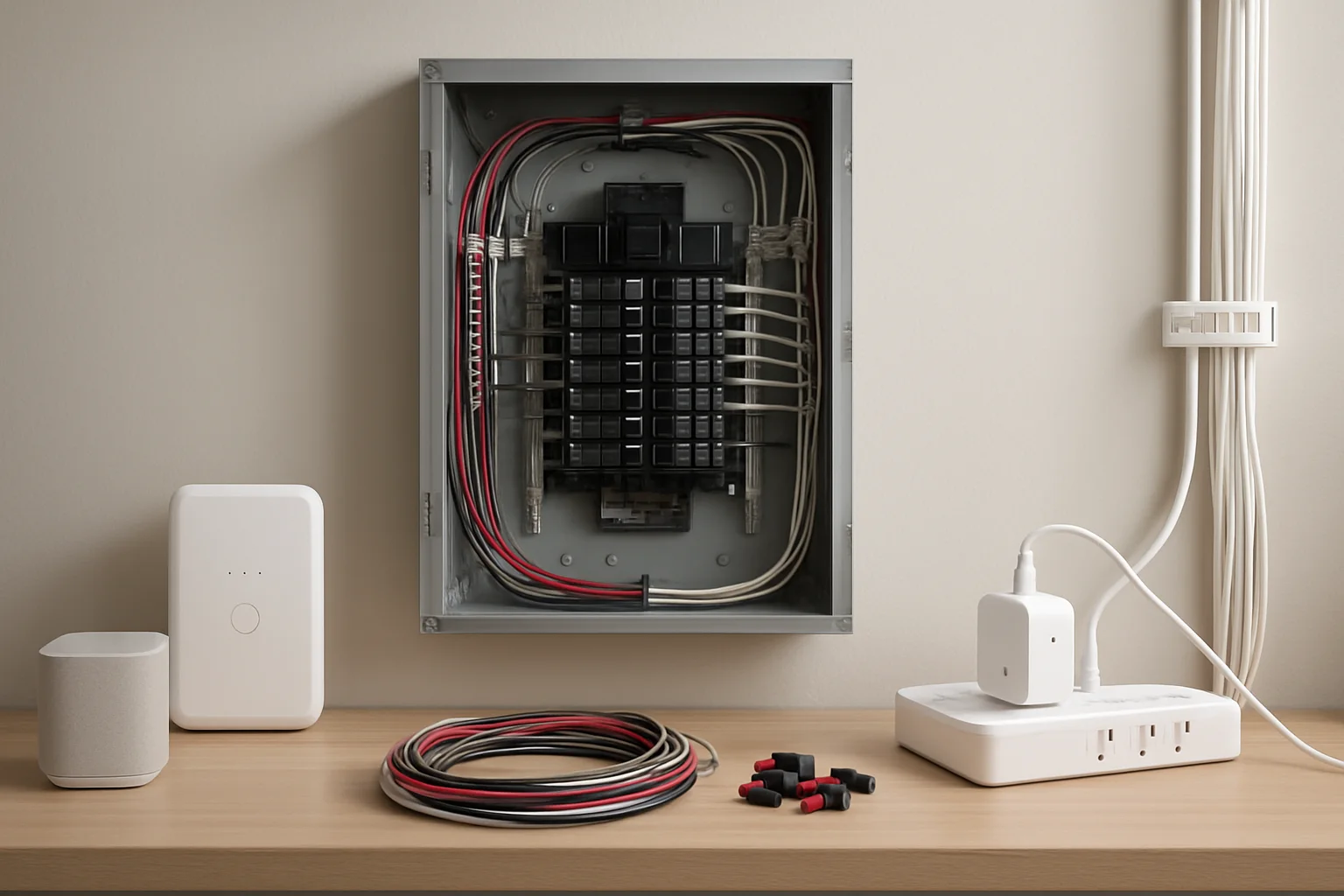
A warm electrical panel, or a panel with a cover that feels hotter than expected, should also be taken seriously. Heat can come from excessive load, poor connections, aging components, or equipment that is not handling demand properly. A homeowner should not remove the panel cover or attempt internal inspection. Professional electricians use tools and procedures designed to evaluate load, connection integrity, and component condition without exposing anyone to dangerous live parts. They can also determine whether the solution is a circuit correction, a panel repair, a load redistribution, or a more targeted upgrade. In homes with smart systems, a stable panel is especially important because sensitive devices can behave unpredictably when power quality is poor. Reliable diagnosis starts by finding whether the problem is isolated or systemwide, then narrowing down the source with safe, methodical testing.
When Lights Flicker, Dim, or Change Color Unexpectedly
Flickering lights do not always mean a bulb is failing. In many homes, especially those with multiple smart fixtures or dimmer controls, flicker can point to wiring issues, incompatible controls, loose connections, or voltage fluctuations. A light that dims when a major appliance starts may indicate normal load change, but if the dimming is pronounced or happens often, it may mean the circuit is stretched too thin or has a connection issue somewhere in the line. Smart lighting can be especially revealing because connected fixtures may respond more noticeably to instability than older incandescent setups ever did. Color shifts, delayed response, or lamps that behave differently from one room to another may all be clues rather than random annoyances.
Professional diagnosis looks beyond the fixture itself and into the circuit feeding it. An electrician may check whether the dimmer is compatible with the fixture type, whether the neutral connection is secure, whether the load is shared with equipment that causes interference, and whether the panel is delivering steady power. This matters because replacing a bulb or swappping a smart switch without checking the underlying wiring may not solve the problem. In some cases, the issue might be as simple as a device mismatch. In others, it may signal a loose conductor or a circuit layout that no longer matches the home’s current electrical demand. For homeowners in coastal and inland parts of Northwest Florida, flickering should be treated as an early warning rather than a cosmetic issue. It often provides one of the first visible signs that a system needs expert attention.
Smart Devices That Keep Disconnecting or Behaving Unpredictably
Smart home devices are convenient, but they depend on both electrical stability and network reliability. If a smart switch drops offline repeatedly, a thermostat loses settings, a doorbell becomes unresponsive, or an outlet stops following its app commands, the cause may not be the device alone. Problems can stem from unstable power, weak wiring connections, overloaded circuits, interference, or installation issues that only show up under regular use. Homeowners often focus on the wireless side of smart devices, but electrical supply problems are just as important. A device that fails when the power fluctuates may be revealing a larger issue in the home’s electrical infrastructure.
Professional diagnosis is valuable because it can separate connectivity problems from electrical ones. A trained electrician can determine whether the device is receiving the correct power, whether the circuit is appropriate for the load, whether the wiring supports the smart system’s requirements, and whether the panel or branch circuit needs correction. This is especially helpful in homes that have added smart features over time without a full review of capacity and compatibility. In many cases, what appears to be a “smart device problem” is actually an electrical design issue. Rather than repeatedly resetting equipment, homeowners benefit from a clear explanation of what the system is doing and why. That understanding makes it easier to decide whether a device needs replacement, a circuit needs rework, or a broader electrical update would improve reliability throughout the home.
Dedicated Circuits and Specialty Equipment: When the Home Feels Overloaded
Specialty appliances and equipment often require dedicated circuits because they draw steady or significant power. Examples can include EV chargers, pool pumps, spas, refrigerators, ovens, microwaves, washers, dryers, garage equipment, and some heating or cooling accessories. When these loads share circuits that were not intended for them, homeowners may notice nuisance tripping, poor performance, or strange interactions between devices. A home can seem fine during normal use and then struggle when several systems run together. That is why an electrical problem may only appear during certain times of day or during seasonal peaks. In Northwest Florida, cooling demands can make this more noticeable, since summer operation can push the electrical system harder than a mild season would.
A professional assessment helps determine whether a load truly needs its own circuit, whether an existing circuit is sized appropriately, or whether a distribution issue is creating the appearance of overload. This is not just about convenience; it is about system compatibility and safety. An electrician can review how the equipment is connected, how much demand the circuit is carrying, and whether the branch wiring and protection devices match the equipment’s needs. Homeowners should avoid using symptoms alone to decide that an appliance is the culprit. Sometimes the equipment is functioning properly and the circuit is the real issue. Other times, a failing appliance creates irregular demand that stresses the circuit. Sorting that out accurately is one reason a professional diagnosis matters more than trial and error when specialty equipment is involved.
Panel Age, Capacity, and Why New Technology Can Expose Old Weaknesses
A home electrical panel can support daily life for many years, but it does not remain unchanged forever. As homeowners add smart devices, upgraded appliances, new HVAC accessories, or outdoor electrical features, the panel may be asked to support more than it was originally designed for. Older panels may not have the space, capacity, or flexibility needed for today’s mix of loads. Even if the home appears to function normally, the system may be operating close to its practical limits. This is often when warning signs begin to surface: recurring tripping, inconsistent voltage behavior, limited breaker space, or equipment that seems more sensitive than it should be.
A professional electrician can evaluate more than the panel’s age alone. They can assess the condition of breakers, conductor terminations, available capacity, load distribution, and signs of overheating or wear. In some homes, the panel may still be serviceable but need correction or better organization. In others, the panel may be part of a broader modernization plan that supports future electrical needs more reliably. Smart systems make this assessment more important because they often introduce devices that depend on clean, steady power and proper circuit separation. A homeowner may notice the problem first through devices and lighting, but the root cause may be the panel’s ability to support modern demand. Professional diagnosis provides a grounded answer instead of a guess, helping homeowners plan realistic next steps based on the actual condition of the system.
Outdoor Electrical Systems and Weather-Related Warning Signs
Northwest Florida weather can put outdoor electrical equipment through a lot. Landscape lighting, outlets, pool and spa components, exterior fans, gate controls, and outdoor smart features must all withstand heat, humidity, rain, and storm-driven power changes. When these systems start behaving oddly, the cause may be moisture intrusion, corrosion, damaged fittings, or protection equipment that is no longer doing its job effectively. A light that fails after a storm, an outdoor outlet that stops working, or a control box that behaves inconsistently can all be signs that the issue is more than a simple device failure. Because exterior systems are exposed to the elements, small problems may grow quickly if they are not diagnosed properly.
Homeowners should be especially cautious around outdoor equipment that shows discoloration, rust, tripped protection, or repeated failure after wet weather. These clues can indicate that water has found a path into a connection point or enclosure. Professional electricians can inspect the equipment placement, wiring condition, protection devices, and enclosure integrity without putting the homeowner at risk. They can also determine whether the issue is localized or part of a broader pattern tied to storm exposure or aging components. For homes in Bay, Walton, and Okaloosa counties, outdoor systems are not minor accessories; they are important parts of daily comfort and safety. A professional assessment helps ensure those systems are functioning as intended and not quietly developing problems that become more serious during the next period of heavy rain or seasonal weather stress.
What a Professional Electrical Diagnosis Usually Involves
A professional electrical diagnosis starts with a conversation. The electrician will typically ask what symptoms you have noticed, when they started, which rooms or devices are affected, and whether the problem changes at certain times of day or during specific weather conditions. This context helps narrow the field before any testing begins. Rather than treating every symptom as a separate problem, a trained electrician looks for patterns that connect them. For example, several issues may trace back to one circuit, one loose connection, or one overloaded section of the home. That kind of organized approach is difficult to achieve through trial and error at home, especially when smart devices add layers of complexity.
After the initial discussion, a professional assessment may include visual inspection, circuit testing, load evaluation, and checks for proper operation of connected devices. The goal is to identify the source of the issue without relying on guesses. Importantly, the homeowner does not need to understand every technical detail to benefit from the process. What matters is that the diagnosis explains what is happening, why it is happening, and what options are available. A good evaluation also considers whether the concern is urgent, whether it can be corrected with a targeted repair, or whether a larger system improvement would be more appropriate. This approach helps homeowners make informed decisions and avoids unnecessary replacements or repeated service calls for the same unresolved problem.
Why Guessing About Electrical Problems Can Cost More Later
Electrical issues often seem small at first. A flickering light, a tripped breaker, or a smart switch that occasionally drops offline may not feel urgent. But when these symptoms are ignored or treated as isolated annoyances, they can evolve into repeat service calls, damaged equipment, or more widespread system instability. Guessing can also lead homeowners to replace devices that were not actually the cause of the problem. In a smart home, that can become especially frustrating because one bad assumption may lead to several unnecessary purchases before the real source is found. Professional diagnosis reduces that uncertainty by starting with the electrical system itself rather than the symptom alone.
There is also a safety reason to avoid guesswork. Electrical issues that involve heat, moisture, repeated tripping, or unusual sounds can indicate conditions that should be assessed promptly by a qualified electrician. A homeowner may not be able to tell the difference between a failing device and a wiring problem hidden behind the wall. The risk is that an apparently minor issue may continue to worsen while being mistaken for normal wear. A professional can determine whether the concern is urgent, what scope of repair may be needed, and how to restore proper function without unnecessary disruption. For homeowners in Northwest Florida, the cost of waiting is often not just inconvenience; it can be lost time, repeated frustration, and avoidable stress when the system continues to underperform.
Preparing for a Service Visit Without Taking Risks
Homeowners can make a service visit more productive by gathering useful information before the electrician arrives. Write down what you observed, when it happens, which switches or devices are involved, and whether the issue changes with weather, appliance use, or time of day. If a breaker has tripped repeatedly, note which one it is and what was running at the time. If a smart device is acting up, record the symptoms rather than repeatedly resetting it right away. This kind of information helps the electrician trace the problem more quickly and can make the diagnosis more efficient. It is also helpful to know if the home has had recent changes, such as new appliances, new lighting, remodeling, or added smart features.
At the same time, homeowners should avoid unsafe experimentation. Do not remove panel covers, open electrical enclosures, or attempt to trace wiring inside walls or ceilings. Avoid repeatedly resetting breakers that trip for an unknown reason. Do not use outlets, switches, or fixtures that are sparking, hot, or making unusual sounds. The best preparation is observation, not intervention. A professional electrician can take it from there using the proper tools and methods. For families in Bay, Walton, and Okaloosa counties, that means less uncertainty and a safer path toward resolving the issue. Good notes from the homeowner paired with professional testing often lead to a clearer, faster diagnosis and a more practical solution.
How 850 Electrical Supports Northwest Florida Homeowners
When homeowners need help with specialty and smart electrical concerns, they often want two things at once: a clear explanation and a reliable fix. 850 Electrical, part of veteran-owned A Superior Mechanical, serves Bay, Walton, and Okaloosa counties with a focus on diagnosing electrical problems that affect everyday comfort and safety. That includes issues involving smart controls, specialty circuits, lighting problems, panels, outdoor systems, and equipment that does not behave the way it should. The value of professional service is not just in making a repair, but in identifying why the problem happened so the homeowner can make informed decisions about the next step.
An experienced diagnosis can help homeowners sort out whether the issue is isolated to one device, tied to an overloaded circuit, or connected to broader electrical system limitations. That matters in homes with modern convenience features because these systems often depend on more than one layer of proper electrical support. By focusing on the source of the problem, a professional electrician can help reduce repeat issues and bring the system back into better balance. Homeowners do not need to know every technical detail to benefit from the process. They need a clear, safe evaluation and straightforward guidance about what is happening in the home. For seasonal concerns, recurring symptoms, or unexplained smart device behavior, professional assessment is the most dependable way to move from uncertainty to a plan.
When to Reach Out for Help Right Away
Some electrical symptoms can wait for a scheduled visit, but others deserve prompt attention. Call for professional help sooner if you notice burning smells, visible scorching, repeated breaker trips, outlets or switches that feel hot, buzzing from the panel or walls, or electrical behavior that changes suddenly after a storm or power event. These signs can indicate a problem that should not be left to chance. If a smart device or specialty appliance is acting strangely at the same time as other electrical symptoms, that combination is especially worth evaluating. The issue may be broader than the device itself.
Even when the situation does not feel urgent, recurring patterns should be taken seriously. A home should not require constant resets, repeated breaker trips, or ongoing workarounds to function normally. Professional diagnosis helps determine whether the problem is a simple repair, a compatibility issue, or a sign that a larger update would improve the home’s electrical performance. For Northwest Florida homeowners, especially those balancing older systems with newer technology, timely evaluation can prevent small frustrations from becoming bigger disruptions. If your home is showing warning signs, reaching out to a qualified electrician is the safest and most practical next step. 850 Electrical can help homeowners in Bay, Walton, and Okaloosa counties identify the source of the issue and understand the options available for a dependable solution.
Explore related electrical care
- Specialty & Smart Electrical Services
- Smart Electrical Panel Installation
- Smart Home Integration
- 24 Hour Emergency Electrical Service
- Battery Backup Systems
- Ceiling Fan Services
Continue reading
- Smart Electrical Panel Installation: Warning Signs and Professional Diagnosis for Northwest Florida Homeowners
- Whole Home Surge Protection in Northwest Florida: Warning Signs, Risks, and Professional Diagnosis
- Kohler Generator Installation: Warning Signs and Professional Diagnosis for Northwest Florida Homeowners
Talk with the 850 Electrical team for help with your home or business.