
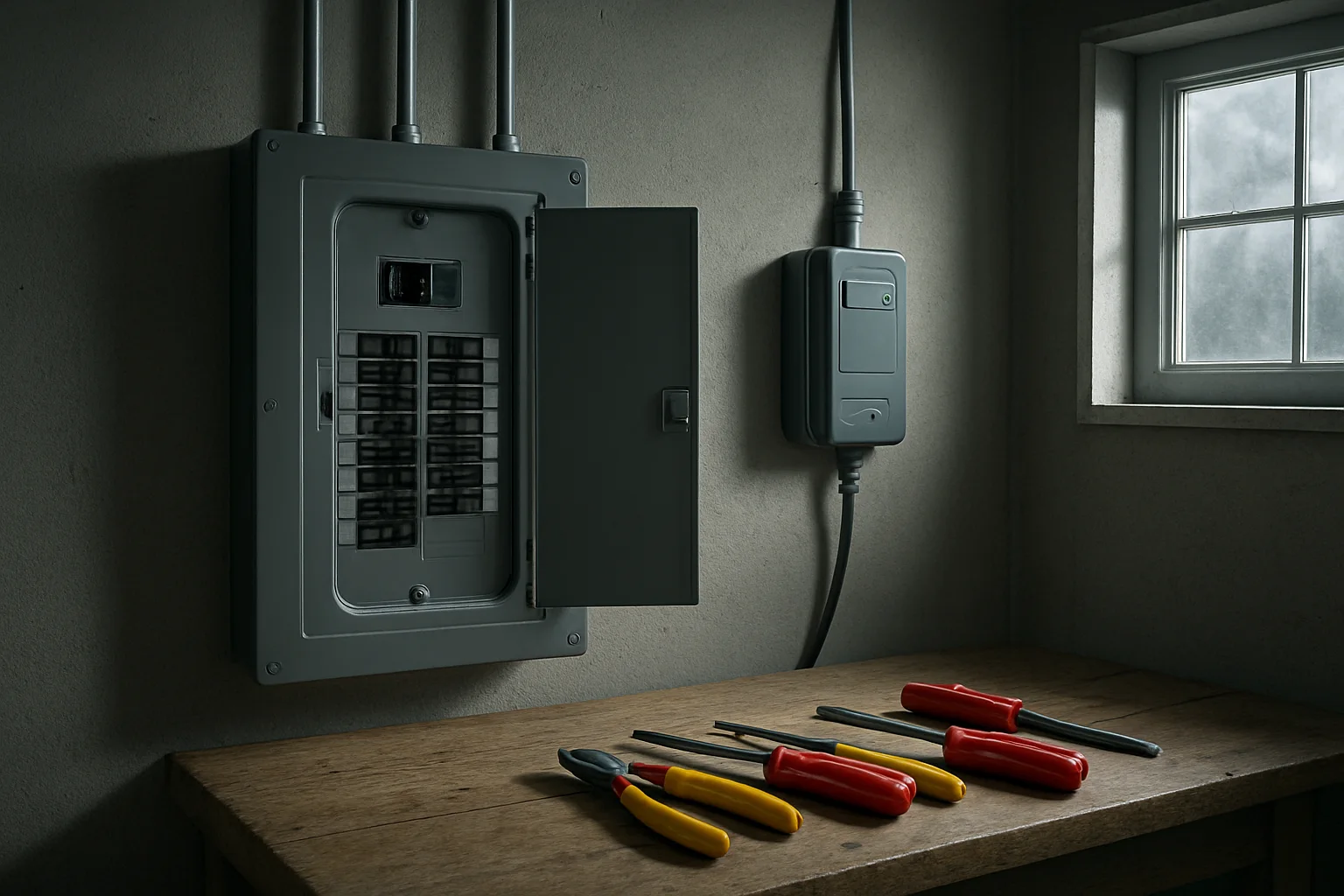
Why whole home surge protection matters in Northwest Florida
Northwest Florida homeowners live with a unique mix of electrical stressors. Summer thunderstorms, lightning activity, utility switching, and the heavy use of air conditioning can all contribute to voltage disturbances that affect a home’s electrical system. A whole home surge protector is designed to help reduce the impact of those sudden spikes before they reach sensitive appliances, electronics, and hardwired equipment. It is not a guarantee against every electrical problem, but it can be an important layer of protection in a region where storms and grid disturbances are part of everyday life.
Many homeowners first think about surge protection only after a television fails, a modem acts strangely, or a microwave no longer powers on after a storm. But by that point, the problem may already have traveled through multiple circuits and stressed other equipment that appears to be working normally. A professional assessment can help determine whether the home already has surge protection, whether it is functioning as intended, and whether the electrical panel and grounding system are ready to support it. For homeowners in Bay, Walton, and Okaloosa counties, this is especially relevant because severe weather can arrive quickly and repeatedly during the same season.
What a whole home surge protector does and does not do
A whole home surge protector is installed at or near the electrical service equipment and is intended to divert excess voltage away from the home’s branch circuits. When a surge occurs, the device provides a pathway for the extra energy to move away from connected loads, helping reduce the chance that appliances and electronics experience damaging voltage levels. This is different from a plug-in power strip, which only protects the items connected directly to that strip and does nothing for hardwired equipment such as HVAC components, garage door openers, well pumps, or large kitchen appliances.
It is also important to understand the limits of surge protection. No device can make a home completely immune to every electrical event, and no surge protector can correct unrelated wiring defects, overloaded circuits, or a failing breaker. A whole home surge protector is one part of a larger electrical safety picture that includes proper grounding, a serviceable panel, correctly sized breakers, and code-compliant wiring. A professional electrician can evaluate all of these pieces together so the surge protection strategy is matched to the home’s actual needs rather than treated as a one-size-fits-all add-on.
Common warning signs homeowners notice after surge events
Sometimes the signs of surge stress are obvious. A homeowner may notice a clock blinking, a microwave display resetting, a television that will not turn on, or internet equipment that begins dropping connection after a storm. Other times the clues are subtler. Light bulbs may fail more often than expected, a dishwasher may seem to restart unexpectedly, or a smart thermostat may lose settings and require repeated reconfiguration. These symptoms do not prove a surge problem by themselves, but they can point to electrical disturbances that deserve attention.
Another warning sign is recurring nuisance failures across multiple devices after weather events or utility interruptions. If several appliances begin misbehaving over time, the issue may be broader than one bad product. It could indicate that the home lacks adequate surge protection, that the grounding system needs attention, or that the electrical panel has already absorbed repeated stress. A professional diagnosis is helpful because it separates symptom from cause. An electrician can inspect the service equipment, review the home’s exposure, and determine whether the pattern suggests surge activity, wiring issues, loose connections, or another electrical concern entirely.
Storm season in Bay, Walton, and Okaloosa counties
Homes along the Florida Panhandle face a seasonal rhythm that makes surge protection especially relevant. Thunderstorms, tropical systems, and lightning can create sudden voltage changes that affect both the utility side and the home side of the electrical system. Even when lightning does not strike the home directly, nearby strikes and grid disturbances can send transient voltage through service equipment. That means surge risk is not limited to the most dramatic storm days; it can exist whenever the local electrical network is under strain.
This regional reality matters because many homes also contain more electronics than ever before. Refrigerators, HVAC systems, entertainment centers, garage equipment, chargers, smart home devices, and networking equipment all depend on stable power. When storms or switching events occur repeatedly throughout the season, the cumulative effect can be frustrating and costly. A whole home surge protection plan is best considered before the next storm arrives, not after damage has already occurred. Homeowners in coastal and inland neighborhoods alike can benefit from having an electrician review service conditions, especially if the house has older equipment or if the family has experienced unexplained device failures in the past.
Signs your home may already need a professional surge assessment
A surge assessment is worth considering if the home has experienced repeated electrical irregularities, especially after weather events or utility interruptions. Common clues include devices that need resetting often, entertainment systems that fail unexpectedly, garage door openers acting inconsistently, or HVAC controls that lose programmed settings. In some homes, repeated bulb burnout, tripped breakers, or brief but unexplained power interruptions can also prompt a closer look. These issues do not automatically confirm surge damage, but they are strong enough indicators to justify a professional evaluation.
A home may also need assessment if the electrical panel is older, if the property has had renovations that added new loads, or if the family now relies on more electronics than when the house was built. Surge protection works best when it is paired with a healthy electrical system, so an electrician should look at the panel condition, grounding and bonding, service capacity, and any visible signs of wear or heat. Homeowners should not try to diagnose these components by removing panel covers or testing live equipment themselves. A trained electrician can safely identify whether the warning signs point to surge stress, loose connections, equipment aging, or a combination of factors that deserve different solutions.
How a professional diagnosis is different from guesswork
A professional diagnosis begins with a whole-system review rather than a single symptom. If a homeowner reports that several devices failed after a storm, the electrician will typically evaluate the service entrance, panel condition, grounding system, and evidence of prior electrical stress. The goal is to determine whether the issue is consistent with a surge event, an underlying electrical defect, or a separate appliance problem. This matters because replacing a damaged device without identifying the source may leave the home vulnerable to the same issue again.
Guesswork can be costly in both directions. A homeowner may spend money replacing electronics unnecessarily, or may assume a surge protector is enough when the real issue is inadequate grounding or an aging panel. Professional diagnosis helps avoid those mistakes. It can also reveal whether the home would benefit from layered protection, such as a service entrance device paired with point-of-use protection for especially sensitive equipment. By basing recommendations on the actual electrical condition of the home, the electrician can provide a practical path forward instead of a generic sales pitch. That is particularly valuable in Northwest Florida, where weather exposure and utility disturbances can change the electrical risk profile from one season to the next.
What electricians look for during a surge protection inspection
During an inspection, a licensed electrician may examine whether the home already has a surge protective device in place and whether it is installed at the correct location in the electrical system. The condition of the panel, breaker layout, grounding electrode system, and visible wiring also matter. If the surge protector is present, the electrician will check whether it appears properly sized for the home’s service and whether any indication suggests it has reached the end of its effective life. Because surge devices are not permanent forever, their condition matters just as much as the fact that they exist.
The electrician may also ask about the home’s history. Have appliances failed after lightning? Has the utility service been interrupted recently? Do clocks reset often? Has the family noticed strange behavior in HVAC controls or electronics? These details help build a timeline and distinguish surge-related symptoms from ordinary device wear. A good inspection does not focus only on the surge protector itself; it looks at the entire electrical environment. That broader view is what makes professional assessment useful. It can uncover hidden weaknesses, such as grounding concerns or panel issues, that might otherwise remain unnoticed until the next storm or power disturbance arrives.
Grounding and bonding: the foundation of surge protection
Whole home surge protection depends on more than a device mounted in the panel. The home’s grounding and bonding system provides the path that helps direct excess energy away from sensitive circuits. If grounding is compromised, incomplete, or outdated, a surge protector may not perform as intended. That is why a surge conversation should always include the condition of the electrical service as a whole rather than focusing only on the protector itself. A home with questionable grounding may need corrective work before surge protection can be considered truly effective.
Because grounding and bonding involve the service equipment and main electrical paths in the home, they should be evaluated by a professional. Homeowners should not attempt to inspect or modify these systems themselves. What matters from a homeowner’s perspective is recognizing the importance of the foundation. If the home has experienced repeated electrical issues, or if the electrical service has not been reviewed in many years, a diagnosis can determine whether the grounding system supports the protection strategy. In areas with frequent storms, this foundation can make a meaningful difference in how the home responds to electrical disturbances and how well sensitive equipment is shielded from transient voltage.
Appliances and electronics that benefit from added protection
Some equipment is especially vulnerable to voltage spikes because it contains sensitive electronic controls or expensive components. HVAC systems, refrigerators, washers and dryers with electronic boards, water heaters with control modules, garage door openers, televisions, computers, routers, and smart-home devices can all be affected by surges. Hardwired systems such as well pumps and central air equipment are often overlooked because homeowners may assume a plug-in strip will cover the risk, but those loads typically need protection at the service level. A whole home surge protector helps address that broader exposure.
It is useful to think in terms of both replacement cost and inconvenience. A failed modem or router can disrupt work, school, and communication. A damaged HVAC control board can create discomfort in the hottest part of the year. A refrigerator board failure can create food loss and scheduling problems. While no protective device can eliminate every risk, whole home surge protection is part of a practical defense strategy for the equipment most people rely on every day. A professional can help prioritize the most vulnerable loads and explain whether the home would benefit from additional point-of-use protection in especially sensitive areas, such as a home office or entertainment room.
Why recurring breaker trips and flickering lights deserve attention
Breaker trips and flickering lights are not the same thing as surge damage, but they should not be ignored, especially when they occur with other symptoms. Repeated tripping may indicate overloads, wiring issues, or a failing device. Flickering lights can be caused by loose connections, voltage fluctuations, or other service-related problems. In some homes, homeowners notice these issues after storms and assume everything is due to the weather, when in fact the electrical system may have a separate underlying concern that needs correction. A surge conversation should never replace a broader safety review.
A professional electrician can determine whether the symptoms are isolated or part of a larger pattern. This is especially important because some electrical issues can mimic the signs of surge stress. For example, a device that resets could be responding to a brief interruption, a loose neutral, or a damaged component. Without evaluation, it is easy to misread the warning signs. An electrician can inspect the panel, test circuits as appropriate, and review the service history to identify the likely cause. That approach leads to better protection planning and helps homeowners avoid buying equipment for a problem that actually needs repair instead of protection.
Choosing the right surge protection approach for your home
There is no single protection setup that fits every home. The right solution depends on the home’s size, age, electrical condition, number of sensitive devices, and storm exposure. Some homes may benefit from a service entrance surge protector alone, while others may need a layered approach that combines panel-level protection with additional plug-in devices for especially sensitive electronics. The key is to match the protection strategy to the actual risk and the electrical system that supports it. That is why a one-time conversation with an electrician can be more valuable than guessing at a hardware-store solution.
A good approach starts with diagnosis. If the panel is healthy and grounding is adequate, the electrician can recommend a protection level that fits the home’s layout. If the panel is outdated, the grounding system needs attention, or the home has experienced repeated equipment failures, those conditions may influence what should be installed and in what order. The best surge protection plan is not just about buying a device; it is about making sure the home’s electrical system can support the device effectively. Homeowners in Northwest Florida may find this especially helpful because the region’s weather can quickly expose weak points that were easy to miss during calmer seasons.
When to schedule service and what to expect from A Superior Mechanical
Homeowners should consider scheduling a professional surge protection assessment when they notice recurring electrical oddities, after a major storm, or before the next active weather season begins. It is also a smart step if the home has older electrical service, newly added appliances, or sensitive electronics that are important to daily life. The purpose of the visit is not only to determine whether surge protection is needed, but also to understand whether the current electrical setup is ready to support it. That broader review helps prevent misunderstandings and ensures recommendations are tailored to the home rather than based on assumptions.
850 Electrical, part of veteran-owned A Superior Mechanical, serves homeowners throughout Bay, Walton, and Okaloosa counties, FL. A professional assessment can help identify warning signs, review the condition of the panel and grounding system, and discuss whether whole home surge protection is appropriate for the property. Homeowners can call 850-258-3225 to schedule service and ask questions about what the evaluation includes. Because this is an evergreen educational resource prepared now, the seasonal archive date simply reflects topical coverage and not a publication claim. The practical takeaway is simple: if storms, resets, or equipment failures have made you wonder about surge risk, a professional diagnosis is the safest and most reliable next step.
Explore related electrical care
- Whole Home Surge Protection
- Whole Home Backup Solutions
- Whole Home Rewiring
- Home Theater & AV Wiring
- Smart Home Integration
- 24 Hour Emergency Electrical Service
Continue reading
- Whole Home Rewiring Warning Signs Northwest Florida Homeowners Should Know
- Whole-Home Backup Power Warning Signs Northwest Florida Homeowners Should Not Ignore
- Warning Signs and Professional Diagnosis for Specialty and Smart Electrical Services in Northwest Florida Homes
Talk with the 850 Electrical team for help with your home or business.