
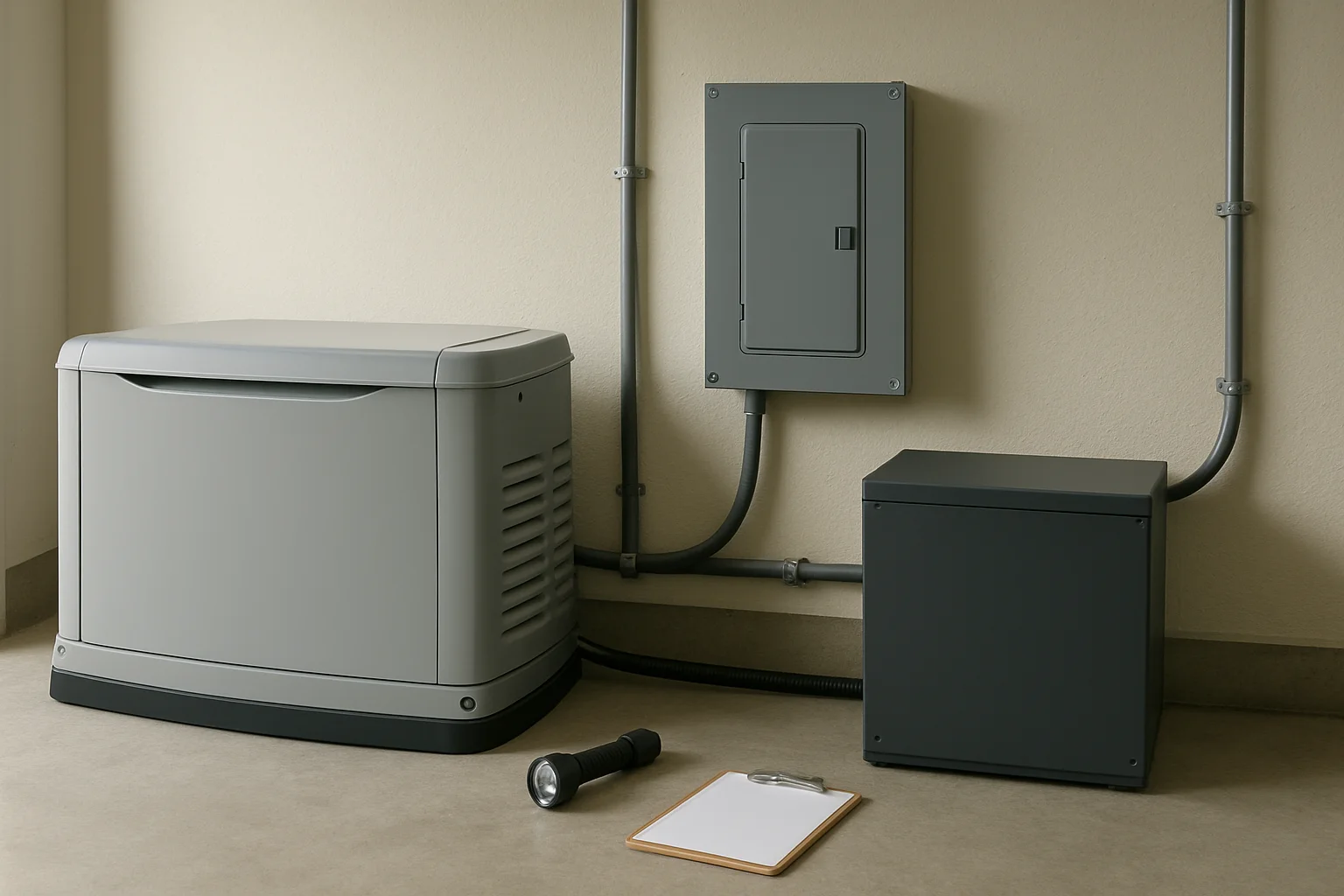
Why Whole-Home Backup Power Matters in Northwest Florida
In Bay, Walton, and Okaloosa counties, backup power is not just a comfort upgrade. It is a practical way to keep essential systems running when storms, utility interruptions, or equipment failures leave a home without normal service. In a region where weather can change quickly and where many homes rely on electrical systems for cooling, refrigeration, well pumps, internet access, medical devices, and security equipment, backup planning deserves a serious look. A whole-home backup solution is designed to support more of the house than a small portable generator, but it still has to be matched carefully to the home’s actual electrical needs.
That is where professional evaluation matters. A backup system that is too small may start but struggle under load, causing inconvenient shutdowns or repeated breaker trips. A system that is oversized or poorly integrated can waste money and still fail to deliver the reliability homeowners expect. Homeowners often notice symptoms first, such as lights dimming more than expected during outage transfer, appliances behaving inconsistently, or a generator that sounds strained when several loads are active. Those signs do not always point to one simple fix. They are clues that a trained electrician or generator professional should inspect the electrical system, the transfer equipment, the load profile, and the condition of the backup source itself.
A Whole-Home Backup System Is More Than a Generator
Many homeowners use the phrase whole-home backup power to mean any system that keeps the house running during an outage, but a complete setup usually includes several parts working together. Depending on the property, that may include a standby generator or battery-based system, an automatic transfer switch or similar transfer equipment, load management components, a fuel supply or battery bank, and the wiring that ties everything into the home’s electrical panel. If any one part is mismatched or poorly maintained, the entire system may underperform. That is why a visible power source alone does not guarantee dependable backup.
It is also important to recognize that different homes need different strategies. A single-family home with electric heat, a pool pump, and multiple HVAC units has a very different backup profile than a smaller home that only needs refrigeration, lighting, internet, and one cooling circuit. Professional diagnosis begins with understanding which loads must stay on, which can be shed during an outage, and which may require sequencing so the system starts smoothly. Homeowners sometimes assume they need the biggest possible solution, but a well-designed system is usually the one that fits the house’s real use pattern. An assessment should evaluate how the home operates on an ordinary day, not just during a rare emergency.
Warning Sign 1: Breakers Trip or Loads Drop During Outage Operation
One of the clearest signs of a backup system problem is when breakers trip, loads shut down unexpectedly, or the system cannot keep multiple essential circuits energized at once. This can happen with standby generators, battery systems, and transfer setups. A homeowner may notice the air conditioner dropping out when the refrigerator starts, or lights flickering before the system recovers. Sometimes the issue appears only when several major appliances run at the same time. That pattern usually suggests a load-capacity problem rather than a random electrical fault. In other cases, the root cause may be loose connections, a degraded transfer switch, or a control issue that prevents the system from distributing power properly.
Professional diagnosis looks beyond the symptom. An electrician will usually review the connected loads, inspect the panel and transfer equipment, and determine whether the backup source is being asked to do more than it can safely support. If the system is undersized, the solution may involve load balancing, load shedding, or redesigning the backup strategy so only truly necessary circuits are powered during an outage. If the system should have enough capacity but still trips, the problem may be with wiring, controls, or aging equipment. Homeowners should avoid repeated reset attempts without an evaluation, because repeated tripping can indicate stress on the equipment and may hide a developing issue that gets worse during a real emergency.
Warning Sign 2: Lights Dim, Flicker, or Behave Unevenly
Dim or flickering lights during generator or battery operation are easy to dismiss, but they often reveal more about the system than people realize. In a healthy backup setup, the transfer from utility to backup power should be stable enough that most household lighting appears normal, aside from brief transition effects. When lights pulse, flicker, or brighten and dim in noticeable waves, it can suggest the backup source is working too hard, voltage is unstable, or there is a wiring issue somewhere in the path. These symptoms may become more obvious when larger appliances start cycling on and off.
Professional assessment focuses on whether the voltage and load conditions are within the design range of the system. A backup source may be fine on paper but still show weak performance if the installation has connection problems, corrosion, aging conductors, or controls that are not coordinating properly. In coastal and storm-prone areas, moisture and environmental exposure can accelerate wear on outdoor equipment. A homeowner might notice lighting changes long before a complete failure, which is useful because it allows a professional to intervene while the issue is still manageable. The right fix is not guesswork. It could be as simple as tightening, cleaning, or replacing a worn component, or it could require a more substantial redesign if the system was never sized correctly for the home.
Warning Sign 3: HVAC Performance Is Inconsistent During Backup Use
In Northwest Florida, air conditioning is one of the most important electrical loads in the home. If backup power cannot support HVAC properly, homeowners often feel it quickly. Warning signs can include the air conditioner failing to start, blowing warm air, cycling off too soon, or drawing attention because the backup source sounds strained when the compressor engages. Sometimes the unit runs, but the home never reaches a comfortable temperature because the system is cycling under limited power. That is often a sign that the backup setup is not handling startup demand well, not simply that the HVAC equipment is defective.
A professional diagnosis should consider the compressor starting load, the system’s running load, the type of backup source, and whether any soft-start or load-management features are in place. The problem may not be the HVAC system alone. The electrical service, transfer equipment, and backup source capacity all affect whether the air conditioning can operate reliably. An evaluation can also reveal whether the homeowner expects full-house HVAC coverage when the system was actually designed for partial support. That mismatch is common and can lead to frustration during outages. A professional can explain which comfort expectations are realistic and whether the backup system should be adjusted to prioritize one cooling zone, critical bedrooms, or another load strategy that better suits the household.
When a backup system struggles with HVAC, homeowners should not keep testing it repeatedly in hopes it will eventually work. Repeated failed starts can create unnecessary wear and make an already stressed system less reliable. Instead, a trained technician can measure the electrical demand, inspect the transfer setup, and identify whether the issue is sizing, sequencing, maintenance, or a mechanical fault in the generator or battery equipment.
Warning Sign 4: The System Takes Too Long to Transfer or Recover
A whole-home backup solution should restore power in a reasonable and predictable way. If the home experiences a long delay before backup power comes online, or if the system takes unusually long to recover after a load change, that is a warning sign worth investigating. In some cases, homeowners notice a long pause between a utility outage and the moment lights or appliances come back on. In others, the system seems to surge, then hesitate, then stabilize. Delayed transfer or recovery can be normal within a narrow range depending on the equipment type, but a noticeable increase from the system’s usual behavior can indicate a developing issue.
Professional diagnosis looks at the transfer equipment, automatic starting controls, battery state of charge if applicable, fuel delivery for generator systems, and any alarms stored in the system. If the backup source is slow to engage, there may be battery degradation, control malfunction, maintenance needs, or a communication issue between components. Homeowners should not assume delay is harmless just because the power eventually returns. During a storm or utility event, even a moderate delay can interrupt refrigeration, security equipment, networking, or medical devices. A qualified electrician or generator technician can determine whether the transfer timing is acceptable for the home’s needs and whether the system is aging in a way that could create larger problems later. The goal is consistent, dependable restoration, not merely eventual restoration.
Warning Sign 5: Unusual Sounds, Smells, or Heat Around Equipment
Backup equipment should operate with a familiar sound pattern, not alarming noise, burning odor, or excessive heat. Homeowners may notice rattling, knocking, buzzing, repeated clicking, or a louder-than-normal hum from a generator, transfer switch, or battery cabinet area. A faint hot electrical smell, plastic odor, or signs of localized warming around panels and equipment are also reasons to pause and have the system checked. These symptoms can point to loose wiring, failing components, poor ventilation, overloaded circuits, or another condition that should not be ignored.
Because smell and heat can signal active electrical stress, the safest response is to stop relying on assumptions and arrange professional inspection promptly. A technician can determine whether the issue is mechanical, electrical, or environmental. For example, equipment installed in a hot, humid, or poorly ventilated area may struggle more than expected. In coastal Florida conditions, corrosion and moisture exposure can contribute to overheating or degraded contact points. Professional diagnosis may include thermal inspection, visual examination of connections, load testing, and review of the installation environment. The key point is that odd sounds and smells are not just inconveniences. They are often one of the earliest signs that a whole-home backup system needs attention before a small issue turns into an outage during the next severe weather event.
Warning Sign 6: The System Has Trouble Starting After Sitting Idle
Some backup systems seem fine until the first outage after a quiet period. Then the equipment hesitates, fails to start, or starts and shuts down again. This is a common warning sign for systems that need maintenance, battery replacement, software or control review, fuel system inspection, or general testing. Homeowners may not notice a problem when utility power is available, because the equipment is only occasionally called on. But the first real test often reveals whether the system is ready or merely installed. If the unit starts inconsistently after being idle, that should be treated as a reliability concern, not a minor nuisance.
A professional diagnosis can identify whether the issue is related to battery health, fuel quality, corroded connections, blocked airflow, stale controls, or general wear from environmental exposure. It may also uncover a mismatch between the homeowner’s expectations and the manufacturer’s or installer’s recommended maintenance schedule. A whole-home backup solution is only as dependable as its upkeep. Testing, inspection, and prompt correction of small issues help reduce the risk of a failure when the system is needed most. Homeowners should keep a simple record of any start failures, warning lights, alarms, or unusual behavior, because those details can help a technician narrow down the problem more quickly and accurately.
Warning Sign 7: The Backup System Cannot Support Today’s Electrical Demand
A home’s electrical load changes over time. Families add appliances, replace old equipment with more efficient or more complex models, install home offices, upgrade entertainment systems, or make comfort improvements that change how the house uses power. A backup system that once felt adequate may no longer match the home after those changes. One common warning sign is when the system used to handle the house comfortably but now struggles after a remodel or equipment upgrade. Another is when the homeowner simply assumes the backup setup still supports all critical loads, even though the panel has changed since the original installation.
Professional evaluation is the right way to verify whether the system still fits the home. An electrician can review the connected loads, panel configuration, start-up demand, and whether anything new has increased the peak electrical requirement. In some cases, the correct answer is not replacement but reconfiguration. A backup system may support the home well if certain loads are prioritized differently. In other cases, the installation may need expansion or modernization. This is one reason professional diagnosis is so important: it connects the system that exists today with the way the home is actually used today. Instead of relying on old assumptions, the homeowner gets a realistic picture of performance and options.
What Professional Diagnosis Usually Includes
A proper diagnostic visit should be more than a quick glance at the equipment. For a whole-home backup solution, a professional evaluation typically begins with a discussion of what the homeowner has noticed, when the problem appears, and which appliances or circuits are affected. The technician may then inspect the transfer equipment, backup source, wiring, panel connections, battery or fuel system, ventilation, and any visible signs of wear. Depending on the system type, they may test startup behavior, observe load response, and check whether any alarms or fault indicators are stored in the controls.
The goal is to separate symptoms from causes. A dim light or tripped breaker might be caused by sizing, but it might also reflect connection problems, component aging, or environmental damage. A professional can determine whether the home needs maintenance, a repair, a load adjustment, or a full redesign. This is especially helpful for homeowners who are unsure whether they need standby generation, battery backup, or a different combination of solutions. The right diagnosis turns a vague concern into a clear plan. It also helps homeowners understand what the system can safely do, what should be reserved for outage-only use, and what might need to be relocated, updated, or protected better against Florida weather conditions.
How to Prepare for a Service Visit Without Attempting Risky Repairs
Homeowners can make a professional evaluation more efficient without trying hazardous DIY repairs. It helps to note when the problem occurs, whether it happens only during outages or also during normal operation, and which rooms or appliances are involved. If the system displays messages, beeps, or indicator lights, write those down. If there is a strange smell, noise, or heat source, keep a safe distance and avoid opening equipment cabinets or panels. This information gives the technician a better starting point and can shorten the time needed to diagnose the issue.
What homeowners should not do is remove covers, reset unfamiliar controls repeatedly, bypass safety devices, or attempt to rewire circuits. Backup systems involve equipment that can carry serious electrical risk, and the safest approach is to leave internal troubleshooting to qualified professionals. In many cases, the most useful thing a homeowner can do is simply preserve the evidence: leave the equipment in the state it was in when the problem occurred, if that can be done safely, and let the technician inspect it as found. That helps ensure the diagnosis reflects the real condition rather than a temporary change caused by repeated resets or trial-and-error actions.
Choosing the Right Backup Strategy for Your Home
There is no one-size-fits-all answer for whole-home backup power. The best solution depends on the home’s size, the number of essential loads, the type of comfort systems in use, and the homeowner’s expectations during an outage. Some homes need coverage for nearly everything. Others only need essential circuits such as refrigeration, lighting, internet, garage access, and selected HVAC. A professional can help define the difference between full-house backup and practical essential-load backup so the homeowner understands what the system is designed to do before an emergency happens.
A thoughtful strategy also takes local conditions into account. In Northwest Florida, outage recovery, humidity, heat, and storm exposure all influence equipment choice and placement. A system should be installed in a way that supports access for maintenance, protects important components from environmental stress, and integrates cleanly with the existing electrical service. Homeowners benefit from asking how the backup solution will behave during a long outage, a brief utility interruption, and a seasonal storm event. That conversation should include maintenance expectations, transfer behavior, and what loads are prioritized. When those details are clear, the system is much more likely to meet real-world needs instead of disappointing the homeowner when the power actually goes out.
When to Call 850 Electrical and What to Ask
If your backup system is showing warning signs, the safest next step is a professional assessment from a qualified electrician or backup power specialist. 850 Electrical, part of veteran-owned A Superior Mechanical, serves Bay, Walton, and Okaloosa counties, FL, and can help homeowners evaluate whether their current setup is undersized, aging, or experiencing a wiring or transfer issue. A service call is especially appropriate if you notice repeated tripping, unstable lighting, slow transfer, unusual noises or smells, HVAC problems during backup operation, or equipment that no longer starts reliably after sitting idle. These are not signs to ignore and hope they pass.
Before the visit, homeowners can ask practical questions: What loads are actually supported? Is the transfer equipment functioning as intended? Is the backup source still sized correctly for the home? Are there signs of wear, corrosion, or control issues? What maintenance or updates would improve reliability? The value of a professional diagnosis is that it replaces uncertainty with a clear, safety-focused plan. That plan may involve repair, maintenance, load management, or a larger upgrade depending on what the inspection finds. In an area where power interruptions can be more than a minor inconvenience, knowing the condition of your backup system is part of protecting your home and family.
If you would like help evaluating your whole-home backup power setup, call 850-258-3225.
Explore related electrical care
- Whole Home Backup Solutions
- Whole Home Rewiring
- Whole Home Surge Protection
- Battery Backup Systems
- Home Theater & AV Wiring
- Power Generator Installation
Continue reading
- Whole Home Rewiring Warning Signs Northwest Florida Homeowners Should Know
- Smart Home Integration Warning Signs Northwest Florida Homeowners Should Not Ignore
- Power Generator Installation Warning Signs Northwest Florida Homeowners Should Not Ignore
Talk with the 850 Electrical team for help with your home or business.