
Why whole home rewiring matters in Northwest Florida
Whole home rewiring is not a routine cosmetic upgrade. It is a major electrical improvement that can affect safety, comfort, and long-term reliability throughout the house. In Northwest Florida, homes face a mix of heat, humidity, storm exposure, and heavy cooling demand that can place extra stress on older electrical systems. Over time, wiring insulation can age, connection points can loosen, and previous repairs can leave a house with a patchwork of materials and methods that do not work well together. When an electrical system begins to show its age, the issue is not just convenience. It can affect protection devices, appliance performance, and the ability of the home to support modern loads.
For homeowners in Bay, Walton, and Okaloosa counties, the question is often not whether a home can still be used as is, but whether the wiring is still serving the household safely and efficiently. Professional assessment matters because electrical problems are not always visible at the outlet or switch. A home may appear fine while hidden wiring, junctions, or grounding issues continue to develop behind walls and above ceilings. 850 Electrical, part of veteran-owned A Superior Mechanical, serves local homeowners who need a practical evaluation of whether repair, partial replacement, or full rewiring is the right next step. The goal is to identify actual conditions, not guess based on age alone.
Age alone does not tell the full story
Many homeowners assume that if a house is old, rewiring is automatically necessary, and if the house is newer, the wiring must be fine. In reality, age is only one factor. A home can be decades old and still have been maintained responsibly, while a newer house may have inherited problems from improper additions, moisture exposure, or overloaded circuits. In Northwest Florida, humidity and storm-related wear can also shorten the useful life of components in ways that are not obvious from the outside. The electrical system should be considered as a whole, including service equipment, branch circuits, outlets, switches, and grounding and bonding conditions.
A professional assessment looks for the relationship between the wiring and the current demands placed on the home. Families use far more electronics and appliances than homes were originally designed to support. Even if the wiring was adequate when installed, changes in lifestyle can push it beyond what it was meant to carry. The evaluation is not a guesswork exercise. It is a methodical review of symptoms, system layout, component condition, and code-related concerns. That approach helps determine whether selective repairs are enough or whether a complete rewiring would be the more dependable long-term solution.
Common warning signs in everyday use
Homeowners often notice electrical concerns in the way the house behaves before they see a clear physical problem. Frequent breaker trips, flickering lights, warm switch plates, buzzing from outlets, or a persistent need to reset devices can all point to deeper issues. Some warning signs appear only when certain appliances run, such as a microwave dimming lights in another room or a portable heater causing repeated shutdowns. These issues may seem minor at first, but they often suggest that circuits are overloaded, connections are deteriorating, or the distribution of power in the home is no longer balanced well enough for present-day use.
Another common clue is inconsistency. One room may perform normally while another has outlets that seem weak or unresponsive. A homeowner may find that two similar appliances behave differently depending on which receptacle is used. That can indicate wiring problems, loose terminations, or outdated circuit design. Professional diagnosis focuses on patterns, not isolated annoyances. A single tripped breaker does not automatically mean the home needs rewiring, but repeated symptoms deserve attention. The important point is that warning signs are communication from the system itself. Ignoring them can allow a manageable issue to become a larger safety and reliability concern.
Outlets, switches, and lights can reveal hidden problems
Visible electrical devices often provide the first clues that a deeper issue exists. Discolored outlets, cracked faceplates, loose plugs that fall out too easily, or switches that feel hot to the touch are all signs that warrant prompt evaluation. In some homes, a homeowner may notice a faint odor near a receptacle or see minor scorch marks around a plug-in point. These are not normal aging features. They may reflect poor contact, arcing, or heat buildup caused by damaged wiring or worn connections. Lighting problems can point in the same direction, especially if fixtures brighten and dim unexpectedly or if bulbs fail more often than expected in the same area.
However, visible symptoms do not tell the whole story on their own. A technician must determine whether the issue is isolated to a single device, part of a circuit, or part of a broader system concern. Professional assessment includes checking device integrity, connection security, circuit loading, and whether the circuit arrangement matches what the home actually needs. In older houses, previous owners may have replaced a few devices without addressing the underlying wiring. That can create a false sense of security. A proper diagnosis sorts out whether a repair is enough or whether the devices are only showing the surface effects of a more extensive wiring issue behind the walls.
Signs in the electrical panel should never be overlooked
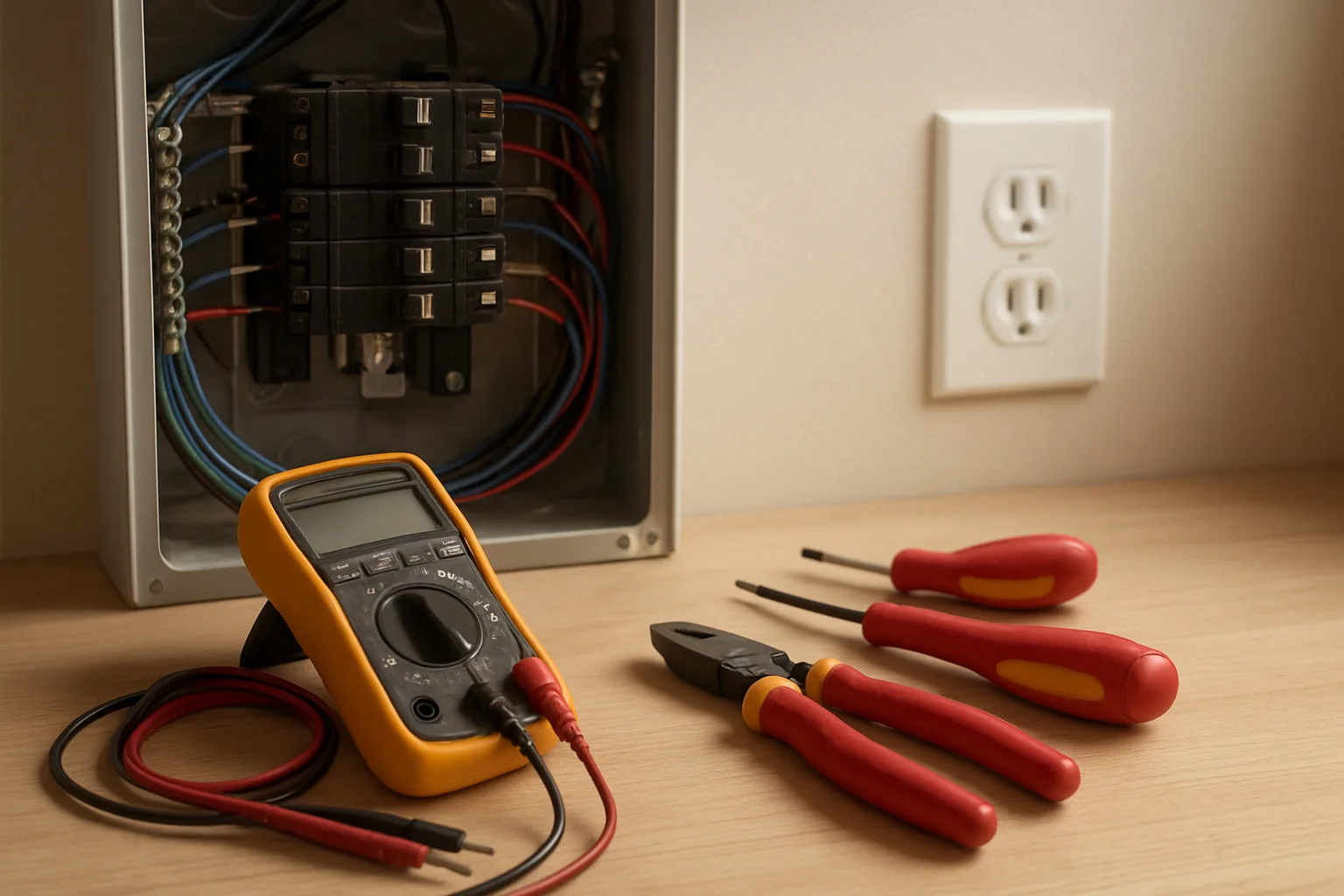
The panel is one of the most important places to evaluate when considering whole home rewiring. If breakers trip often, labels are incomplete or inaccurate, or the panel appears crowded with added equipment and improvised connections, the home may need a closer look. Rust, corrosion, heat discoloration, or signs of moisture around the panel are especially important in humid coastal and inland Northwest Florida conditions. The panel is not just a box of switches; it is the control point where the system either distributes power safely or begins to show its limits. Problems there can influence the entire home.
A professional inspector does not simply look at whether the panel is on or off. They assess capacity, circuit organization, connection quality, grounding and bonding conditions, and whether the equipment is appropriate for the home’s current needs. Some homes have panels that technically operate but are not well suited to the demand placed on them. Others have older arrangements that make diagnosis difficult because circuits were added over the years without clear documentation. Rewiring decisions often begin with panel findings, because the service equipment can indicate whether the rest of the home’s electrical system is keeping up or falling behind.
What older wiring can look like inside the walls
Many homeowners never see the wiring inside the walls, so it is easy to assume that hidden conductors remain in good condition as long as the lights still turn on. Unfortunately, older wiring can become brittle, insulation can crack, and connections can loosen over time. In some homes, previous renovations may have left mixed materials or nonuniform methods that are not ideal for current conditions. A system may contain sections that were added at different times, which means the house could be functioning on several different standards at once. That kind of patchwork setup is difficult to trust without a thorough inspection.
A professional diagnosis can identify whether the visible problems are tied to aging conductors, deteriorating insulation, overloaded circuits, or improper splicing. That assessment is especially important because hidden wiring defects are not always obvious until damage has already progressed. If there are signs of heat, intermittent power loss, or repeated electrical failures, opening walls or ceilings may eventually be necessary as part of a planned rewiring project. The purpose of a professional evaluation is to reduce uncertainty. Homeowners should understand what is known, what is suspected, and what would need to be confirmed before any major work is recommended.
Moisture, storms, and coastal conditions add stress
Northwest Florida homeowners deal with environmental conditions that can make electrical systems work harder. High humidity can contribute to corrosion at connections and in metal components. Storms can produce surges, water intrusion, and temporary power interruptions that may stress equipment over time. Even when a home does not suffer dramatic visible damage, repeated environmental exposure can slowly affect receptacles, fixtures, exterior service components, and attic or crawlspace wiring. Areas near kitchens, baths, laundry rooms, garages, and exterior walls deserve particular attention because they often experience more moisture and temperature variation.
Because these conditions can develop gradually, homeowners may not connect a persistent electrical issue with the local environment. A professional assessment considers the setting as well as the symptom. Technicians can look for signs of corrosion, inappropriate outdoor exposure, failed weather protection, or deterioration in locations where heat and humidity are common. This matters because rewiring decisions should be based on the real condition of the system, not on assumptions. In coastal and storm-prone regions, proactive evaluation can help homeowners address weak points before they contribute to outages, unsafe operation, or repeated repair calls.
Frequent repairs may signal a bigger system problem
Some homes go through a pattern of repeated service calls for different electrical symptoms that never seem fully resolved. A breaker is replaced, then a different outlet stops working. A light fixture is repaired, then another room starts flickering. A homeowner may begin to feel like the house has a long list of small electrical annoyances. When that pattern appears, the issue may be more systemic than it first looks. Repeated repairs can sometimes treat symptoms without correcting the underlying condition of the wiring itself.
Professional diagnosis is important because it helps distinguish between isolated failures and a broader pattern of deterioration or design limitations. If several parts of the house are showing signs of wear, a whole home rewiring conversation may be more practical than continued piecemeal fixes. That does not mean every problem requires a full replacement. It means a trained electrician should evaluate the age, layout, and condition of the system in context. The homeowner benefits from a clearer plan rather than a series of temporary solutions that do not solve the root issue. A thorough assessment can also help identify which portions of the system may still be serviceable and which are causing the recurring trouble.
How a professional electrical assessment works
A professional assessment is a structured process, not a quick glance. The electrician typically begins with a conversation about the homeowner’s concerns, recent symptoms, and any past electrical work. From there, the evaluation may include inspection of the service equipment, selected outlets and switches, visible wiring routes, grounding and bonding components, and load distribution throughout the home. The goal is to understand not only what is failing, but why it is happening. This method matters because similar symptoms can come from very different causes. For example, flickering lights could stem from a loose connection, overloaded circuit, or device issue. A careful diagnostic process helps separate those possibilities.
During a professional review, the electrician also considers the home’s usage patterns. A household with multiple computers, large appliances, charging equipment, and high cooling demand may need a different electrical strategy than a lightly used seasonal residence. The assessment may identify whether the home needs targeted correction, panel improvements, circuit additions, or a more comprehensive rewiring plan. Importantly, professional diagnosis does not rely on assumptions based only on the home’s age. It combines observation, testing, and experience to create a practical recommendation. That gives homeowners a clearer understanding of risk, scope, and next steps without resorting to unnecessary work.
What homeowners should expect from a rewiring recommendation
If a professional determines that whole home rewiring is appropriate, the recommendation should be explained in plain language. Homeowners deserve to know what problems were found, why those problems point toward rewiring, and whether there are any limited alternatives. A good recommendation is specific about the conditions observed rather than vague about general age or appearance. It should help the homeowner understand whether the concern is safety, reliability, code-related updating, capacity, or all of these factors together. The purpose is not to pressure a decision but to provide enough information for a responsible one.
The recommendation should also reflect the home’s actual layout and use. Some properties may require a complete rewiring because the system is too outdated or inconsistent to support repairs effectively. Others may benefit from staged work that addresses the most urgent issues first. Either way, the homeowner should walk away with a clear sense of what needs attention and why. Since every home is different, a professional assessment is the only reliable way to determine the right path. In Bay, Walton, and Okaloosa counties, homeowners can rely on local electrical service from 850 Electrical, part of veteran-owned A Superior Mechanical, for a practical evaluation grounded in the realities of the property rather than a one-size-fits-all answer.
Why not to delay evaluation when warning signs appear
It is easy to postpone electrical evaluation because many warning signs start small. A breaker trips once in a while. A light flickers only when another appliance starts. An outlet seems loose but still works. Homeowners often get used to these symptoms and begin to treat them as normal household quirks. The risk is that electrical deterioration can continue in the background while the home appears to function well enough. What looks manageable today may become more disruptive later, especially if more circuits begin to show strain or if a hidden fault worsens over time.
Prompt professional attention does not mean every concern turns into a major project. It means the homeowner gets a factual understanding sooner rather than later. That can reduce the chance of repeated disruptions, help protect appliances and electronics, and improve confidence in the home’s electrical system. In a region where cooling, storm readiness, and year-round equipment use matter, electrical reliability is part of daily comfort. The earlier a concern is evaluated, the more options a homeowner is likely to have. Delaying can narrow those options and allow avoidable damage to accumulate. A timely diagnosis is the most useful first step when the signs point to possible wiring problems.
Choosing the right local electrical partner
When homeowners need help with possible whole home rewiring, they should look for a company that treats the job as an assessment first and a project second. The right partner listens carefully, explains findings clearly, and bases recommendations on the condition of the system. Homeowners in Northwest Florida benefit from working with electricians who understand local building conditions, humidity challenges, and the demands placed on homes in the area. That local perspective matters because wiring problems do not exist in a vacuum. They are influenced by how the home was built, how it has been modified, and how it is used today.
850 Electrical, part of veteran-owned A Superior Mechanical, serves Bay, Walton, and Okaloosa counties with professional electrical service focused on practical diagnosis and dependable solutions. Whether the concern is frequent breaker trips, visible device damage, panel issues, or a broader sense that the home’s wiring is no longer keeping up, the best first step is a careful evaluation. Homeowners do not need to guess, and they should not attempt hazardous electrical work on their own. A qualified electrician can determine whether repair, partial replacement, or whole home rewiring is the appropriate path and explain the reasoning in clear, useful terms.
A homeowner checklist for next steps
If you suspect your home may need rewiring, start by noting the specific signs you have seen: tripped breakers, flickering lights, warm devices, buzzing sounds, scorched outlets, or repeated electrical repairs. Write down when the problems happen and whether they occur in one room or throughout the house. That information can help an electrician diagnose the issue more efficiently. Also pay attention to whether the problem appears during heavy appliance use, after storms, or when certain fixtures are running. These patterns can offer meaningful clues during a professional visit.
The most important next step is to schedule an electrical assessment rather than trying to troubleshoot hidden wiring yourself. A professional can evaluate the system safely, identify the source of the concern, and explain whether a targeted fix or a full rewiring recommendation makes sense. For homeowners in Northwest Florida, that kind of informed guidance can make an important difference in safety and peace of mind. If your home is showing signs that the electrical system may be reaching its limits, 850 Electrical can help with a professional diagnosis tailored to the realities of your property and the conditions common in Bay, Walton, and Okaloosa counties.
Explore related electrical care
- Whole Home Rewiring
- Whole Home Backup Solutions
- Whole Home Surge Protection
- Circuit Breaker Panels & Rewiring
- Home Theater & AV Wiring
- Smart Home Integration
Continue reading
- Whole-Home Backup Power Warning Signs Northwest Florida Homeowners Should Not Ignore
- Circuit Breaker Panels and Rewiring Warning Signs Northwest Florida Homeowners Should Know
- Whole Home Surge Protection in Northwest Florida: Warning Signs, Risks, and Professional Diagnosis
Talk with the 850 Electrical team for help with your home or business.