
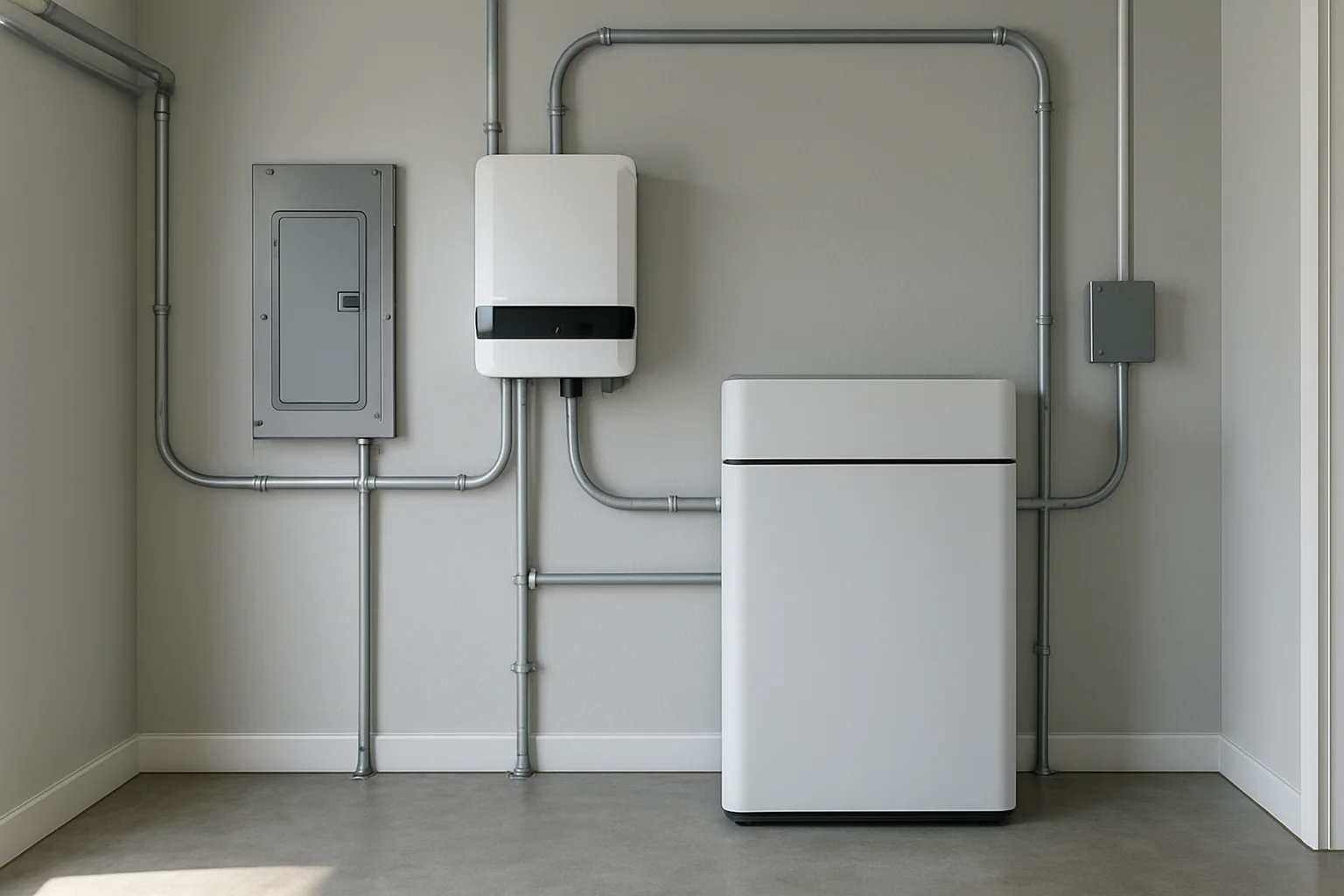
Why Battery Backup Planning Matters in Northwest Florida
Battery backup systems give homeowners a practical layer of protection when the power goes out, but their value depends on more than just having batteries installed. In Bay, Walton, and Okaloosa counties, outages can come from summer thunderstorms, tropical weather, grid interruptions, and localized equipment failures. A backup system may support critical circuits, medical equipment, refrigeration, lighting, internet, or security devices, but it only performs as expected when it is sized correctly and cared for over time. Preventive planning helps reduce stress during an outage and lowers the chance that a battery system will underperform when it is needed most.
Seasonal planning is especially important in Northwest Florida because the environment works against electrical equipment in several ways. Heat, humidity, corrosion, and salt air can all shorten component life if they are not accounted for during installation and maintenance. Homeowners often think of backup batteries as set-and-forget equipment, but regular inspection and professional evaluation are what keep the system dependable. A well-maintained setup should be matched to the home’s actual emergency needs, with clear priorities and realistic expectations about runtime.
How Battery Backup Systems Support a Home
A battery backup system stores energy and releases it when the utility supply is interrupted or when a specific load needs temporary support. Some systems are designed to keep a few essential circuits running, while others are integrated with solar or standby generation equipment. For homeowners, the key point is not the technology label but the role the system plays in the home. It can bridge short outages, protect electronics from abrupt shutdowns, and provide continuity for essential daily functions while a larger power source comes online or utility service is restored.
The system’s usefulness depends on the loads it is assigned to support. A homeowner may assume that a battery backup can power the whole house, but in practice, the available capacity has limits. Critical loads are usually selected in advance so the battery is not overwhelmed. Professional assessment helps determine which items should be connected, how long they need to run, and whether the battery bank, inverter, transfer equipment, and wiring can handle the demand. That planning step is essential because it turns a general idea of backup power into a system that works for the specific home and the conditions it faces.
Common Seasonal Threats to Battery Performance
Northwest Florida’s seasons create different stress points for battery backup systems. Summer heat can increase internal wear, and high humidity can affect electrical components, connections, and enclosures. Coastal and near-coastal homes may also face salt-related corrosion that gradually affects metal surfaces and terminals. During hurricane season, the issue is not only the storm itself but also the extended outage that can follow, especially when systems must run longer than usual or be repeatedly cycled as power returns and fails in parts of a neighborhood. These conditions can expose weak batteries or loose connections that might otherwise go unnoticed.
Winter is typically milder, but seasonal changes still matter. Cooler temperatures can alter battery behavior, and homeowners may notice different runtime or charging patterns depending on the chemistry and installation location. In many cases, the biggest seasonal mistake is not preparing early enough. If a system is not tested until a storm is already approaching, there may be no time to address an issue found during inspection. Preventive care means understanding that battery systems age gradually and can lose performance even when they appear normal in everyday use.
Understanding Battery Types in Home Backup Systems
Not every backup battery is the same, and the type installed in a home influences maintenance needs and expected performance. Some systems rely on lithium-based batteries, which are often chosen for their energy density and compact design. Others may use different chemistries depending on the application, equipment compatibility, and the electrical goals of the installation. The important thing for a homeowner is not to treat all battery systems as interchangeable. Each design has its own charging characteristics, temperature sensitivity, and service considerations that should be understood before planning maintenance around it.
A professional assessment helps interpret the manufacturer’s requirements in the context of the home. For example, where the battery is installed, how the equipment is ventilated, and what loads it supports can affect the practical lifespan and reliability of the system. A technician can also evaluate whether the battery bank still matches the household’s current electrical needs. A family that has added appliances, a home office, or new comfort equipment may now need a different capacity than when the system was first installed. That is why ongoing planning is more than simple upkeep; it is a way to ensure the backup system still fits the home as the household changes.
Installation Conditions That Affect Long-Term Reliability
A battery backup system can be technically correct on paper and still underperform if installation conditions are poor. Location matters. Areas that are too hot, too damp, too confined, or too exposed to corrosive air can shorten equipment life. In Northwest Florida, garages, utility rooms, closets, and other indoor spaces each have advantages and tradeoffs. The right choice depends on code compliance, available space, ventilation, and the specific battery and inverter equipment involved. A system placed without careful environmental planning may require more frequent attention and could fail prematurely.
Another installation factor is accessibility. If a battery is hard to inspect, reach, or service, routine care becomes more difficult and small issues may be overlooked. Secure mounting, adequate clearance, and organized wiring all help the system stay dependable. Professional installers also consider how the equipment interacts with nearby electrical panels, transfer components, and branch circuits. Proper layout reduces unnecessary strain and supports safer servicing. For homeowners, the best takeaway is that reliability starts long before the first outage. Installation quality determines how easily the system can be maintained over time and how well it will handle seasonal stress.
What Preventive Maintenance Usually Includes
Preventive maintenance for a battery backup system is not just about checking whether the lights come on during a test. A thorough evaluation typically includes visual inspection of the battery enclosure, wiring, terminals, and associated electrical components. A technician may look for corrosion, discoloration, loose connections, swelling, signs of heat stress, or other visible concerns. They may also review system indicators, charging behavior, and any recorded faults or alerts. This kind of inspection can reveal issues that would not be obvious to a homeowner relying on a quick glance.
Maintenance also includes confirming that the system still meets the home’s needs. A battery may technically function but no longer provide the runtime or load support the household expects. Professional assessment can help verify whether performance has drifted over time and whether the battery bank, inverter, or control equipment needs attention. For many homeowners, the most valuable part of preventive maintenance is the interpretation. A trained electrician can distinguish between normal wear and a developing problem, then recommend the safest next step. That process helps prevent avoidable failures during storm season or during an unexpected grid interruption.
Seasonal Checklist for Spring and Early Summer
Spring is a useful time to review battery backup readiness before the hottest months and the peak of hurricane season arrive. Homeowners can start by checking whether the area around the system is clean, dry, and accessible. Dust, stored items, and blocked airflow can all interfere with equipment performance or complicate a service visit. It is also a good time to make sure the home’s emergency priorities are still correct. If the family’s needs have changed, such as adding freezers, networking equipment, or essential medical devices, the backup plan may need to be updated.
Professional inspection in spring can also identify issues that developed quietly over the cooler months. A technician may confirm charging function, inspect connections, and review the condition of the battery enclosure and related breakers or transfer components. If the system has not been exercised recently, a controlled test can help reveal whether performance is stable. Early-season assessment matters because any repairs or adjustments can be handled before weather pressure increases. This is the season for preparation, not waiting. A system that is reviewed early has a better chance of being dependable when storm forecasts become part of daily life.
Preparing for Hurricane Season Without Overstating Capabilities
Hurricane season is the most visible reason homeowners think about battery backup, but it is important to plan realistically. A battery system is not a cure-all for prolonged outages, and it should not be expected to replace every function in a home for an indefinite period. Instead, it is best viewed as part of an emergency strategy that may also include utility awareness, food preservation plans, communication backups, and, in some homes, a generator or solar system. The right goal is dependable support for essential loads, not overpromising what the battery can do.
Before storm season intensifies, homeowners should ask whether their backup plan reflects actual outage patterns in their neighborhood. Short interruptions may require a different setup than multi-day outages. Professional assessment can help ensure the battery capacity and controls match the homeowner’s priorities. It can also verify that the system is configured to transition properly during an outage and return to normal charging when power is restored. A well-designed system should be understandable in an emergency, with clear expectations about what stays on and for how long. That clarity is often more valuable than maximizing every possible circuit.
Summer Heat, Humidity, and Coastal Air
Heat is one of the biggest enemies of electrical equipment in Northwest Florida. Batteries and related electronics can be affected by prolonged high temperatures, especially if the installation location lacks good ventilation or if nearby equipment also generates heat. Humidity adds another layer of concern by increasing the possibility of corrosion or moisture-related wear. Even when the system is indoors, ambient conditions can influence long-term reliability. Homeowners who notice that a utility area feels damp or unusually warm should not assume the equipment can simply compensate for that environment indefinitely.
Coastal air can further increase risk by encouraging corrosion on exposed metal parts, fasteners, or terminals. That does not mean battery systems cannot be used near the coast; it means the installation and maintenance plan must account for the environment. Protective enclosures, proper placement, and routine inspections become more important in these settings. A professional electrician can evaluate whether the current environment is suitable and whether any changes are needed to reduce stress on the system. In this climate, preventive care is not optional detail work; it is part of how equipment stays functional year after year.
Warning Signs Homeowners Should Not Ignore
Some warning signs are subtle, but they should still prompt a professional evaluation. If the battery system is producing alerts, displaying fault messages, taking longer to recharge, or providing noticeably shorter support time than before, those changes may indicate an issue. Physical signs such as swelling, unusual warmth, discoloration, corrosion, or a burnt odor should never be ignored. Even if the system seems to still work, those symptoms can signal internal stress or a developing failure. Homeowners should avoid opening battery equipment or attempting to diagnose internal electrical problems themselves.
Another important warning sign is inconsistency. If the backup system behaves differently from one test to another, or if it drops a load that it previously supported, the issue may involve more than a simple setting change. Circuit changes made elsewhere in the home can also affect backup performance, which is why a full evaluation is useful. Professional assessment can help determine whether the issue is with the battery itself, the inverter, wiring, control settings, or the loads being powered. Catching problems early is usually safer and more cost-effective than waiting until the first storm exposes them.
How Professional Assessment Protects the Whole Electrical System
Battery backup systems are connected to the home’s larger electrical network, so evaluating them means looking beyond the battery alone. A professional assessment can review the panel connection, transfer equipment, branch circuit assignments, and the condition of the surrounding electrical components. This matters because a battery system that is attached to a weak or outdated electrical foundation may not perform safely or efficiently. The assessment helps identify whether the home’s current wiring and load arrangement still support the intended backup design.
A licensed electrician can also help homeowners make sense of tradeoffs. It may not be practical to add every desired load to a battery system, and trying to do so could reduce runtime or create operational issues. Professional guidance helps prioritize essential circuits and ensure the system is not overloaded. For homeowners, this is one of the most valuable parts of service: the technician is not only maintaining equipment but also confirming that the emergency plan makes sense electrically. That broader view reduces surprises and supports safer performance when outages occur.
Creating a Simple Year-Round Maintenance Routine
Homeowners do not need to become electrical technicians to care for a battery backup system, but they do benefit from a simple routine. At a basic level, the area around the equipment should remain clear, dry, and accessible. Any visible changes, alarms, or unusual behavior should be noted and reported promptly. It is also helpful to keep a record of service visits, system tests, and any changes made to the home that could affect electrical demand. These notes make it easier for a professional to evaluate trends over time and recommend the right adjustments.
A year-round plan should include at least one seasonal review before major weather risk increases, plus additional attention after major outages or power events. If the battery has been heavily used, it may deserve an earlier check. If the home has undergone renovations, appliance changes, or electrical upgrades, the backup system should be reviewed again to confirm it still matches the home. Preventive care works best when it is consistent rather than reactive. The goal is to keep the system ready for ordinary outages, storm season, and the unexpected events that every Florida homeowner eventually faces.
Local Help for Battery Backup Systems in Bay, Walton, and Okaloosa Counties
Homeowners in Bay, Walton, and Okaloosa counties benefit from working with an electrical company that understands both the climate and the practical demands of local homes. Battery backup systems in this region need attention to heat, humidity, storm season, and coastal conditions, along with the everyday realities of home electrical use. Whether the goal is to support critical circuits during outages or to maintain an existing backup system, local professional service can help identify issues before they become emergencies. 850 Electrical, part of veteran-owned A Superior Mechanical, serves homeowners in these counties with electrical expertise focused on safe, reliable systems.
If your battery backup system has not been checked recently, or if you want to plan ahead before the next season of storms and outages, a professional assessment is the safest place to start. An electrician can evaluate the system’s condition, discuss whether it still fits the home’s needs, and help you plan maintenance around the year’s weather patterns. For service in Bay, Walton, and Okaloosa counties, homeowners can contact 850 Electrical at 850-258-3225. The most reliable backup plan is one that has been reviewed before the power goes out, not after.
Explore related electrical care
- Battery Backup Systems
- Whole Home Backup Solutions
- 24 Hour Emergency Electrical Service
- Ceiling Fan Services
- Circuit Breaker Panels & Rewiring
- Commercial Electrical New Construction
Continue reading
- Seasonal Electrical Planning for Northwest Florida Homes: Preventive Care That Reduces Risk and Disruption
- Electrical Financing for Preventive Care and Seasonal Planning in Northwest Florida Homes
- EV Charger Installation in Northwest Florida: Seasonal Planning and Preventive Care for Homeowners
Talk with the 850 Electrical team for help with your home or business.