
Why seasonal electrical planning matters in Northwest Florida
Northwest Florida homes face a combination of heat, humidity, salt air, heavy rain, lightning, and storm-related outages that can all affect an electrical system over time. Preventive care is not just about avoiding surprise repairs. It is about reducing wear, identifying small issues before they become larger hazards, and planning ahead for seasonal demands that can stress panels, outlets, lighting, and connected equipment. For homeowners in Bay, Walton, and Okaloosa counties, a seasonal mindset is especially useful because the same system may perform very differently in summer humidity than it does during cooler, drier months.
Professional electrical assessment helps translate those seasonal pressures into a practical home plan. A qualified electrician can examine service equipment, branch circuits, grounding and bonding, visible wiring condition, and signs of moisture intrusion or corrosion. That assessment can also help you prioritize improvements based on your home’s age, occupancy, appliances, and storm exposure. The goal is not to make every home identical. It is to make a home’s electrical system safer, more reliable, and better suited to local conditions throughout the year.
Understanding local climate stress on electrical systems
In Northwest Florida, climate affects electrical components in ways that are not always obvious indoors. High humidity can contribute to corrosion in metal parts, especially where there is already minor damage, loosened connections, or exposure to damp spaces such as garages, attics, crawl spaces, and exterior equipment. Salt carried in coastal air can be another factor near the shoreline. Over time, these conditions may weaken contacts, discolor enclosures, or reduce the lifespan of some components even when the home appears normal on the surface.
Seasonal temperature changes also matter. In warmer months, air conditioning systems, ceiling fans, dehumidifiers, and refrigerators often work harder and run longer. That means more continuous load on circuits and more opportunities for weaknesses to show up. During storm season, lightning and utility interruptions can create additional stress through power fluctuations or sudden outages. A professional can inspect for signs that the system is carrying too much demand, has aging protective devices, or needs upgrades to better support modern household use. Planning around climate is really planning around how electricity is used and how the home environment influences the system’s condition.
Start with a whole-home electrical checkup
A whole-home electrical checkup is one of the most practical preventive steps a homeowner can take. It begins with a review of the service entrance, main panel, subpanels if present, and the visible condition of wiring, receptacles, switches, fixtures, and exterior electrical points. The electrician may also look at grounding and bonding, signs of overheating, loose connections, damaged covers, and any evidence of moisture or corrosion. This kind of evaluation helps identify issues that are still small enough to manage before they interrupt daily life or create a safety concern.
Professional assessment is valuable because many electrical concerns are not visible to an untrained eye. A tripped breaker, a warm outlet cover, or a flickering light may point to a simple problem, but it can also indicate something that requires careful testing and corrective work. An electrician has the tools and knowledge to determine whether the cause is related to a device failure, an overloaded circuit, a wiring defect, or a larger service issue. For homeowners, the benefit is clarity. Instead of guessing, you get a prioritized list of what needs attention now, what should be monitored, and what can be planned for later.
Seasonal priorities for spring maintenance
Spring is a useful time to prepare the home for the heavier electrical demands that often arrive with summer heat. In many houses, this is a good season to inspect outlets and fixtures that may have been overlooked during the cooler months, especially in kitchens, laundry rooms, garages, porches, and exterior living areas. Spring also makes it easier to check outdoor components before frequent thunderstorms and high humidity settle in. If a home uses landscape lighting, exterior fans, or pool equipment, those systems deserve attention before they become part of the daily routine again.
A professional inspection in spring can also help identify whether the home is ready for increased air conditioning use. An electrician may evaluate panel capacity, circuit loading, and any visible wear that could become more problematic during peak cooling season. This is also a good time to confirm that smoke alarms, carbon monoxide alarms where applicable, and GFCI or other protective devices are functioning correctly. These are not do-it-yourself tasks when uncertainty exists; a trained electrician can verify whether devices are installed properly and whether the electrical system around them is serving the home as intended. Spring planning is about getting ahead of the season rather than reacting in the middle of it.
Summer heat, cooling demand, and load management
Summer in Northwest Florida places a high demand on residential electrical systems. Air conditioning may run for long stretches, fans run more often, and refrigerators and freezers may cycle more frequently as indoor temperatures rise. Homes with added comfort equipment, home offices, workshops, or entertainment systems can see even more demand. When a system is working near its limits, the signs may be subtle at first: a breaker trips occasionally, a light flickers when a major appliance starts, or an outlet feels warm after extended use. These signs deserve attention because they may indicate overloads, aging parts, or connection issues.
A professional can help determine whether the problem is circuit-specific or system-wide. In some cases, the solution may be as simple as redistributing loads or replacing a worn device. In other cases, a more thorough assessment may show the need for additional circuits, upgraded equipment, or service changes to support modern household usage safely. Homeowners should avoid assuming that a breaker tripping repeatedly is simply inconvenient and harmless. Breakers are protective devices, not everyday switches. If they are operating often, an electrician can evaluate the cause and recommend a safer path forward based on the home’s actual demand and layout.
Preparing for storm season before weather turns severe
Storm season is a major reason homeowners in this region benefit from electrical preventive planning. Heavy rain, wind, lightning, and utility disruptions can affect not only the power supply but also outdoor equipment, service entrances, and sensitive electronics inside the home. Preparation does not mean trying to make a house stormproof in every respect. It means reducing avoidable vulnerabilities before severe weather arrives. That may include checking exterior enclosures, ensuring covers are intact, confirming that outdoor outlets have proper protection, and making sure the main system shows no visible signs of deterioration.
Professional evaluation is especially helpful when a home has older wiring, previous storm damage, or additions that were completed over time. An electrician can look for improper transitions, exposed parts, or equipment that may not be well suited to wet conditions. They can also discuss options that support resilience, such as surge protection strategies or generator-related planning where appropriate for the home. These conversations should be tailored to the property and the homeowner’s needs. The purpose is not to create fear around every storm. It is to make sure the electrical system is not already weakened before weather events add extra stress.
Fall is the best time to review the system after summer strain
After a long summer of cooling demand and frequent storms, fall is an ideal time to review how the electrical system performed. Homeowners may notice small issues that appeared during peak heat, such as recurring breaker trips, lights that dimmed during heavy appliance use, or an outdoor outlet that stopped working after wet weather. These symptoms can point to wear that should be checked before the home enters the holiday season and cooler-weather routines. Fall maintenance is valuable because it gives the electrician a chance to inspect, correct, and plan without the pressure of immediate severe weather or high seasonal demand.
A professional assessment in the fall can also identify hidden damage that did not reveal itself until later. Moisture intrusion, corrosion, and heat stress can combine in ways that are not obvious from a quick visual check. An electrician may test devices, inspect accessible wiring paths, and review any changes made since the last visit, including new appliances, remodeling, or outdoor electrical additions. This is also a practical season to make sure the electrical system is ready for more indoor activity, decorative lighting, holiday cooking, and increased use of devices. A fall review often serves as the bridge between summer strain and winter routine.
Winter planning for lower temperatures and holiday demand
Although Northwest Florida winters are generally milder than in many other parts of the country, electrical demand can still shift during cooler months. Space heaters, extra lighting, kitchen appliances, and holiday displays can all change how circuits are used. Even when temperatures are not extreme, families often spend more time indoors, which can mean more simultaneous use of outlets and devices. Homes that were already close to their electrical limits in summer may still show stress in winter, especially if holiday decorations or temporary equipment are added without considering circuit capacity.
Professional planning before winter helps avoid preventable problems. An electrician can review whether the home’s outlets, circuits, and protective devices are well matched to current use patterns. This is also a good time to discuss how to manage temporary seasonal loads safely without relying on overloaded extension cords or questionable plug arrangements. The focus should always be on long-term safety and proper installation rather than short-term convenience. Homeowners who plan ahead can enjoy the season with fewer interruptions, better lighting reliability, and less risk of overtaxing an already busy electrical system.
Why older homes deserve extra attention
Older homes throughout Bay, Walton, and Okaloosa counties can have strong construction and real character, but the electrical systems inside them may not always reflect modern usage. A home built in an earlier era may have fewer circuits, older panel equipment, aging receptacles, or wiring that was not designed for today’s higher number of appliances and electronics. Even if the system has worked for years, age alone can make preventive inspection worthwhile. Wear is cumulative, and what was acceptable decades ago may no longer be enough for present-day demand.
A professional electrician can assess older systems with an eye toward both safety and practicality. That may include reviewing whether the service equipment has capacity for the household’s needs, whether grounding and bonding are appropriate, and whether certain devices or circuits should be updated. This is especially important when homes have undergone renovations or additions over time, because mixed-era electrical work can create confusion about circuit mapping and load distribution. Homeowners do not need to become electrical historians. They need a clear answer about what is in place now, what is functioning well, and what should be addressed to support safe long-term use.
Newer homes still need preventive care
It is easy to assume that a newer home will not need much electrical attention for a long time, but that is not always true. New construction can still experience issues related to installation errors, settling, weather exposure, appliance additions, or changes in the way the home is used. A newer home may also accumulate demand faster than expected as families add smart devices, entertainment systems, workshop equipment, electric lawn tools, or home office setups. In some cases, the electrical system is modern, but the real-world load has outgrown the original plan.
Preventive care helps catch these shifts early. A professional can check whether circuits are being used as intended, whether outdoor equipment is properly protected, and whether any early warning signs are appearing in the panel or at the devices themselves. If a homeowner has added a hot tub, a shed, a garage workspace, or a major appliance after move-in, it is smart to have the electrical system reviewed rather than assuming the original design automatically covers the new demand. Newer homes can benefit from the same seasonal discipline as older ones, especially in a region where weather and humidity are always part of the equation.
What a homeowner can observe safely before calling a professional
There are a few simple observations homeowners can make without opening equipment or attempting repairs. You can notice whether lights flicker under certain conditions, whether breakers trip repeatedly, whether outlets or switches feel unusually warm, whether there is visible discoloration, or whether a particular area of the home loses power more often than the rest. You can also keep track of when these symptoms happen, such as during peak cooling hours, after rain, or when specific appliances are running. These details can be useful when you speak with an electrician because they help narrow down the likely cause.
What homeowners should avoid is trying to diagnose or correct electrical problems by opening panels, altering wiring, or using improvised fixes. Electrical systems involve shock, fire, and equipment damage risks that are not worth guessing about. Professional assessment exists for a reason: it provides a careful inspection, testing where appropriate, and a recommended solution based on the actual condition of the system. The safest role for the homeowner is observer and communicator. The safest role for the electrician is evaluator and installer. When those roles stay clear, problems are more likely to be solved correctly the first time.
How professional assessment supports long-term planning
A good electrical assessment does more than solve today’s problem. It helps homeowners plan for the next season, the next appliance upgrade, or the next phase of home ownership. The electrician can identify which issues are urgent, which can be scheduled, and which deserve monitoring. That helps prevent surprise breakdowns and supports smarter budgeting over time, even when the work is being done in stages. For example, a homeowner may not need a major change immediately, but an assessment might show that the panel, grounding, or certain circuits should be reviewed more closely before additional equipment is added.
This approach is especially valuable in a climate like Northwest Florida’s, where seasonal conditions can accelerate wear. Instead of waiting for a failure in the middle of summer or during storm season, the homeowner can make informed decisions in advance. The result is a more reliable home, fewer emergency interruptions, and a better understanding of how the electrical system serves daily life. Preventive care is not about perfection. It is about reducing uncertainty and protecting the home through steady, informed maintenance decisions.
Building a simple year-round electrical checklist
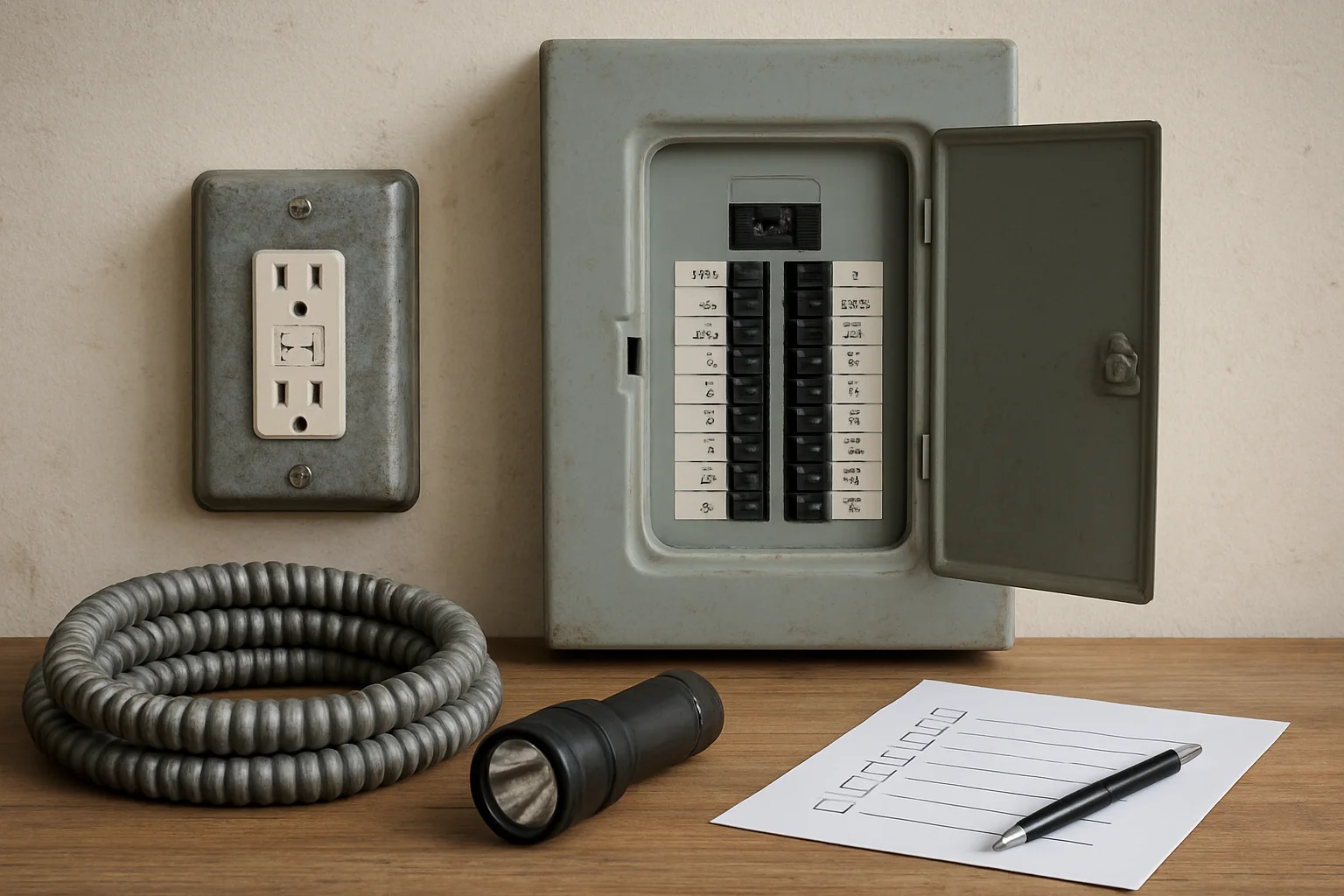
Homeowners do not need a complicated system to stay ahead of electrical concerns. A simple year-round checklist can be enough to keep preventive care on track. At least once each season, note any signs of flickering, tripping, warmth, corrosion, moisture intrusion, or unusual odors near electrical components. Pay attention after storms, after major appliance use, and after any home improvement project that may have changed how circuits are used. If anything unusual appears, document when it started and what was happening in the home at the time. That information can help a professional diagnose the issue more efficiently.
Pairing observation with scheduled professional assessment creates a much stronger maintenance routine than waiting for obvious failure. For many homeowners, an annual or seasonally timed review is the right way to keep pace with local conditions and household changes. If you live in Bay, Walton, or Okaloosa counties and want a local company to help with electrical installation planning, preventive care, or an evaluation of an existing system, 850 Electrical, part of veteran-owned A Superior Mechanical, can be reached at 850-258-3225. A well-timed professional assessment can help your home stay safer, more dependable, and better prepared for the seasons ahead.
Explore related electrical care
- 24 Hour Emergency Electrical Service
- Battery Backup Systems
- Ceiling Fan Services
- Circuit Breaker Panels & Rewiring
- Commercial Electrical New Construction
- Data Network Cabling
Continue reading
- Pool, Spa & Hot Tub Wiring Care for Northwest Florida Homes: Seasonal Planning and Preventive Maintenance
- Outlet and Switch Installation in Northwest Florida: Preventive Care and Seasonal Planning for Safer, More Reliable Homes
- Electrical Financing for Preventive Care and Seasonal Planning in Northwest Florida Homes
Talk with the 850 Electrical team for help with your home or business.