
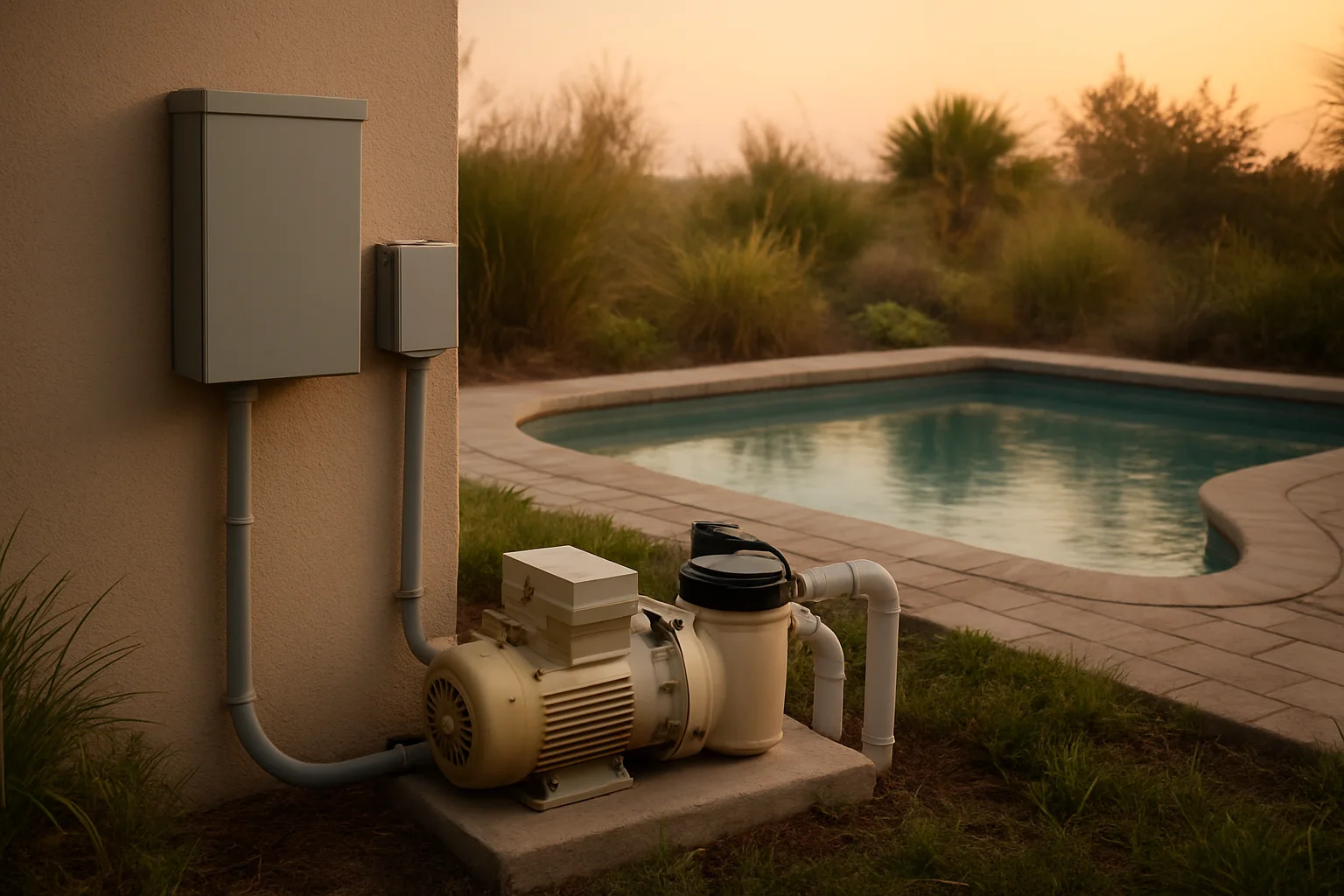
Why pool, spa, and hot tub wiring deserves seasonal attention
Pool, spa, and hot tub electrical systems work in a demanding environment. They sit close to water, outdoors in humid air, and often run through long stretches of hot weather, heavy rain, and salt-influenced conditions common in Northwest Florida. That combination can be hard on wiring, controls, bonding, breakers, and equipment connections. Even when everything appears to work normally, gradual wear can increase the chance of nuisance tripping, poor performance, corrosion, or more serious safety concerns. Seasonal attention helps homeowners catch small issues before they become disruptive or dangerous.
For Bay, Walton, and Okaloosa county homeowners, preventive care is especially useful because local weather can shift quickly. Thunderstorms, tropical moisture, and seasonal use changes can all affect outdoor electrical components. A homeowner can look for visible signs of trouble, but a professional assessment is the right way to evaluate hidden conditions inside panels, enclosures, conduit runs, and equipment connections. 850 Electrical, part of veteran-owned A Superior Mechanical, serves this region and can help homeowners plan inspections and maintenance around pool season, hurricane season, and cooler months when spas may be used differently.
How outdoor water features depend on properly designed electrical systems
A pool or spa electrical system is usually more than a single breaker or pump connection. It can include the main service panel, dedicated circuits, timers, receptacles, lighting, pump motors, heaters, automation controls, and safety components such as grounding and bonding. Each piece has to work together. If one part is undersized, loose, corroded, or incorrectly protected, the entire system may be less reliable. Because water and electricity are involved, the margin for error is small, and even seemingly minor issues should be taken seriously.
Homeowners sometimes think of pool wiring only when a pump stops running or a light flickers, but the system should be treated as a coordinated network. Proper sizing, correct device selection, code-compliant installation, and careful maintenance all matter. In Northwest Florida, where outdoor equipment is exposed to sun, rain, and moisture year-round, those details become even more important. A professional electrician can review the system layout, confirm whether components are appropriate for outdoor and wet-location use, and identify signs of aging or stress that a homeowner may not notice during normal use.
Common signs that pool or spa wiring needs a professional check
Visible warning signs often show up before a complete failure. A pump that starts and stops unexpectedly, lights that dim or flicker, breakers that trip repeatedly, equipment that hums or runs hotter than usual, or controls that seem inconsistent can all indicate electrical trouble. Corrosion on outdoor boxes, discoloration around outlets or disconnects, or a burning smell near equipment should also prompt immediate attention. Water intrusion is another concern, especially after extended rain or flooding conditions. If a component looks damp inside or around the enclosure, it should not simply be reset and ignored.
Homeowners can also pay attention to subtle changes in how the system behaves over time. If a spa heater takes longer than usual, if a timer no longer keeps proper scheduling, or if the pump motor is louder than it used to be, the cause may not be mechanical alone. Electrical resistance, loose terminations, aging components, or a deteriorating breaker can contribute. A professional assessment can separate normal wear from early electrical failure. That is especially helpful before the busiest months of use, when it is better to discover a fixable issue during planning than in the middle of swim season or before guests arrive.
Why Northwest Florida weather creates unique electrical challenges
Northwest Florida homeowners deal with conditions that can be hard on outdoor electrical systems. High humidity, salt air near coastal areas, intense sun exposure, frequent rain, and seasonal storms all contribute to wear. Metal parts can corrode faster, gaskets and seals can degrade, and conduit or connections may experience moisture-related problems over time. Even equipment that was installed correctly can need periodic attention because the environment itself is aggressive. This is one reason seasonal planning matters more here than in milder inland climates.
Storm season adds another layer of concern. Heavy rain and wind can affect outdoor equipment pads, damage covers or enclosures, and lead to water intrusion. Power interruptions and surges can also stress controls and motors. Homeowners do not need to diagnose those issues themselves, but they should know that post-storm electrical checks are prudent. A professional can inspect for moisture, corrosion, tripped protective devices, damaged fittings, and signs that the system needs repair before it is used again. In areas served by 850 Electrical, a practical plan often includes pre-season review, storm-season vigilance, and an end-of-season inspection if the equipment has seen heavy use.
What homeowners can safely observe without touching wiring
There is a lot homeowners can observe safely from a distance. You can look for rust, cracked conduit, loose covers, standing water near equipment, scorch marks, or any visible deterioration on the outside of boxes and enclosures. You can also note whether the pump sounds normal, whether lights operate consistently, and whether breakers trip. These observations are useful because they help an electrician narrow the cause of a problem. Keeping a simple record of when symptoms appear, such as after rain or during high use, can make the professional assessment more efficient.
What homeowners should avoid is opening electrical enclosures, removing covers, or probing around wiring. Pool and spa systems can contain dangerous voltages and may remain energized even when a piece of equipment seems off. Water nearby makes the risk higher. If something looks wrong, the safest action is to stop using the system and contact a qualified electrician. A professional can test circuits, inspect terminations, and verify whether protective devices are functioning properly. The goal is not to guess at the problem, but to document symptoms and let trained technicians evaluate the system safely and thoroughly.
The value of professional inspection before and after peak season
A seasonal inspection is one of the most effective ways to prevent trouble. Before peak warm-weather use, a professional can review the condition of wiring, breakers, disconnects, bonding, grounding, lighting, and control equipment. That kind of assessment can reveal loose connections, worn parts, and hidden corrosion before the system is expected to run heavily. For homeowners who use a spa year-round, an inspection can also confirm that heaters, timers, and controls are ready for more frequent operation. Planning ahead can reduce the odds of interrupted use and help identify issues during a convenient maintenance window.
After a season of frequent use, another review may also be worthwhile, especially if storms, heavy rains, or outages affected the property. Post-season service can help catch wear that developed over time. A professional electrician can determine whether equipment has been stressed, whether moisture has entered enclosures, or whether any component should be repaired or replaced before the next season begins. For homeowners in Bay, Walton, and Okaloosa counties, this kind of planning is practical because it aligns electrical service with local weather patterns and actual equipment use rather than waiting for a breakdown.
How bonding, grounding, and protection devices support safety
Bonding, grounding, and protective devices are essential parts of a safe pool or spa electrical setup. They are designed to reduce electrical hazards by helping direct unwanted current safely and by interrupting power when problems occur. Homeowners do not need to understand every technical detail to appreciate their role. The main point is that these systems are not optional extras. They are part of the reason pool and spa equipment can operate in wet environments with a much greater margin of safety than a casual outdoor installation would provide.
Because these systems are hidden and technical, they are best evaluated by a professional. A homeowner may not notice an improper connection, a missing component, or a device that is no longer operating as intended. During an inspection, an electrician can check whether protective devices are appropriate for the equipment and whether the installation appears consistent with modern safety practices. If a problem is found, the electrician can explain the options without exposing the homeowner to risk. That assessment is especially important where spas, heaters, underwater lights, and pump circuits all coexist near water and where seasonal storms can add strain to the system.
Breaker trips and power interruptions: what they can mean
A tripping breaker is often doing its job by signaling a problem. It can point to overload, a short circuit, a ground fault, moisture intrusion, motor strain, or a failing component. Although it may be tempting to reset the breaker and move on, repeated trips should not be treated as a nuisance only. They are a clue that something in the circuit deserves attention. For pool and spa systems, that clue can involve equipment that runs on a schedule, so the issue may not appear consistently every time the homeowner checks it.
Frequent tripping after storms, after long use, or when multiple components operate together can indicate that the electrical system needs a closer look. A professional electrician can test the circuit, inspect the breaker and connections, and determine whether the root cause is electrical, mechanical, or environmental. That matters because guessing can lead to repeated outages or, worse, ongoing stress on wiring and equipment. Instead of relying on temporary resets, homeowners should treat recurring trips as a maintenance signal. In many cases, an organized assessment can identify the cause and help prevent the same interruption from happening again during the next busy season.
Moisture, corrosion, and weather-related wear
Moisture is one of the most common threats to outdoor electrical equipment. Even when enclosures are designed for outdoor use, seals can age, fittings can loosen, and condensation can form inside components. In coastal or near-coastal parts of Northwest Florida, corrosion can develop more quickly because of humidity and salt exposure. Once corrosion starts, it can affect connections, reduce conductivity, and create heat at stressed points. That is one reason visual inspections alone are not enough to confirm that a system is healthy.
Homeowners should watch for rust, white or greenish residue, discolored fittings, and water marks around equipment. If the area around a pump, timer, or disconnect stays damp after weather passes, that is another sign the system should be checked. A professional electrician can evaluate whether enclosures, seals, conduit, or mounting conditions need attention. The goal is not only to fix current problems but to reduce the chance of future moisture intrusion. For pool, spa, and hot tub systems, weatherproofing and preventative care are ongoing tasks, not one-time installations.
Planning for seasonal use changes in pools, spas, and hot tubs
Many homeowners in Northwest Florida use their pools and spas differently across the year. A pool may see heavier use in warm months, while a spa may be used more often in cooler evenings or during the winter. That shift can change which equipment runs most often and how long it stays on. Electrical systems should be ready for those changes. A seasonal plan helps ensure the right circuits, controls, and safety components are in good condition before demand increases.
For example, if a spa will be used more often in cooler weather, the heater, controls, and supply circuits should be reviewed before that season arrives. If a pool’s pump will run longer during peak swim season, its electrical connections and protective devices should also be checked ahead of time. A professional assessment can help homeowners understand whether the system still matches current usage patterns. That is especially useful in older homes or properties that have had equipment added over time. The objective is to make sure the electrical infrastructure supports how the water feature is actually used, rather than assuming the original setup is still ideal.
When upgrades or repairs should be considered
Repairs are sometimes enough, but there are situations where an upgrade may be the better long-term decision. If the equipment has repeated failures, if the installation shows significant corrosion, if circuits appear undersized for current usage, or if the homeowner has added new spa or lighting features, the electrical system may need more than a simple fix. A professional can explain whether the current setup remains suitable or whether a more comprehensive improvement would be safer and more practical. That decision should be based on inspection and system conditions, not guesswork.
It is also wise to consider upgrades when the property has changed hands, when past work is undocumented, or when the system has experienced several weather events. In those cases, a homeowner may not have the full service history needed to judge reliability. A professional assessment can establish a clearer baseline and identify the most important priorities first. That may mean replacing damaged components, improving weather protection, correcting wiring issues, or updating parts that no longer serve the equipment well. The benefit is a system that is better prepared for regular use and seasonal change in Northwest Florida.
How professional electrical service supports peace of mind
Professional service is valuable because pool and spa wiring involves safety, reliability, and local conditions all at once. An electrician can inspect the system as a whole rather than focusing on a single symptom. That broader view matters because a visible problem may be caused by a hidden one. For homeowners, the main advantage is clarity: you get a trained assessment of what is working, what is aging, what should be monitored, and what needs attention now. That can reduce uncertainty and help you make practical decisions about maintenance and repairs.
850 Electrical, part of veteran-owned A Superior Mechanical, serves Bay, Walton, and Okaloosa counties with that kind of homeowner-focused support. If you notice warnings signs, are planning for seasonal use, or want a professional review before peak weather, a licensed electrician can help evaluate the system safely. The goal is not to overcomplicate the process. It is to make sure your pool, spa, or hot tub wiring is ready for the season and that small concerns do not turn into larger disruptions. For service, call 850-258-3225.
A simple seasonal checklist for Northwest Florida homeowners
Homeowners can use a straightforward seasonal checklist to stay ahead of issues. Look over the equipment area for visible corrosion, standing water, damaged covers, or loose exterior fittings. Note any unusual sounds, repeated breaker trips, inconsistent lighting, or changes in pump or heater performance. If storms or flooding occurred, make a point to have the system reviewed before regular use resumes. If the spa or pool will be used more often in the coming months, schedule an inspection early enough to allow for any needed repairs.
The most important part of the checklist is knowing when to stop and call a professional. Anything involving repeated electrical problems, water intrusion, damaged equipment, or uncertainty about the system should be handled by a qualified electrician, not by trial and error. A seasonal plan works best when it combines safe homeowner observation with professional assessment. That approach helps protect the equipment, preserve comfort, and reduce avoidable downtime. For Bay, Walton, and Okaloosa county homeowners, a little planning before each season can go a long way toward keeping pool and spa systems dependable and safer to use.
Explore related electrical care
- Pool, Spa & Hot Tub Wiring
- Home Theater & AV Wiring
- Security System Wiring
- 24 Hour Emergency Electrical Service
- Battery Backup Systems
- Ceiling Fan Services
Continue reading
- Whole-Home Backup Power Planning for Northwest Florida Homes: Seasonal Maintenance and Preventive Care
- Seasonal Electrical Planning for Northwest Florida Homes: Preventive Care and Smart Service Priorities
- Smoke Detector and Carbon Monoxide Installation for Northwest Florida Homes: Seasonal Planning and Preventive Care
Talk with the 850 Electrical team for help with your home or business.