
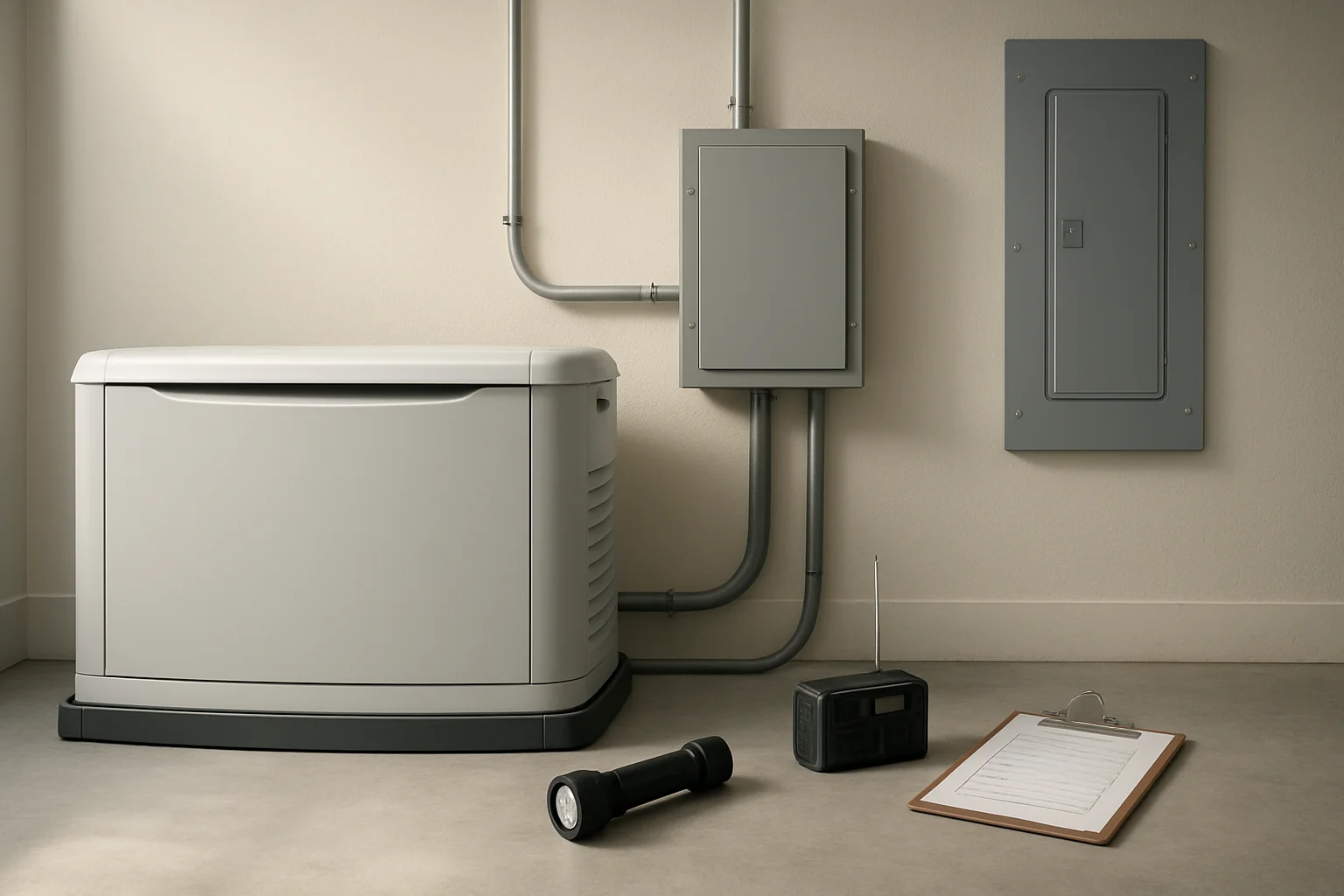
Why whole-home backup planning matters in Northwest Florida
In Bay, Walton, and Okaloosa counties, backup power planning is less about rare emergencies and more about preparing for the kinds of weather and utility interruptions that can affect everyday comfort, safety, and home operations. A whole-home backup solution can help keep essential systems running when the grid is down, but the best results come from thoughtful planning rather than waiting until a storm is already on the radar. Homeowners who think ahead have more time to evaluate their electrical panel, load needs, fuel options, and maintenance schedule before the pressure of peak season arrives.
A good backup plan is not just about having equipment installed. It is about matching the system to the home’s actual electrical demands and the way the family uses power during an outage. Some homes only need refrigeration, lighting, internet, and a few outlets. Others need well pumps, medical equipment, HVAC support, or additional circuits to maintain livability in humid Northwest Florida conditions. Professional assessment helps determine what should be powered, what can be paused, and how the system should be integrated safely with the home’s electrical distribution.
What whole-home backup power can do for a home
Whole-home backup solutions are designed to support a much broader range of electrical needs than small portable setups. Depending on system design, they can provide power to selected critical loads or a more comprehensive portion of the home’s circuits. That can mean keeping refrigerators cold, preventing sump or pump issues where applicable, maintaining communication devices, and helping air conditioning systems continue operating during outages when conditions are hot and humid. For many homeowners, the ability to preserve comfort and safety during an interruption is the main benefit.
It is important to understand that whole-home backup is not one-size-fits-all. The right solution depends on how much power the house requires, how long outages tend to last, and whether the home is equipped for generator-based backup, battery storage, or a hybrid approach. A professional electrician can help clarify the difference between running a few critical circuits and supporting most of the home, and can identify electrical upgrades that may be needed before the backup equipment is installed. That assessment also helps avoid oversizing, undersizing, or creating a system that cannot safely carry the intended load.
Common backup power options homeowners consider
Homeowners usually begin with one of three approaches: a portable generator, a standby generator, or a battery backup system. Portable units can help in limited situations, but they often require more manual setup and careful management. Standby generators are permanently installed and can start automatically when utility power fails, while battery systems store electrical energy and provide quiet, fuel-free operation for selected loads or whole-home support depending on size. Each approach has strengths, and the best fit depends on home size, lifestyle, and outage concerns.
The right choice also depends on the home’s electrical infrastructure and the local environment. Coastal humidity, salt exposure, and storm season can affect equipment placement and maintenance needs. A professional can help evaluate whether the existing panel, transfer equipment, and wiring are suitable for the selected backup option. They can also explain how fuel supply, recharge time, run time, and maintenance intervals affect long-term performance. For Northwest Florida homeowners, backup power planning should always include practical considerations such as noise, location, servicing access, and the systems that matter most to the household during extended outages.
How a professional electrical assessment supports a safe plan
A professional electrical assessment is the foundation of a reliable backup power strategy. It begins with understanding the home’s present electrical service, panel capacity, critical loads, and any existing issues that could interfere with a backup installation. An electrician can review appliance labels, circuit layouts, and the home’s normal usage patterns to estimate the capacity needed for safe operation. That information is especially important in homes with older panels, additions, or equipment that has been added over time without a full system review.
Professional assessment also helps identify code-related considerations and safety issues that homeowners may not recognize on their own. These can include service limitations, outdoor equipment placement, grounding and bonding concerns, and the need for transfer equipment that prevents unsafe backfeed. Because backup systems tie into the home’s electrical infrastructure, even a small oversight can create reliability problems or hazards. A qualified electrician can explain the installation path in clear terms, recommend any needed upgrades, and help the homeowner understand what the system will and will not support during an outage.
Seasonal planning before hurricane season and summer heat
In Northwest Florida, seasonal planning should start well before severe weather is in the forecast. Spring is a practical time to review backup readiness because it gives homeowners time to address maintenance, upgrade aging components, and schedule installation work before summer storm season and peak cooling demand. Backup systems are most valuable when temperatures climb and outages feel more disruptive, so pre-season planning can reduce stress and avoid rushed decisions when electricians and equipment suppliers are busiest.
Homeowners should think about how their home functions during extended hot weather. Air conditioning, refrigerators, lighting, fans, and communication devices often become top priorities. Families with medical devices or remote work needs may also need a more detailed plan. A seasonal review can help determine whether the current backup arrangement still matches the household’s needs, especially if the family has added appliances, built an addition, or changed how the home is used. Professional service before the season begins can catch wear, update settings, and ensure the system is ready before weather-related outages occur.
Seasonal planning for fall and winter reliability
Backup planning does not end when hurricane season eases. Fall and winter bring different challenges, including cooler temperatures, shorter daylight hours, holiday electrical loads, and weather that can still affect utility service. This is a useful time to test readiness, inspect equipment condition, and confirm that the home can still support essential loads without overloading circuits. Even if outages are less common than in the hottest months, a backup system should remain ready year-round because storms, maintenance work, or unexpected utility interruptions can happen at any time.
The cooler season is also a good time to review maintenance records and prepare for the year ahead. Batteries may need condition checks, generator systems may need servicing, and transfer equipment should be inspected for signs of wear or corrosion. Coastal environments can be hard on outdoor electrical equipment, so seasonal attention matters. A professional can verify that the system is prepared for the next period of heavy use and that the home’s electrical needs have not changed. Planning during the off-peak season can also make it easier to schedule work without the rush that often comes with storm preparation.
Maintenance basics that keep backup systems dependable
Backup systems work best when they are maintained before a problem appears. Basic maintenance can include inspecting visible components, confirming that controls are operating correctly, checking for corrosion or moisture intrusion, and reviewing service intervals. For generator-based systems, maintenance may also involve fuel system checks, oil and filter service, battery inspection, and operational testing. For battery systems, homeowners should pay attention to system alerts, ventilation requirements, and any manufacturer-recommended monitoring practices. The goal is not simply to keep the system powered on, but to ensure it performs correctly under load when needed.
Regular professional service matters because backup equipment is often idle for long periods between use. Equipment that sits unused can still experience wear, especially in humid coastal conditions. Connections can loosen, batteries can age, and moving parts may need attention. A qualified electrician or service provider can identify issues before they become failures. Preventive maintenance is usually more effective than waiting for an outage to reveal a problem, because a home may not have much margin for error during a severe weather event. Reliable backup power depends as much on ongoing care as it does on the original installation.
Understanding load management in a real outage
Load management is one of the most important parts of backup planning, yet it is often overlooked until the lights go out. Every backup system has limits, and a home’s electrical needs can quickly exceed those limits if too many appliances run at the same time. Professional planning helps determine which loads should be prioritized and whether the system should support all circuits or only selected critical ones. That decision affects the size of the equipment, the expected run time, and how the household will use electricity during an outage.
Homeowners benefit from having a simple, well-understood plan for what stays on and what is reduced during backup operation. For example, refrigeration and communications may take precedence over nonessential loads, while certain high-draw appliances may need to remain off until utility power returns. If the home uses electric heating, large water heaters, or multiple cooling zones, the electrician may recommend specific load controls or circuit planning to prevent overload. The purpose of a professionally designed system is to keep the home functional and safe without guessing in the middle of an emergency.
Why panel condition and wiring age matter
A backup power installation depends on the condition of the home’s electrical panel and related wiring. If the panel is outdated, undersized, or showing signs of wear, it may need attention before backup equipment can be installed safely. Older panels may not have room for new circuits or may not support the kind of load management a backup system requires. Even when the panel is technically serviceable, corrosion, overheating, or poor previous workmanship can complicate the installation. A thorough evaluation helps determine whether the existing system can support the desired backup plan.
Wiring age matters because backup systems place different demands on the home’s electrical infrastructure than normal everyday use. When utility power is interrupted, the backup system becomes the main source of electricity, and weak connections or compromised components can become more noticeable. Professional assessment can identify whether repairs or modernization should happen before backup equipment is added. That approach is often more efficient than attempting to build around an electrical system that is already struggling. For homeowners, the key point is that backup readiness is not only about the generator or battery unit; it is also about the entire electrical delivery path inside the home.
Humidity, salt air, and coastal conditions
Homes in Northwest Florida face environmental conditions that can influence electrical equipment over time. Humidity, salt exposure, heavy rain, and wind-driven moisture can all affect outdoor components, enclosures, and connections. Even when equipment is rated for outdoor use, coastal conditions can make preventive inspection more important. Corrosion, sealing issues, and moisture intrusion are not always visible from a distance, which is why periodic professional checks are valuable. A backup system that is perfectly designed on paper still needs to survive the real environment around the home.
Placement and protection are important parts of the planning conversation. Equipment should be installed in a location that supports safe operation, servicing access, and exposure management. The electrician may recommend protective measures or discuss how location affects maintenance needs. Homeowners should also be aware that storms can introduce debris and water-related issues, so keeping the area around backup equipment clear is part of good care. In a coastal climate, the best backup plans are built with local weather realities in mind rather than generic assumptions about how electrical equipment performs.
Signs it is time to schedule a professional review
Many homeowners wait until they notice a problem before they call for help, but backup systems often give subtle warning signs first. These can include unusual noises, warning lights, reduced performance, repeated tripping, corrosion on visible components, or a system that no longer seems to start, transfer, or support loads as expected. Even if the equipment still works, changes in the home may justify a review. A remodel, a new HVAC system, an EV charger, or added appliances can all increase power demand and change the backup equation.
A professional review is also worthwhile if the system has not been tested in a long time. Backup equipment that is rarely used can still benefit from inspection and operational confirmation. Testing should be done by a qualified professional in a way that protects the home and equipment. This is especially important for systems that involve transfer devices or fuel-powered generators. Homeowners should not assume that the equipment is ready simply because it looks intact. A scheduled review can uncover issues early and provide a realistic picture of whether the home is truly prepared for an outage.
How to prepare the rest of the home for an outage
Electrical backup is only one part of outage preparation. Homeowners should also think about what happens around the electrical system when the power goes down. That includes having flashlights, batteries, charged communication devices, and a plan for refrigerator and freezer contents. If the home relies on a well pump, alarm system, or internet-connected security equipment, those needs should be reviewed in advance so the family understands what the backup system will support. A complete plan considers comfort, safety, and communication together rather than treating electricity as the only issue.
It is also wise to keep the area around electrical equipment accessible and free of clutter. If a service visit is needed after a storm, clear access can save time. Homeowners should know where the electrical panel, transfer equipment, and any emergency shutoffs are located, even if they do not operate them themselves. A professional can explain these components during an inspection and help the household understand what to do, who to call, and what not to touch in an outage. Being prepared reduces confusion and helps the system do its job when conditions are stressful.
Working with a local electrician for a practical long-term plan
The best backup power plans are built with local conditions, home layout, and long-term maintenance in mind. That is why homeowners in Bay, Walton, and Okaloosa counties benefit from working with an electrician who understands how Florida weather, coastal exposure, and seasonal demand affect electrical systems. A local professional can help evaluate the home, explain available options, and recommend a plan that fits the household’s priorities without overcomplicating the setup. The goal is practical reliability, not unnecessary equipment or guesswork.
850 Electrical, part of veteran-owned A Superior Mechanical, serves homeowners in this region with electrical services tailored to local needs. If you are planning for seasonal storms, reviewing an older electrical panel, or considering a whole-home backup solution, a professional assessment can help you make informed decisions before an outage forces the issue. For help with evaluating your home’s readiness, call 850-258-3225. A careful, well-timed plan can make seasonal interruptions far easier to manage and can support safer, more dependable performance when your home needs backup power most.
A simple seasonal checklist for homeowners
A seasonal checklist can keep backup planning manageable throughout the year. Start by reviewing whether your current system still matches your household’s needs, especially after home improvements or appliance changes. Then schedule a professional inspection if the equipment has not been checked recently. Ask about panel condition, load capacity, transfer equipment, and any maintenance intervals that should be followed. If your backup system uses fuel or batteries, confirm that service items and warning indicators are being monitored as recommended. This step-by-step approach keeps planning organized and avoids last-minute stress.
Next, think about what should happen before, during, and after an outage. Make sure the family understands which loads are essential, where key electrical components are located, and who to contact for service. Keep the area around the electrical equipment accessible, and note any changes after storms, home projects, or power interruptions. Seasonal planning is not about predicting every possible problem; it is about reducing uncertainty and making the home more resilient. With the right professional guidance, homeowners can approach each season with a clearer understanding of how their backup power system supports the whole house.
Explore related electrical care
- Whole Home Backup Solutions
- Whole Home Rewiring
- Whole Home Surge Protection
- Battery Backup Systems
- Home Theater & AV Wiring
- Power Generator Installation
Continue reading
- Smart Home Integration for Northwest Florida Homes: Preventive Electrical Care and Seasonal Planning
- Pool, Spa & Hot Tub Wiring Care for Northwest Florida Homes: Seasonal Planning and Preventive Maintenance
- Battery Backup Systems for Northwest Florida Homes: Preventive Care and Seasonal Planning
Talk with the 850 Electrical team for help with your home or business.