
Why Smart Home Planning Matters in Northwest Florida
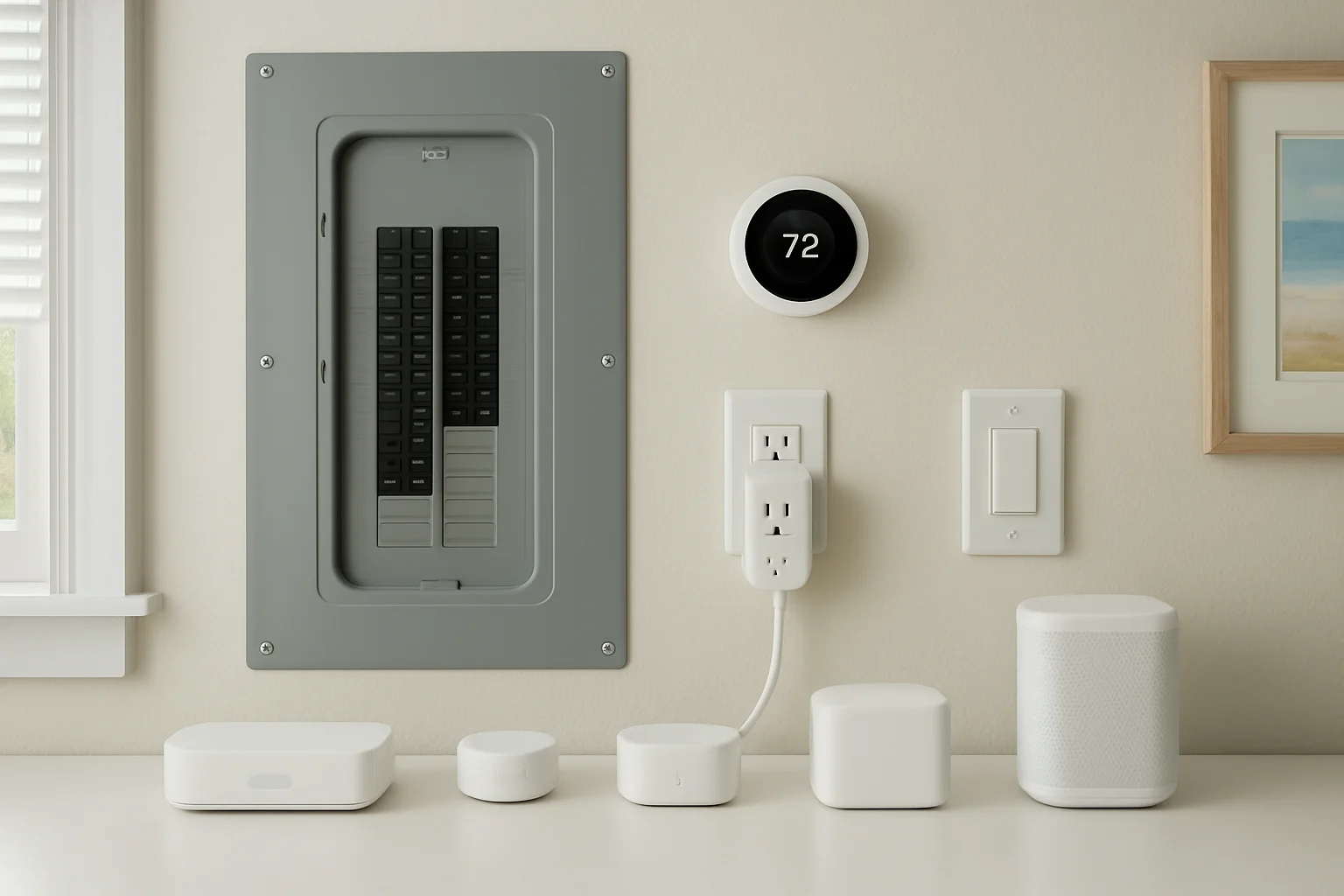
Smart home technology can make a Northwest Florida home more comfortable, efficient, and responsive, but the best results come from planning that starts with the electrical system itself. In Bay, Walton, and Okaloosa counties, homeowners deal with long cooling seasons, heavy humidity, salt air near the coast, thunderstorms, and occasional power interruptions. Those conditions can affect everything from panel performance to the reliability of connected devices. A smart home is only as dependable as the wiring, protection, and circuits behind it, so preventive care should come before or alongside any new device installation.
For homeowners, smart integration is not just about convenience. It can help manage lighting, thermostats, fans, exterior security features, irrigation controls, and energy use in ways that fit local weather patterns. Seasonal planning is especially useful in this region because cooling demand, storm readiness, and winter heating needs change throughout the year. A professional electrical assessment can identify whether your home has the capacity and protection needed for devices you want to add, whether certain circuits are overloaded, and whether surge protection or panel updates are worth considering before equipment problems start. 850 Electrical, part of veteran-owned A Superior Mechanical and serving Bay, Walton and Okaloosa counties, can help homeowners think through these needs with the home’s long-term safety and reliability in mind. Phone 850-258-3225.
What Smart Home Integration Really Means
Smart home integration means connecting electrical devices and systems so they can be controlled, monitored, or automated in a more coordinated way. That can include lighting schedules, thermostats, occupancy sensors, smart switches, ceiling fans, doorbell cameras, outlets, and energy monitoring tools. For many homeowners, the most useful systems are the ones that support daily routines without requiring constant attention. In a climate like Northwest Florida’s, that may mean pre-cooling the house before peak afternoon heat, controlling porch lighting for safety, or automating exterior lights during storm season when visibility can change quickly.
A good integration plan does not begin with gadgets. It begins with the home’s existing electrical layout, circuit capacity, and the type of devices that are already in place. Some older homes can support certain upgrades easily, while others need attention to grounding, panel condition, or dedicated circuits before additional loads are added. A professional assessment is useful because it looks at the whole picture rather than only the new device. That assessment can help homeowners avoid mismatched equipment, nuisance breaker trips, or a setup that works in the short term but is not well suited to the house’s actual wiring conditions. Smart home features should be matched to the home, not forced into it.
The Local Climate Challenge: Heat, Humidity, Salt Air, and Storms
Northwest Florida weather can be tough on electrical components and smart devices. High humidity can affect enclosed electronics and outdoor fixtures. Salt air near coastal areas can speed corrosion on outdoor metal parts, especially when equipment is exposed or not properly rated for the environment. Summer heat can make cooling systems work harder, which means more electrical demand and more opportunity for wear on parts that are already aging. Thunderstorms and lightning events can also create power quality issues that may affect sensitive smart devices, even when no obvious damage is visible.
Because of these conditions, preventive care is just as important as the devices themselves. Outdoor smart outlets, cameras, lighting, and pool or landscape controls should be selected and installed with environment and exposure in mind. Homeowners should also think about where equipment is placed, whether it is shaded or sealed appropriately, and how vulnerable it might be to moisture intrusion. A professional electrician can help determine if the device location makes sense, whether weather-rated products are appropriate, and whether surge protection or circuit adjustments are needed for the home’s exposure. In this region, smart technology performs best when it is designed for local conditions rather than treated like a generic indoor upgrade.
Start With the Electrical Panel and Circuit Capacity
The electrical panel is the foundation of a safe smart home. Before adding multiple connected devices, homeowners should know whether the panel has enough room, whether it is organized well, and whether the home’s current load is already high. Smart systems often seem small individually, but many of them run continuously or are added in groups. A few smart switches, a connected thermostat, several cameras, network equipment, and automated exterior lighting can all contribute to the overall demand on a home’s circuits. If a panel is already near capacity, the home may need more than a simple device swap.
A professional assessment can review the panel’s age, breaker condition, wiring layout, labeling, and available capacity. It can also determine whether some planned upgrades should be placed on dedicated circuits or combined differently to reduce issues. This step is especially useful in older homes where previous work may have been done over time, possibly by different hands, and the documentation may be incomplete. Rather than guessing, a homeowner can get a clear picture of whether the panel supports the desired automation plan. That information helps prevent frustration later when devices are added and the system begins to show signs of strain. In smart home planning, the panel is not the glamorous part, but it is one of the most important.
Surge Protection and Sensitive Electronics
Smart home devices are often small, but many of them contain sensitive electronic components that can be affected by surges, voltage spikes, or inconsistent power quality. In Northwest Florida, thunderstorms and utility disturbances can create conditions that make whole-home surge protection worth discussing with a professional. Even if a surge does not destroy a device outright, repeated small electrical events can shorten the life of connected electronics, routers, controls, and monitoring equipment. That can lead to nuisance failures that are hard for homeowners to trace because the problem may show up well after the weather event that caused it.
Homeowners should think about surge protection in layers. A whole-home solution at the panel can help reduce risk across the house, while point-of-use protection may still be helpful for certain sensitive items. A licensed electrician can explain what level of protection makes sense based on the home’s electrical system, the number of connected devices, and the local weather exposure. This is one area where a professional evaluation is especially valuable because the right answer depends on the existing setup, not just the number of gadgets in the house. If a home includes smart appliances, network equipment, entertainment systems, or security devices, protecting those systems is part of protecting the investment and keeping automation reliable through storm season and beyond.
Seasonal Planning for Spring in Northwest Florida
Spring is a good time to review a home’s smart systems before the hotter months arrive. Many homeowners begin using more outdoor lighting, landscape features, and ventilation controls as the weather warms up. Spring is also a practical season for checking whether thermostat settings, fan schedules, and exterior automation rules still make sense after winter. In coastal and inland areas alike, it can be helpful to make sure outdoor electrical components are clear of debris, moisture buildup, or signs of corrosion after cooler months and spring rain.
This is also a smart time to plan for the summer load on the home’s electrical system. Cooling demand rises quickly in Florida, and smart thermostats or automated comfort settings are most useful when the rest of the system is ready to support them. A professional electrician can assess whether the circuits supporting HVAC-related controls, attic equipment, outdoor accessories, or irrigation automation are in good condition. The goal is to make small adjustments before peak season, not during a heat wave when a homeowner needs everything working at once. Spring planning also gives time to identify any older switches, outlets, or wiring concerns that should be addressed before the home is asked to do more during the summer.
Summer Cooling, Energy Use, and Daily Automation
Summer is when smart home integration often earns its place in a Northwest Florida home. Cooling systems work hard, and homeowners may benefit from schedules that reduce unnecessary energy use while keeping the home comfortable when occupied. Smart thermostats can be useful, but only when they are installed and supported correctly. If a thermostat is not compatible with the system or if wiring is not evaluated carefully, the result can be poor performance rather than better comfort. That is why professional assessment matters before adding new controls to an HVAC-related setup.
Summer is also the season when more devices are used indoors and outdoors at the same time. Ceiling fans, pool equipment, exterior lighting, dehumidifiers, and connected security systems all add to the electrical picture. A homeowner may not notice the total impact until something starts tripping, flickering, or failing to respond correctly. A professional electrician can help determine whether circuits are balanced and whether any of the new smart features should be placed differently to reduce stress on the system. Simple automation, such as lighting timers or occupancy-based control, can be very effective when paired with a reliable electrical foundation. The point is not to automate everything, but to make sure the systems that matter most are helping the home work efficiently during the longest and hottest part of the year.
Storm Readiness and Power Interruption Planning
Storm season deserves special attention in Northwest Florida. Smart home devices can help homeowners prepare, but they should also be planned with the understanding that power interruptions and unstable service may occur. Automated lighting, remote monitoring, and security systems can be helpful before and after a storm, yet they depend on wiring, connectivity, and power sources that need to be dependable. If an outage occurs, some devices may lose settings or need manual reset. A homeowner who expects this ahead of time is less likely to be caught off guard.
Professional electrical review can help identify which systems are most vulnerable and which may benefit from better protection or backup planning. That could include evaluating exterior circuits, generator-related considerations where applicable, or device groups that should not be left on a circuit prone to interruptions. It also means looking at surge risk and how the home handles re-energizing after an outage. Homeowners should avoid assuming that every smart device is storm-ready just because it is connected to an app. Local conditions can be harsh, and planning ahead is part of making the technology useful rather than fragile. The best storm readiness strategy combines good electrical infrastructure, sensible automation, and clear homeowner habits for before, during, and after severe weather.
Fall Maintenance and Preparing for Shorter Days
As days shorten, homeowners often rely more on lighting, entryway visibility, and scheduling features. Fall is a practical time to review outdoor lighting, porch fixtures, motion sensors, and indoor comfort settings. Smart lighting can improve safety and convenience when sunset arrives earlier, but only if the circuits and fixtures are in good shape. This is also a helpful season to check outdoor receptacles and weather-exposed devices after summer heat and storms have passed. Problems that did not seem urgent in July can become more noticeable once the house depends on lighting and control systems earlier in the evening.
Fall is also a good opportunity to think ahead to holiday lighting and increased electrical use later in the year. Homeowners who plan to add seasonal decorations or temporary outdoor displays should consider whether the existing circuits can handle the additional load. A professional assessment can help identify safe limits and whether dedicated circuits or upgraded outlets are needed for repeated seasonal use. It is much easier to prepare in fall than to troubleshoot after the first cold evening or holiday event. This season can also be a natural time to review smart home settings, replace aging batteries in related devices when appropriate, and confirm that control schedules still match how the household actually uses the home as daylight changes.
Winter Comfort, Indoor Air, and Reliable Controls
Winter in Northwest Florida is milder than in many parts of the country, but homeowners still rely on heating, dehumidification, and interior comfort controls. Smart home tools can help by making it easier to adjust temperatures, manage fans, and control lighting during darker mornings and evenings. Even in a relatively mild winter, the home may shift between heating and cooling more often than expected. That makes proper thermostat operation and compatible wiring especially important. A smart thermostat is only useful if the system beneath it is dependable and properly configured.
Winter is also a good time to notice whether certain circuits behave differently under lighter but steady seasonal use. A home that felt fine in summer may reveal issues when heating equipment, lights, and indoor appliances are used in a different pattern. Professional assessment can help identify weak points in control wiring, older switches, or devices that may have been overlooked because they were not causing obvious trouble during peak cooling season. Because smart home systems are often interconnected, one weak link can affect the homeowner’s experience across several rooms or devices. Seasonal planning in winter is about maintaining comfort without overcomplicating the system. Reliable controls, clear labeling, and a sound electrical base matter just as much in the cooler months as they do in the heat.
What Homeowners Can Watch For Between Service Visits
Homeowners do not need to be electricians to notice when a smart home system needs attention. Warning signs can include devices that disconnect repeatedly, lights that flicker unexpectedly, outlets or switches that feel warm or appear discolored, breakers that trip more often than expected, or smart controls that no longer respond consistently. Some problems may be related to the device itself, but others can point to underlying wiring, circuit, or panel issues. It is important not to assume that every issue is just a software glitch. In many cases, the electrical system deserves a closer look.
A good habit is to keep notes on when problems happen, what devices are involved, and whether the issue appears during certain weather conditions or times of day. That information can help a professional electrician diagnose the problem more efficiently. Homeowners should also be aware that older or overloaded outlets may not be a good match for the extra demands of smart plugs, chargers, or connected equipment. Preventive care is often about pattern recognition: noticing small changes before they become bigger problems. The goal is not to create anxiety about every light switch, but to understand which signs suggest the need for a professional assessment. When a smart home is working correctly, it should make life simpler, not add mystery to everyday use.
Why Professional Assessment Is the Smartest First Step
A professional electrical assessment brings structure to smart home planning. Instead of buying devices first and hoping they fit, homeowners can start with an evaluation of the home’s current condition, capacity, and priorities. That assessment can identify whether there are concerns with the panel, grounding, circuit balance, outdoor exposure, surge protection, or device compatibility. It can also help prioritize upgrades so the homeowner addresses the most important safety and reliability issues first. This approach is especially valuable in Northwest Florida, where weather, humidity, and seasonal demand can affect electrical systems throughout the year.
Professional assessment is also helpful because it turns a confusing set of options into a practical plan. Not every home needs the same controls, and not every room benefits from the same type of automation. A skilled electrician can help a homeowner decide where smart technology adds real value and where a simpler solution may be more dependable. That is important for budget, convenience, and long-term maintenance. For homeowners in Bay, Walton, and Okaloosa counties, 850 Electrical, part of veteran-owned A Superior Mechanical, can support this kind of planning with service tailored to the local environment. If you want to discuss smart home integration or preventive electrical care, call 850-258-3225.
Building a Year-Round Plan for a Smarter Home
The best smart home strategy is one that lasts through every season, not just the moment of installation. Year-round planning starts with the basics: a sound panel, well-maintained circuits, sensible device selection, and protection against the weather patterns common in Northwest Florida. From there, homeowners can build automation that improves comfort and convenience without overloading the electrical system. A seasonal approach works well because it encourages homeowners to check the home before the hottest months, during storm season, and again as the year cools down. That way, small issues can be corrected before they become disruptions.
Smart home integration is most successful when it fits how the household actually lives. Some families want lighting and comfort automation. Others care most about exterior safety, remote visibility, or energy management. In every case, the electrical system should be evaluated first so the technology has a stable foundation. A preventive mindset protects both the home and the devices inside it. If you are planning upgrades, noticing recurring electrical issues, or simply want to make your home more responsive to Northwest Florida’s seasons, a professional assessment is the right place to begin. 850 Electrical, part of veteran-owned A Superior Mechanical, serves Bay, Walton and Okaloosa counties FL and can help homeowners take the next step with confidence. Phone 850-258-3225.
Explore related electrical care
- Smart Home Integration
- Home Theater & AV Wiring
- Smart Electrical Panel Installation
- Specialty & Smart Electrical Services
- Whole Home Backup Solutions
- Whole Home Rewiring
Continue reading
- Whole-Home Backup Power Planning for Northwest Florida Homes: Seasonal Maintenance and Preventive Care
- Seasonal Electrical Planning for Northwest Florida Homes: Preventive Care and Smart Service Priorities
- Smart Electrical Panel Installation for Northwest Florida Homes: Preventive Care and Seasonal Planning
Talk with the 850 Electrical team for help with your home or business.