
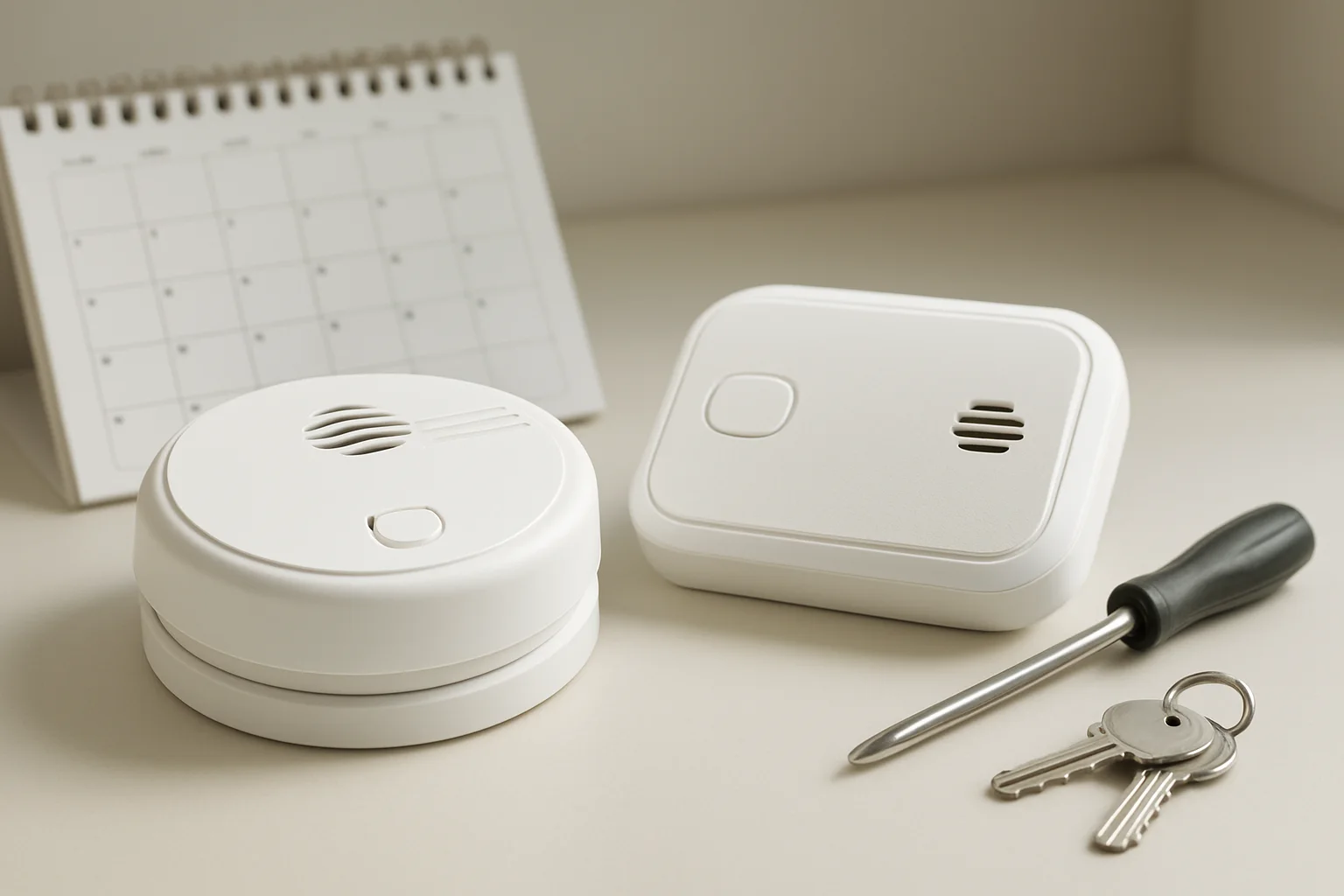
Why smoke and carbon monoxide protection deserves a seasonal plan
For Northwest Florida homeowners, smoke detector and carbon monoxide protection should be treated as part of routine home readiness, not as a one-time project. Homes in Bay, Walton, and Okaloosa counties face a mix of humid air, salt influence near the coast, storm season disruptions, and year-round use of appliances that can create elevated risk when equipment is aging or poorly placed. A seasonal approach helps homeowners think ahead about battery checks, device replacement, and changes in the household that may affect where alarms should be installed. It also keeps the work from being postponed until there is a problem. That matters because these systems are designed to warn people early, and early warning only works if the devices are present, correctly located, and functioning as intended.
Smoke and carbon monoxide alarms are often mentioned together, but they protect against different dangers. Smoke alarms respond to fire conditions, while carbon monoxide alarms detect an odorless gas that can come from fuel-burning equipment. Because both risks can occur quietly, a homeowner’s best protection is a layered plan: properly installed alarms, regular testing, timely replacement, and a professional assessment when the home layout, appliance setup, or occupancy changes. In the same way homeowners schedule HVAC tune-ups or roof inspections, alarm planning works best when it is scheduled before the season changes rather than after a weather event or equipment failure.
Understanding what each device does and where it matters
Smoke alarms are intended to provide early warning so people can evacuate before conditions become dangerous. In a home, that can mean the difference between a small incident and a fast-moving emergency. Carbon monoxide alarms serve a different purpose: they detect a gas that cannot be seen or smelled, which makes human senses unreliable for spotting a problem. Fuel-burning furnaces, water heaters, ranges, fireplaces, generators, and other equipment can all be part of the discussion, depending on the home’s design and energy sources. In Northwest Florida, homes vary widely from newer coastal construction to older houses with additions, garages, and remodeling changes, so a one-size-fits-all placement strategy is not ideal.
A professional assessment looks at the entire living environment rather than only counting alarms. That means considering sleeping areas, hallways, attached garages, mechanical rooms, appliance locations, and ceiling height. It also means confirming whether the home needs interconnected alarms, hardwired units, battery backup, or a combination based on current conditions and local code requirements. Homeowners should not assume that one alarm near a kitchen or one device in a hallway is enough. Coverage should be based on layout, manufacturer instructions, and professional judgment. Proper planning reduces blind spots, helps avoid nuisance alarms, and improves the odds that the system performs when needed.
How Northwest Florida conditions affect alarm performance
Humidity is a year-round reality in Northwest Florida, and moisture can influence electronic devices over time. Even when alarms are indoors, the local environment can contribute to corrosion, dust accumulation, or short service life if the devices are older or poorly located. Coastal homes may also deal with salt-laden air that can be harder on electrical components than drier inland environments. This does not mean alarms fail quickly in every home, but it does mean seasonal checks are especially useful. A device that seems fine in a mild climate may need more attention in a humid, storm-prone region. Homeowners benefit from treating alarm care as part of overall home maintenance, like checking seals, filters, and weather protection.
Seasonal weather can also affect how families use the home. During hurricane season, windows may stay closed and portable generators may be used more often after outages. In cooler months, fireplaces, space heaters, and fuel-burning appliances may be used differently than in summer. Any shift in appliance use is a reason to review where alarms are installed and whether the system still fits the home. A professional can evaluate whether airflow patterns, ceiling fans, remodels, or enclosed spaces are changing how alarms should be placed. This kind of review is especially valuable in homes that have been added onto or updated in stages, because the original alarm layout may no longer match the current floor plan.
The right time to evaluate alarms in a seasonal cycle
A seasonal planning calendar helps homeowners avoid gaps in protection. Many people choose to review alarms when clocks change, during hurricane preparation, at the start of cooler weather, or during a routine spring home maintenance visit. The exact timing matters less than the consistency. By linking alarm checks to recurring household habits, owners are more likely to remember testing, replacement timing, and any needed service. This is especially helpful for households with renters, vacation property use, seasonal occupancy, or family members who travel frequently. A home that is empty for stretches of time still needs reliable alarm coverage when occupied.
A seasonal assessment should include more than pressing the test button. Homeowners should confirm that each device is in the intended location, listen for the alarm pattern, and note any chirping, silence, or error signals. They should also review the age of the units, because alarms do not last indefinitely even when they appear to work. If a home has experienced remodeling, electrical updates, ceiling changes, or new appliance installation, that is another good time to schedule a professional evaluation. The point of seasonal planning is to catch issues before they become urgent. For homeowners in Bay, Walton, and Okaloosa counties, that usually means having a simple routine that aligns with the rhythms of storm season, holiday cooking, and family travel.
Signs that professional assessment is overdue
Many homeowners wait until an alarm chirps before paying attention, but a chirp is only one sign that a broader review may be needed. Frequent false alarms, inconsistent beeping, dead batteries that return quickly, or alarms that seem placed far from sleeping areas are all reasons to take a closer look. If a smoke alarm goes off too easily from normal cooking or steam, it may be the wrong type, the wrong location, or a device nearing the end of its service life. If a carbon monoxide alarm activates without a clear explanation, it should be treated seriously and investigated promptly by the appropriate emergency and service professionals. In either case, repeated problems mean the system deserves assessment rather than guesswork.
A professional can determine whether the issue is related to placement, wiring, device selection, or environmental conditions. Homeowners may not realize that an alarm can appear functional while still being poorly matched to the room or home layout. They may also not know whether one failed unit indicates broader replacement is due across the house. A proper evaluation looks at the full network, not just the single problem device. This matters because alarms are often installed in clusters and should be coordinated for best coverage. When devices age together, it is common for more than one to need replacement around the same time. Having a qualified electrician review the system saves time and reduces the risk of solving one issue while leaving another unresolved.
What a professional installation review should include
A professional installation review is more than mounting a device in a convenient spot. It starts with evaluating the home’s floor plan, existing wiring, sleeping areas, attached garage, mechanical equipment, and any rooms added through remodeling. The technician should also consider manufacturer requirements and current code expectations for the type of alarm being installed. In some homes, the best solution may involve replacing older units, adding interconnected alarms, or relocating devices so that warning is more effective. The goal is not simply to meet a minimum count but to create meaningful coverage throughout the home.
During a careful assessment, the electrician can also identify practical issues that homeowners may overlook. These can include difficult ceiling conditions, outdated electrical boxes, incompatible wiring, or areas where a device would be too close to a bathroom, kitchen, vent, or fan. A good professional will explain why a placement is recommended and what tradeoffs exist if the home’s structure limits options. That explanation is important because alarm performance depends on both the device and the environment around it. For homeowners, professional installation offers peace of mind that the system is not only present but thoughtfully arranged. It also reduces the chance that alarms will be installed in locations that create nuisance alerts or fail to provide timely warning where people sleep.
Why location matters more than many homeowners realize
Alarm location is one of the most important parts of the system. A smoke alarm in the wrong place can be too slow to warn sleeping occupants or too sensitive to normal household activity. A carbon monoxide alarm that is not placed appropriately may not offer the intended level of coverage. The right location depends on room use, ceiling shape, nearby appliances, airflow, and the home’s overall layout. Hallways, bedrooms, common living spaces, and areas near fuel-burning equipment often need special attention. Homes with multiple levels or additions should be reviewed carefully because air movement and room separation can create pockets where warning is less effective.
Homeowners often ask why one alarm cannot simply cover the whole house. The answer is that different rooms behave differently. Steam from a bathroom, smoke from cooking, or air from fans and vents can affect how a device responds. In some cases, a room that seems convenient for placement is actually a poor choice because it will create nuisance alarms or delay detection. Professionals evaluate these details based on the home itself, not on a generic rule. That is especially important in Northwest Florida homes where construction styles vary and ceiling configurations may change from one part of the house to another. Correct placement is a practical safety decision, not a cosmetic one, and it is one of the best reasons to have an experienced electrician handle the assessment.
Common homeowner mistakes that reduce protection
A frequent mistake is assuming that newer alarms need no further attention. Even modern devices require testing, occasional cleaning, and eventual replacement. Another common issue is leaving older alarms in place because they still chirp when tested. Testing only confirms that the device can sound at that moment; it does not guarantee the unit is correctly located or still within its useful life. Some homeowners also remove batteries to stop nuisance alerts and forget to restore them. That creates an obvious gap in protection. Others install devices too close to kitchens or bathrooms, which can lead to frequent false alarms and cause people to ignore them over time. None of these mistakes are intentional, but all can lower safety when the home needs warning most.
Another mistake is overlooking interconnectedness. If alarms are not tied together in the proper way for the home’s electrical system, an event in one area may not be heard throughout the house. Homeowners may also forget to revisit alarm placement after remodeling, finishing a garage, converting a room, or adding a new appliance. In coastal Florida homes, small changes can have large effects on air movement and room use. A professional can help prevent these errors by reviewing the system as a whole. That includes checking whether the right type of alarm is being used, whether any units are in the wrong location, and whether replacement is needed on a schedule rather than after a failure. Avoiding these mistakes is often less expensive in time and stress than reacting to a problem later.
How seasonal storms and power disruptions fit into the picture
Storm season is a major reason to keep alarm planning current in Northwest Florida. Power outages, temporary generator use, and humidity changes can all affect how households operate. During a storm response, people may use portable equipment, close up the home, or shift sleeping arrangements. These changes can affect the practical value of existing alarm placement. A carbon monoxide alarm becomes especially important whenever fuel-burning equipment or generators are used. Homeowners should never assume that a storm-related outage is only an inconvenience; it can change the safety profile of the home until normal service returns. Seasonal planning helps make sure alarms are ready before the first major weather event arrives.
The best time to think about these issues is before the storm, not during it. Homeowners should know which devices are present, where they are located, and whether they are still in working order. If a home has been affected by leaks, roof damage, or electrical repairs after a storm, alarm assessment should be part of the recovery conversation. Moisture intrusion and electrical work can both affect safety systems indirectly. Even if the alarms themselves were not damaged, the surrounding conditions may have changed enough to warrant a professional review. In that sense, storm planning and alarm planning are connected. A well-maintained alarm system is part of a broader readiness strategy that supports occupant safety throughout the year.
Replacing outdated alarms before they become a liability
Smoke and carbon monoxide alarms have a finite service life. Homeowners should not rely on appearance alone to judge whether a unit is still suitable. Yellowing plastic, outdated features, recurring chirps, or lack of clear age information are signs that the device may be due for replacement. Because many alarms age at similar rates when installed at the same time, one replacement may lead to several. That is not necessarily a bad thing. Replacing aging units together can simplify maintenance and give the home a more consistent system. A professional can help determine whether the right move is one replacement, a partial update, or a broader change across the home.
Replacement decisions should also consider whether current alarms match the home’s needs. Older devices may not offer the features or installation options that better fit today’s layout. If the home has undergone renovations or changes in occupancy, the previous alarm arrangement might no longer be ideal. It is better to address that during a scheduled review than after a false alarm or a missed warning. For homeowners, the benefit of a planned replacement is clarity. You know what has been updated, why it was updated, and how the system now fits the home. A professional electrician can explain the options clearly without pushing unnecessary changes, which helps homeowners make decisions based on safety and function rather than guesswork.
What homeowners can safely do themselves and what should be left to professionals
Homeowners can usually handle basic awareness tasks such as listening for chirps, checking whether alarms sound during a test, and keeping a simple record of installation dates if that information is available. They can also make sure alarms are not blocked by furniture, dust buildup, or obvious obstructions. These are useful habits, but they are not a substitute for a professional assessment. The homeowner’s role is to observe and report, not to improvise electrical work or reconfigure a safety system without training. Because these devices are connected to home wiring and code requirements in many cases, an incorrect approach can create hidden problems even if the alarm seems to function afterward.
Professional work becomes important whenever wiring, placement changes, system upgrades, or repeated false alarms are involved. A qualified electrician can evaluate whether the alarm type suits the room, whether hardwired units need replacement, and whether the home’s layout supports proper coverage. They can also explain the differences between device styles and help the homeowner understand what is appropriate for the property. This is especially valuable in homes with older wiring, prior additions, or mixed generations of equipment. There is comfort in knowing the system was reviewed by someone who understands how the pieces work together. That kind of assessment is not about replacing the homeowner’s awareness; it is about making sure their awareness is backed by a system designed and installed correctly.
Planning ahead with a local electrical partner
Homeowners in Bay, Walton, and Okaloosa counties benefit from working with a local company that understands the region’s housing styles, weather patterns, and maintenance needs. 850 Electrical, part of veteran-owned A Superior Mechanical, serves the area with electrical services that can support smoke detector and carbon monoxide installation planning, assessment, and related home safety needs. Because alarm protection is tied to the whole electrical and living environment, a local professional can help homeowners think through seasonal timing, replacement planning, and the best locations for coverage in a specific home. The value is not just in the installation itself but in the guidance that comes with it.
If your home has changed, if your alarms are aging, or if you are preparing for a season of storms, holiday cooking, or extended time away, it is wise to schedule a professional evaluation. A careful review can uncover weak spots before they matter and help you feel confident that the system is suited to your home as it exists now. For homeowners who want a practical next step, calling 850-258-3225 is a straightforward way to begin that conversation. A seasonal plan does not require complexity. It only requires attention, routine follow-through, and a professional when the system needs to be assessed properly. That is often the simplest path to reliable protection.
Building a simple year-round checklist for lasting protection
A practical checklist makes alarm care easier to remember. Start with knowing how many smoke and carbon monoxide alarms are in the home and where they are located. Then note when they were last tested, whether any have chirped or malfunctioned, and whether any areas of the home have changed due to remodeling or appliance updates. If you do not have reliable installation dates, that alone is a reason to have the system reviewed. This kind of record does not need to be complicated. A note in a home maintenance binder or a phone reminder can help keep the system on track. The point is consistency, not paperwork for its own sake.
From there, tie alarm review to recurring seasonal events. Before storm season, after major weather, at the start of cooler months, or when clocks change are all reasonable times to check in. If the home has occupants with different schedules, responsibilities can be shared so the task is not forgotten. Most importantly, remember that alarm care is preventive. It works best when the system is checked before a problem, not after. That preventive mindset is especially useful in Northwest Florida, where weather, humidity, and lifestyle changes can shift the risk profile over the course of a year. A well-planned alarm system is one of the most important quiet protections a home can have, and a seasonal routine helps it stay dependable.
Explore related electrical care
- Smoke Detector & Carbon Monoxide Installation
- Electrical Installation
- EV Charger Installation
- Indoor Lighting Installation, Repair & Upgrades
- Kohler Generator Installation
- Lighting & Fixture Installation
Continue reading
- Smart Electrical Panel Installation for Northwest Florida Homes: Preventive Care and Seasonal Planning
- Outlet and Switch Installation in Northwest Florida: Preventive Care and Seasonal Planning for Safer, More Reliable Homes
- Whole-Home Backup Power Planning for Northwest Florida Homes: Seasonal Maintenance and Preventive Care
Talk with the 850 Electrical team for help with your home or business.