
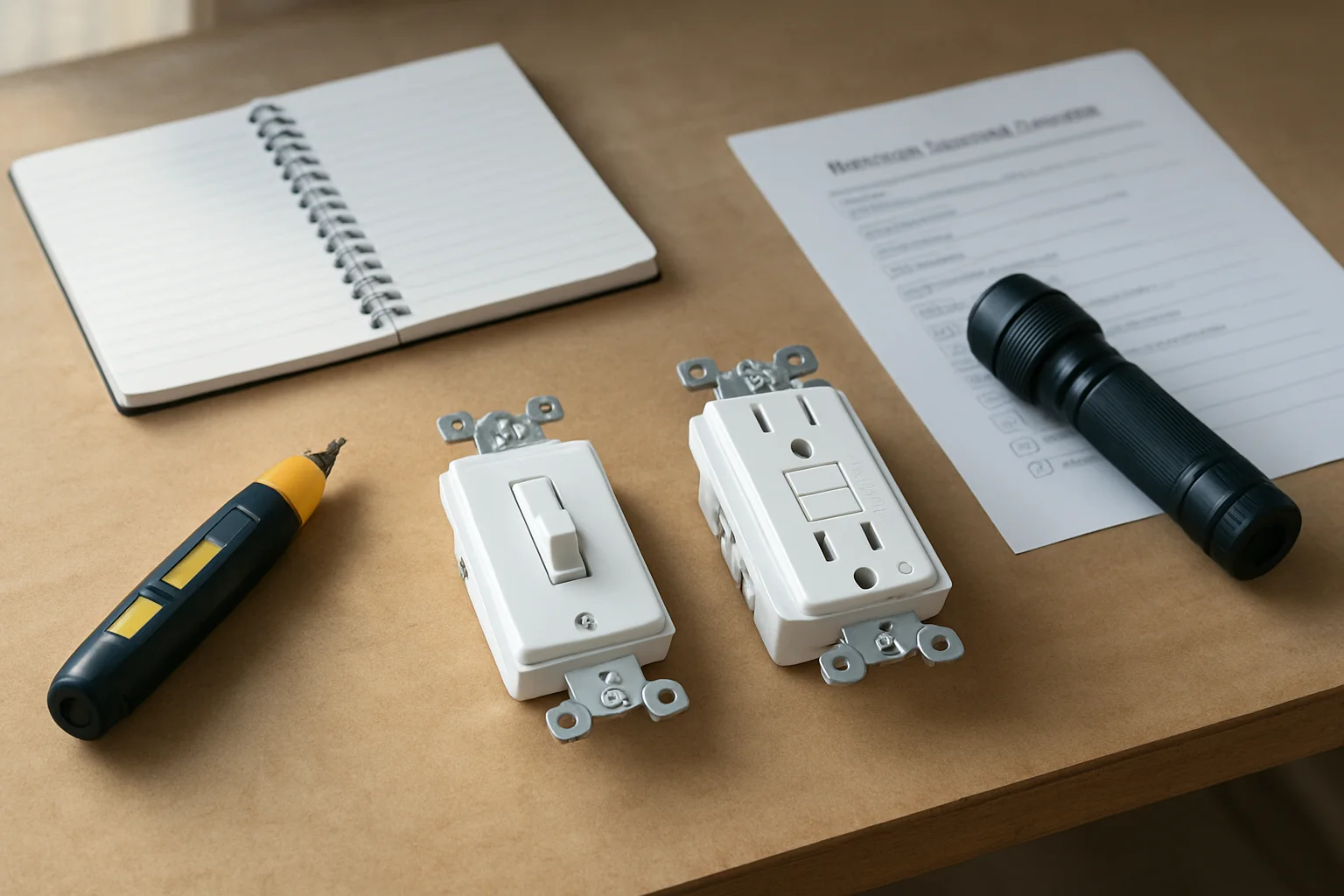
Why outlet and switch planning matters in Northwest Florida
Outlets and switches do more than make a house convenient. They support daily routines, protect connected equipment, and help keep electrical use organized as a home ages. In Northwest Florida, where homes can face long cooling seasons, humidity, lightning exposure, and shifting occupancy patterns around holidays or storm season, outlet and switch condition deserves regular attention. Small issues can build slowly: a loose receptacle, a dimmer that no longer matches the load, or a switch that feels warm can all be early signs that a room needs professional evaluation rather than another quick workaround. For homeowners, preventive planning is often easier and less disruptive than waiting until a device fails or a breaker trips repeatedly.
A thoughtful approach starts with understanding that outlet and switch installation is not only about adding a device where one is missing. It is also about placing the right type of device in the right location, verifying circuit capacity, confirming grounding and box condition, and making sure the finished installation fits the room’s use. Kitchens, bathrooms, garages, laundry rooms, covered porches, and exterior walls all have different demands. Seasonal planning helps homeowners think ahead about how spaces will be used during holidays, summer heat, school schedules, and hurricane preparedness. A professional assessment can identify whether a room needs more convenience, better load distribution, or replacement of aging parts before those issues turn into outages or safety concerns.
Common signs an outlet or switch needs attention
Many homeowners notice electrical trouble only when a device stops working, but there are earlier warning signs worth taking seriously. A switch that crackles, an outlet that feels loose when a cord is inserted, discoloration on a wall plate, or a warm cover plate can all indicate a problem that should not be ignored. So can flickering lights caused by a worn switch connection, a receptacle that no longer holds plugs firmly, or a breaker that trips every time a certain appliance is used. These symptoms do not always mean the same thing, but they do mean the system should be inspected before the issue spreads or worsens. In some cases, the outlet or switch itself is failing; in others, the issue lies in the wiring, box, circuit load, or upstream connection.
It is also wise to watch for changes that seem small but happen repeatedly. If a cord keeps slipping out of an outlet, if a switch requires a harder press than it used to, or if a bedroom or hallway outlet no longer powers devices reliably, the problem may be progressive. Homes in coastal and humid climates can also experience accelerated wear on devices and connections, especially in areas that see frequent use or exposure to damp air. A professional electrician can test the circuit, inspect the device and enclosure, and determine whether replacement, circuit adjustment, or a larger upgrade is the safest path. Preventive attention is especially useful because it can catch hidden wear before it becomes a nuisance or a hazard.
How Northwest Florida weather affects electrical devices
Northwest Florida homeowners know that weather influences the home in visible ways, but it can also affect electrical devices behind the scenes. Heat, humidity, salt-laden air closer to the coast, and thunderstorms can all contribute to wear over time. High humidity may not cause a visible failure immediately, yet it can encourage corrosion at terminals or reduce the lifespan of some components, especially where older devices are already stressed. When temperatures stay high for long periods, air conditioning and fans can keep circuits busy for months, which means outlets and switches are being used under steady demand rather than occasional load. That constant use can reveal weak connections or outdated parts sooner than a mild climate might.
Storm season adds another layer of planning. Lightning events, brief outages, and power fluctuations can make already fragile devices more noticeable. After a storm, a homeowner may notice that a switch behaves differently, an outlet no longer holds a plug, or a room’s lighting is less stable than before. Those changes deserve professional review, not assumption. Even if the home seems otherwise unaffected, a licensed electrician can look for heat damage, loose terminations, weakened devices, and signs that a circuit has been stressed. Seasonal planning is especially helpful in this region because it lets homeowners prepare before peak weather arrives rather than reacting during a busy or uncomfortable time. A proactive inspection can help a home stay ready for summer cooling, holiday guests, and storm-related interruptions.
Choosing the right outlet or switch for the room
Not every outlet or switch fits every location. A basic replacement may be appropriate in one room, while another area may benefit from a different device type, a different mounting solution, or a more thoughtful layout. Kitchens and bathrooms often need special consideration because of moisture, appliance use, and how people move through the space. Exterior or garage areas may need durable device placement and protection suited to the environment. Hallways, bedrooms, and living spaces may call for better lighting control, more convenient switching, or outlets positioned to reduce the need for extension cords. The correct choice depends on the room’s purpose, the existing wiring, and local code requirements. A professional assessment helps match the device to the actual conditions instead of relying on one-size-fits-all assumptions.
Homeowners sometimes think of outlet or switch installation as a cosmetic upgrade, but function matters just as much as appearance. A poorly placed switch can make a room awkward to use. An outlet that is too few in number can lead to cluttered cords and overloaded power strips. A dimmer installed on an incompatible fixture may create performance issues or shorten equipment life. Outdoor outlets need different protection than interior ones, and rooms near sinks or laundry appliances require careful planning for safe placement and code compliance. A qualified electrician can explain options in plain language, outline what the current circuit can support, and recommend an installation that serves the room for the long term. That makes the project more useful and more dependable from day one.
What a professional assessment includes
A professional assessment is the foundation of good outlet and switch installation. It begins with a review of the existing setup, including the condition of the device, the wall box, the wiring, the breaker, and nearby loads. The electrician looks for signs of wear, loose fit, overheating, improper device type, or evidence that the current setup no longer suits the room. They also consider how the circuit is used throughout the home. A device that looks simple from the outside may be part of a circuit that already carries too much demand. Without that broader view, a homeowner may replace one outlet or switch and still leave the underlying issue unresolved.
Assessment also includes checking whether the installation location is appropriate and whether any code-related requirements affect the project. That can involve evaluating grounding, polarity, box fill, moisture protection, and compatibility with modern electrical devices. The goal is not just to make the device work, but to make it safe, durable, and appropriate for the space. In older homes, professional evaluation is especially important because previous repairs, renovations, or additions may have left mixed wiring conditions behind walls. Rather than guessing, an electrician can identify what needs to be repaired, updated, or replaced. For homeowners, that clarity is valuable because it turns a vague concern into a practical plan with a clear next step.
Outlet and switch upgrades that improve daily life
Many homeowners seek outlet and switch installation because they want more convenience, but the right upgrade can also improve organization and reduce strain on the home’s electrical system. Adding a needed outlet in a room can reduce reliance on long cords and power strips. Replacing an outdated switch can make lighting easier to use and more consistent. In rooms where multiple devices are used, a better outlet layout can help distribute plugs more intelligently so one area does not become the default hub for everything. In households that expect more guests during holidays or seasonal visits, these improvements can make a noticeable difference in comfort and usability.
Some upgrades are about future readiness rather than immediate repair. A homeowner may want a bedroom, office, or living area prepared for changing technology, more charging needs, or new furniture placement. Others may want improved control over porch lighting, pantry lights, laundry room visibility, or garage use. Even modest changes can make a house feel more functional when they are planned around actual habits. A professional electrician can help identify which rooms would benefit most from added outlets or more practical switch placement, and which upgrades should wait until other issues are addressed first. That kind of sequencing helps homeowners invest in the right improvements in the right order, avoiding unnecessary patchwork work that still leaves the home less convenient than it should be.
Why older homes deserve extra attention
Older homes often have a mix of original devices, replaced components, and past repairs that may not match current expectations. Some outlets may still function, but that does not mean they are the best fit for present-day use. Switches can become loose with age, device faceplates may not sit flush, and older wiring conditions can make later upgrades more complex than they appear. In many homes, outlets and switches were installed for a different lifestyle, with fewer electronics and less continuous electrical demand. As families add more charging needs, entertainment devices, kitchen appliances, or home office equipment, the original setup may begin to feel strained. That is when preventive attention becomes especially valuable.
Older devices also deserve closer inspection because wear may not be obvious from the outside. A receptacle may appear intact while internal contacts have weakened. A switch may still operate but show early signs of heat or instability. In some cases, the surrounding box or wiring condition matters more than the visible cover plate. Professional evaluation is especially important before replacing devices in older homes because a simple swap can uncover limitations in the circuit or mounting that require a different approach. Homeowners benefit from having an electrician examine the bigger picture, including whether the installation should stay the same, be relocated, or be part of a broader electrical refresh. This is one of the most effective ways to avoid repeated repairs and inconsistent performance.
Seasonal planning before summer heat and storm season
Seasonal planning gives homeowners a chance to prepare outlets and switches before demand peaks. In Northwest Florida, that often means thinking ahead to long cooling months, humidity, increased indoor time, and the possibility of storms. Before summer arrives, it is sensible to consider whether rooms used most often have enough outlets, whether lighting controls are easy to operate, and whether any devices already show wear. A professional electrician can help homeowners prioritize the spaces that matter most, such as main living areas, bedrooms, home offices, laundry rooms, and covered outdoor areas where people spend more time when weather is warm.
Storm preparation is also part of seasonal electrical planning, though it should not be confused with emergency improvisation. Homeowners should not wait until an outage or storm warning to discover that an outlet is failing or a switch is unreliable. Proactive service allows issues to be corrected under normal conditions, when the work can be evaluated carefully and scheduled without pressure. It also helps homeowners think through practical needs, such as lighting access during outages, convenience in rooms used as temporary gathering spaces, and the reliability of commonly used circuits. The goal is not to overcomplicate the home; it is to make sure outlets and switches support everyday life and seasonal changes without added stress.
Interior rooms that often benefit from improvements
Certain areas of the home commonly reveal the need for outlet or switch installation more quickly than others. Kitchens often have crowded countertops and multiple appliances, which can make outlet placement and function especially important. Living rooms may need better switch placement to improve lighting control, especially if furniture arrangements have changed over time. Bedrooms often benefit from more convenient outlet access near beds, desks, or charging areas. Laundry rooms, mudrooms, and hallways can also become frustrating if controls are not where they are most useful. The best installation is not always the most visible one; it is the one that fits how the room is actually used.
As homeowners adjust their spaces seasonally, these issues become more obvious. A guest room may turn into a remote work area, or a den may be used more heavily during holiday gatherings. In those cases, a poorly planned outlet or switch layout can become a daily inconvenience. Professional installation allows the homeowner to improve the room in a way that feels integrated rather than improvised. An electrician can examine which walls are suitable, whether the box location is practical, and how the device will interact with the room’s furniture and lighting. That kind of planning is useful because it turns a small electrical job into a lasting improvement in comfort and function, not just a quick fix for one annoyance.
Exterior and covered-area considerations
Outdoor and semi-outdoor areas require special care because they face moisture, temperature swings, and heavier environmental exposure than interior spaces. Covered porches, patios, garages, and utility areas can all benefit from properly selected outlets and switches, but those installations need to be appropriate for the location. An outdoor device that is fine inside may not be the right choice near weather exposure, damp air, or frequent temperature changes. That is why homeowners should not assume that any outlet or switch replacement will serve outside areas equally well. Proper placement, device type, and enclosure condition all matter.
These spaces are especially important in Northwest Florida because they are often used for seasonal living. Homeowners may spend more time on porches in mild weather, use garages more frequently when organizing storm supplies, or rely on outdoor outlets for landscape or holiday lighting. A professional electrician can evaluate whether existing devices are suitable and whether the area needs a safer, more durable solution. The assessment may also identify if the location itself should be reconsidered to improve convenience and reduce exposure. For homeowners, the benefit is not only better function, but also greater confidence that the installation is being handled with the environment in mind rather than treated like an ordinary interior job.
When to call a licensed electrician instead of waiting
Some electrical concerns are better handled sooner rather than later. If a switch buzzes, an outlet is loose, a device is discolored, or a breaker repeatedly trips with ordinary use, waiting usually increases the chance that the problem becomes more complicated. Even if the issue seems small, the safest approach is to have a licensed electrician inspect it. That does not mean every symptom is an emergency, but it does mean the homeowner should not assume the problem will simply go away. Electrical wear tends to progress, and the visible sign is often only part of the story.
Calling a professional is also the right choice when a home needs a new outlet or switch in a location that may involve code considerations, moisture exposure, older wiring, or higher demand. A homeowner may know what is inconvenient, but an electrician can determine what is actually feasible and safe. That distinction matters. Professional assessment reduces guesswork, and it helps ensure the finished installation is dependable rather than merely functional for the moment. If the homeowner is unsure whether a room needs a repair or an upgrade, that uncertainty alone is a good reason to schedule an evaluation. It is often easier and more efficient to address concerns before they interrupt routines or create avoidable risk.
How 850 Electrical supports homeowners in Bay, Walton, and Okaloosa counties
For homeowners in Bay, Walton, and Okaloosa counties, reliable outlet and switch installation is part of keeping a home comfortable and ready for changing seasons. 850 Electrical, part of veteran-owned A Superior Mechanical, serves this region with residential electrical help centered on practical needs and professional evaluation. Whether the project involves replacing a worn device, adding convenience in a lived-in room, or planning improvements ahead of seasonal demand, the most useful first step is a careful assessment of the existing electrical conditions. That approach helps identify what should be corrected, what can remain in place, and what type of installation best fits the home.
Homeowners who want to discuss outlet or switch concerns can reach 850 Electrical at 850-258-3225. A clear conversation about symptoms, room use, and seasonal needs can help determine the next step without turning the process into guesswork. For preventive care, the goal is simple: make electrical features work the way the home needs them to work, before small issues become bigger interruptions. In a region where weather, family schedules, and home usage all change through the year, that kind of planning is one of the smartest ways to protect comfort and day-to-day reliability.
Explore related electrical care
- Outlet & Switch Installation
- Electrical Installation
- EV Charger Installation
- Indoor Lighting Installation, Repair & Upgrades
- Kohler Generator Installation
- Lighting & Fixture Installation
Continue reading
- Smoke Detector and Carbon Monoxide Installation for Northwest Florida Homes: Seasonal Planning and Preventive Care
- Smart Electrical Panel Installation for Northwest Florida Homes: Preventive Care and Seasonal Planning
- Whole-Home Rewiring for Northwest Florida: Preventive Planning for a Safer, More Reliable Home
Talk with the 850 Electrical team for help with your home or business.