
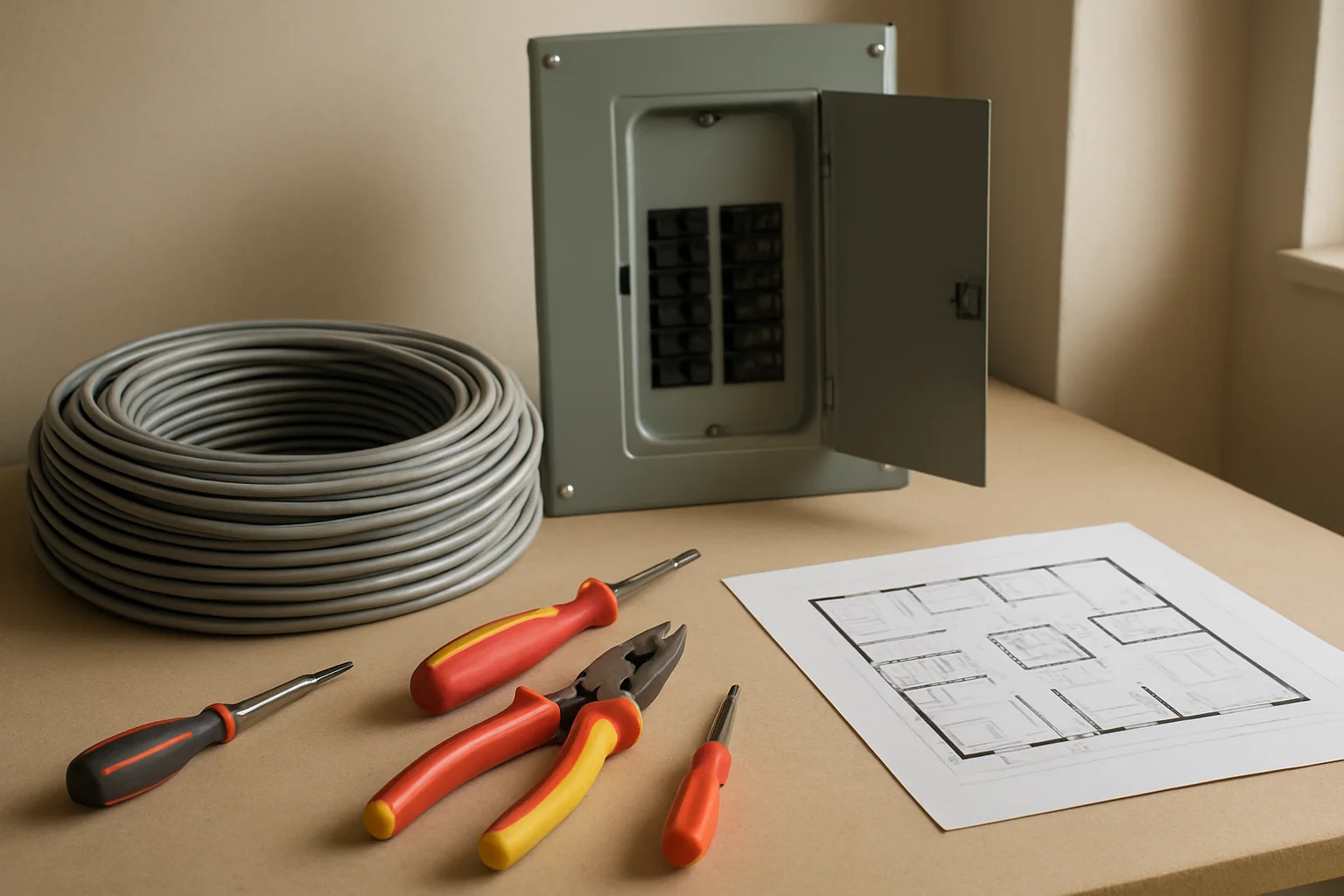
Why whole-home rewiring deserves preventive attention
Whole-home rewiring is not something most homeowners think about until a light flickers, a breaker trips repeatedly, or an outlet stops working the way it should. In Northwest Florida, where homes face humidity, salt air, thunderstorms, and long cooling seasons, wiring can experience more stress than many people realize. Electrical systems are hidden behind walls, so signs of wear often show up indirectly. That is why preventive attention matters. A home’s wiring is not just about convenience; it supports safety, comfort, and the steady operation of appliances, HVAC equipment, lighting, and electronics.
A whole-home rewire is a major project, but it is also a long-term investment in a home’s function and safety. Older wiring may not match modern electrical demands, and even homes that appear to be working fine can have outdated components, aging insulation, or circuits that are no longer sufficient for current usage. Seasonal planning helps homeowners think ahead instead of reacting in an emergency. A professional assessment can determine whether the system needs targeted updates, a partial rewire, or a full replacement based on the actual condition of the home and its electrical load.
How Northwest Florida climate affects home wiring
Northwest Florida’s climate can be hard on electrical systems in ways that are not always obvious. High humidity can contribute to corrosion in certain components, especially in older homes or in spaces with less air circulation such as attics, crawl spaces, garages, and utility rooms. Seasonal storms can also introduce voltage fluctuations or damage from lightning-related surges, even when the damage is not immediately visible. Over time, repeated weather stress can take a toll on receptacles, panel components, connections, and insulation around wiring.
Temperature swings and persistent cooling use also matter. Air conditioners, dehumidifiers, sump pumps where present, refrigerators, and other major appliances often run heavily during warm months. That demand can reveal weaknesses in older circuits or undersized service capacity. Homeowners may notice symptoms that seem small at first, such as dimming lights when equipment starts, warm outlet covers, or a need to reset breakers too often. Those clues do not automatically mean the whole system must be replaced, but they do point to the need for a professional evaluation. In a coastal and storm-prone region, planning ahead is usually safer and less disruptive than waiting until the next busy season exposes a bigger issue.
Common signs a home may need rewiring
There is no single symptom that proves a house needs a whole-home rewire, but several warning signs together can suggest the system is aging or no longer meeting the home’s needs. Frequent breaker trips, outlets that feel loose, visible scorch marks, buzzing sounds from switches, and lights that flicker without an obvious reason are all worth attention. So are two-prong outlets in a home that relies on modern electronics, extension cords used as a permanent solution, and circuits that cannot support everyday appliances without issue. In older homes, outdated wiring types or deteriorating insulation may also be found during inspection.
Some signs are more subtle. A homeowner might notice that certain rooms seem to have less reliable power than others, or that the home uses multiple power strips to compensate for insufficient outlets. That does not always mean a full rewire is necessary, but it does suggest the home should be evaluated as a system rather than one outlet at a time. Professionals look for the pattern behind the symptoms: age of the wiring, panel condition, grounding, load balance, and whether the current setup can safely support today’s electrical demand. A careful assessment can separate isolated repair needs from a broader rewiring plan.
Age alone does not decide the answer
Many homeowners assume a certain home age automatically means rewiring is required. In reality, age is only one factor. A well-maintained electrical system may last longer than expected, while a younger home may still need substantial updates if it was built with materials or methods that no longer suit current standards. The condition of the wiring, the quality of past repairs, changes in occupancy, and the number of appliances now being used all influence the decision. The key is not the calendar alone, but the relationship between the system and the home’s present-day demands.
This is why professional assessment matters more than guessing. An electrician can inspect accessible parts of the system, review the panel, evaluate circuit loading, identify outdated components, and look for signs of heat, corrosion, or deterioration. If the home has been remodeled in stages, older wiring may be mixed with newer additions, creating uneven performance or hidden compatibility concerns. A homeowner may only see one flickering light or one tripping breaker, while the broader issue is that the home’s wiring is no longer organized around a safe, balanced electrical plan. The right diagnosis helps avoid unnecessary work while still addressing real risks.
What a professional electrical assessment includes
A professional assessment is the starting point for any responsible rewiring decision. It usually begins with a discussion of what the homeowner has noticed: breakers tripping, warm devices, odor, buzzing, dimming, or problems tied to specific rooms or appliances. The electrician then inspects accessible electrical components, including the service panel, selected outlets, switches, visible wiring routes, grounding elements, and any areas where damage or wear is suspected. In some homes, the evaluation also considers the age and condition of past modifications, such as additions, kitchen updates, or bathroom remodels.
The goal is to understand the system as a whole, not simply replace parts at random. A professional can determine whether the home needs targeted repairs, circuit additions, panel upgrades, or a full rewiring plan. This kind of assessment also helps identify factors homeowners may not realize matter, such as overcrowded circuits, improper splices, or outdated materials that do not match current needs. Because electrical work interacts with walls, insulation, appliances, and safety devices, the best rewiring plans are designed around the home’s layout and usage patterns. A thorough assessment gives homeowners a practical path forward and a realistic sense of priority, so urgent issues can be addressed first.
Why seasonal planning works well in Northwest Florida
Seasonal planning gives homeowners a way to schedule electrical improvements before weather and household demands reach their peak. In Northwest Florida, the year often includes long cooling periods, storm concerns, holiday gatherings, and heavy appliance use. A rewiring project planned with these cycles in mind can be less disruptive than a rushed emergency response. Homeowners can use quieter periods to assess the electrical system, plan upgrades, and schedule work in a way that reduces strain on the home. This approach also allows more time to coordinate access to rooms, attic spaces, or crawl spaces if needed.
Seasonal planning is especially helpful because electrical problems often become more noticeable at the worst possible times. A home that seems manageable in mild weather may show clear weaknesses when air conditioning is running nearly constantly or when storms cause unstable power conditions. By reviewing the electrical system ahead of peak demand, homeowners can decide whether to improve circuits, replace outdated components, or prepare for a more comprehensive rewire. Preventive scheduling does not mean doing unnecessary work. It means making informed decisions before a small concern becomes a major inconvenience or a safety issue.
Spring and early-summer considerations
Spring is a useful time to think about electrical health because it comes before the heaviest cooling season in many Northwest Florida homes. As temperatures rise, air conditioning systems, fans, refrigeration, and outdoor equipment begin working more often. That increase in electrical load can reveal weaknesses that were not obvious during cooler months. A homeowner who notices dimming lights, tripped breakers, or warm outlets around the time the cooling system starts running more often should take those signs seriously. Spring is also a practical time to inspect outdoor receptacles, porch lighting, and equipment exposed to weather.
Early summer can be a smart window for professional assessment if a home is already showing age-related symptoms. The advantage is not that wiring problems wait politely for a convenient season, but that early attention can prevent emergency disruptions during the hottest months. If a rewire or substantial electrical upgrade is recommended, planning it before peak summer demand may help avoid added stress on the home. It can also give homeowners time to make temporary arrangements if certain rooms or circuits need to be offline during work. For many families, the best spring and early-summer strategy is simply to catch problems early, document symptoms clearly, and schedule a professional inspection before the system is under its heaviest use.
Summer heat, storms, and electrical strain
Summer in Northwest Florida can place heavy pressure on a home’s electrical system. Air conditioners run longer, portable fans may be added, and outdoor living spaces often see increased use. At the same time, thunderstorms and lightning can create surge concerns or cause intermittent power issues. Homes with older wiring may respond to this combination with nuisance tripping, inconsistent performance, or visible stress at outlets and switches. A whole-home rewire is not automatically required because of summer symptoms, but summer is often when hidden issues become hard to ignore.
Homeowners should pay attention to patterns rather than isolated events. If the same circuit struggles whenever the AC, kitchen appliances, and laundry are all active, that may indicate a load issue or outdated branch wiring. If storms seem to be followed by repeated problems, a broader review of grounding, bonding, and surge protection may be appropriate as part of a larger electrical plan. Professional assessment is valuable here because it can distinguish weather-related events from deeper wiring concerns. Instead of guessing whether a single outage caused damage, an electrician can evaluate whether the system remains sound, whether components are showing age, and whether the home would benefit from updates before the next storm cycle.
Fall maintenance and planning for the heating season
Fall is a good time to reassess the electrical system after the long cooling season and before cooler weather brings a new pattern of household use. Even in Florida, fall can shift how homes are used. People may spend more time indoors, use holiday lighting, or begin relying on different appliances and entertainment equipment. For older homes, this is a practical time to review whether outlets, switches, and circuits are keeping up with everyday life. If summer exposed signs of strain, fall is an ideal season to decide whether repairs, upgrades, or rewiring should be scheduled before the year ends.
Fall planning also helps homeowners look at the bigger picture. A home that has been adapted over time may have electrical needs spread across multiple rooms, and those needs can become more obvious once routines change. A professional can help determine whether the system simply needs targeted improvements or whether a more comprehensive rewire would create a safer and more organized electrical foundation. Taking action in fall can reduce the chance of dealing with electrical surprises during a busy holiday period. It can also provide time to address code-related or safety-related concerns in a thoughtful way rather than in a rush.
Winter and holiday electrical demands
Winter in Northwest Florida is usually milder than in many other parts of the country, but homes still see a change in usage. Space heaters, holiday décor, kitchen equipment, and extra indoor activity can add demand to circuits that are already aging or near capacity. For homes with outdated wiring, winter may reveal problems that were less noticeable during other seasons. A breaker that trips when a heater and another appliance run together, or a circuit that struggles with decorative lighting, should not be treated as a small annoyance if it happens repeatedly. It may be a sign that the electrical system needs professional attention.
Holiday use also tends to bring more temporary connections, more plugged-in devices, and more pressure on living areas where outlets may already be limited. Homeowners should avoid assuming that multiple power strips solve a wiring problem. They may help with convenience, but they do not replace adequate circuit design or safe wiring conditions. If the home feels electrically stretched during holiday use, a professional assessment can help determine whether the issue is simply seasonal demand or part of a broader need for rewiring. The end of the year is often a practical moment to plan ahead for the coming spring and summer as well, especially in a climate where cooling demand will return quickly.
What a whole-home rewire can improve
A whole-home rewire can improve more than just safety. It can also make a home easier to live in. When circuits are planned more intentionally, homeowners may gain better outlet placement, more reliable performance in key rooms, and fewer nuisance interruptions. A well-designed rewiring project can also help support modern appliances, home office equipment, entertainment systems, and charging needs without overtaxing aging circuits. For some homeowners, the biggest benefit is peace of mind: knowing the home’s electrical system is organized, updated, and better suited to current use.
Rewiring can also create a cleaner starting point for future improvements. If a home is being renovated in stages, updated wiring can support later additions like new lighting, kitchen changes, or outdoor living upgrades. Of course, not every home needs a full rewire right away. Sometimes a partial rewire, targeted circuit upgrades, or a panel-related improvement is the more appropriate solution. That is why the professional evaluation matters. The best outcome is not simply the biggest project; it is the right project for the home’s actual condition and the homeowner’s goals. A knowledgeable electrician can help identify what improves function now and what may prevent larger issues later.
How to prepare your home and family for the project
Once a rewiring project is recommended, preparation helps the process go more smoothly. Homeowners should expect that work may involve accessing parts of the home that are normally out of sight, such as attics, wall cavities, closets, utility areas, or exterior penetrations. It can be helpful to think ahead about room access, pets, schedules, and any belongings that may need to be moved to make spaces easier to work in. A professional electrician can explain what parts of the home are likely to be affected and what homeowners can do to support the work without taking on any hazardous tasks themselves.
It is also useful to gather information before the project begins. Notes about recurring breaker trips, outlets that stop working, lights that dim, and appliances that seem to stress the system can help the electrician prioritize the assessment. Homeowners do not need to diagnose the issue themselves. In fact, it is better not to guess at electrical causes or open components without training. Instead, treat the process as a collaboration: the homeowner provides observations, and the licensed professional evaluates the system and recommends a plan. Good preparation makes the project more efficient, reduces surprises, and helps the electrician focus on the areas that matter most for safety and reliability.
Working with a trusted local electrical professional
Choosing the right electrical professional matters because a whole-home rewire is a significant project that affects the home’s structure, function, and long-term safety. Homeowners in Northwest Florida benefit from working with a company that understands regional conditions, common housing types, and the demands created by heat, humidity, and storm seasons. A local professional can better relate wiring concerns to the realities of the area, whether the home is older, remodeled, or simply showing the stress of modern electrical use. The goal is to get a clear assessment, a practical recommendation, and quality work that fits the home’s needs.
850 Electrical, part of veteran-owned A Superior Mechanical, serves Bay, Walton, and Okaloosa counties in Florida and can help homeowners think through whole-home rewiring as part of a broader preventive care plan. Homeowners can call 850-258-3225 to discuss concerns and schedule a professional evaluation. Whether the final recommendation is a full rewire, targeted replacement, or another electrical improvement, the key is to base the decision on an informed assessment rather than on guesswork. For homeowners, that is often the safest and most cost-effective path forward. In a region where seasonal weather and heavy cooling demand can stress electrical systems, having a trusted professional review the home’s wiring can be a smart part of long-term maintenance planning.
Explore related electrical care
- Whole Home Rewiring
- Whole Home Backup Solutions
- Whole Home Surge Protection
- Home Theater & AV Wiring
- Smart Home Integration
- Circuit Breaker Panels & Rewiring
Continue reading
- Whole-Home Backup Power Planning for Northwest Florida Homes: Seasonal Maintenance and Preventive Care
- Outlet and Switch Installation in Northwest Florida: Preventive Care and Seasonal Planning for Safer, More Reliable Homes
- Whole-Home Surge Protection for Northwest Florida Homes: Seasonal Planning, Practical Protection, and When to Call a Professional
Talk with the 850 Electrical team for help with your home or business.