
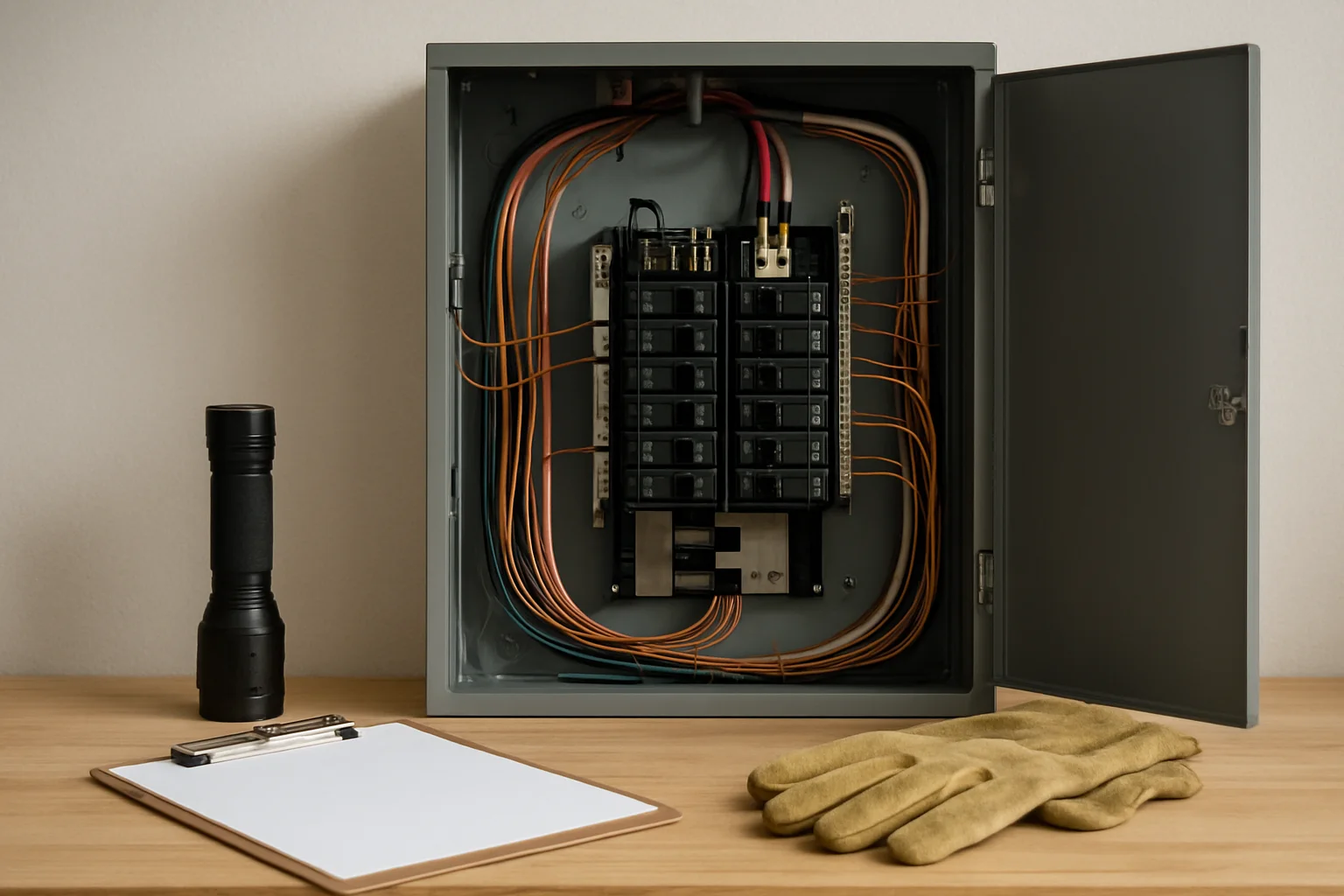
Why panels and wiring deserve seasonal attention
A home’s electrical panel and wiring rarely get the same attention as roofing, HVAC, or plumbing, but they play a central role in everyday safety and comfort. In Northwest Florida, seasonal weather changes, salt air, humidity, lightning activity, and higher cooling demand can all place extra stress on electrical systems. A circuit breaker panel is the control center that distributes power throughout the home, while the wiring behind the walls quietly carries that power where it is needed. When either part begins to age, corrode, overheat, or become overloaded, the symptoms may show up slowly as nuisance trips, flickering lights, warm outlets, or unreliable power in certain rooms.
Preventive care is valuable because electrical problems often develop gradually before they become obvious. Many homeowners notice changes during summer cooling season, when air conditioners, ceiling fans, dehumidifiers, refrigerators, and entertainment systems all run more often. Others discover issues after storm season, when power interruptions or surges reveal weaknesses that had gone unnoticed. The goal of seasonal planning is not to predict every problem, but to reduce risk by recognizing warning signs early and arranging a professional assessment before a small issue becomes a major repair. 850 Electrical, part of veteran-owned A Superior Mechanical, serves Bay, Walton, and Okaloosa counties, FL, and can help homeowners evaluate whether a panel or wiring concern is routine maintenance or a sign of something more serious.
How a circuit breaker panel works in a modern home
A circuit breaker panel receives incoming power from the utility service and divides it into individual branch circuits for lights, outlets, appliances, and larger equipment. Each breaker is designed to interrupt power when the circuit draws more current than it safely should, which helps protect the wiring hidden behind walls. In practical terms, the panel is both a distribution point and a safety device. When it is sized appropriately and in good condition, it helps a home operate smoothly. When it is outdated, mislabeled, overcrowded, or compromised by heat or corrosion, the entire system can become less dependable.
Many homeowners think of breakers only when one trips, but the panel does much more than reset power after an overload. It also reflects how the home’s electrical demand has changed over time. A house that once had basic lighting and a few small appliances may now support multiple televisions, home office equipment, smart devices, electric vehicle charging, hot tubs, or larger kitchen appliances. Seasonal demand in Florida can further increase load, especially when air conditioning runs heavily for long stretches. A professional assessment considers whether the panel still matches the home’s present-day needs, whether there is safe capacity for additional circuits, and whether the equipment shows signs of wear, heat damage, or moisture-related deterioration.
Seasonal stressors unique to Northwest Florida
Northwest Florida homes face environmental conditions that can affect electrical systems in ways homeowners may not immediately connect to wiring. Heat and humidity can accelerate corrosion in metal parts. Salt air near the coast can be especially hard on exposed components and outdoor equipment. Frequent thunderstorms and lightning exposure can create power disturbances, and even when a storm does not strike a home directly, repeated outages and surges can stress sensitive electronics and electrical components. Seasonal pollen, dust, and moisture can also contribute to grime buildup around outdoor equipment, which may make problems harder to spot during a casual visual check.
Summer brings the most obvious electrical demand because cooling systems work harder and longer. That extra load can reveal weak breaker connections, aging breakers, or circuits that were already near capacity. Late summer and fall may bring storm-related interruptions, while winter may expose issues in homes that have been lightly used or closed up for part of the year. Because the region’s weather shifts across the seasons, preventive electrical planning should not be a one-time event. Instead, it should be part of a homeowner’s broader maintenance rhythm, along with HVAC service, gutter cleaning, and storm preparation. A professional electrician can help determine whether seasonal conditions have left visible or hidden effects on the panel or wiring.
Warning signs that deserve a professional evaluation
Some electrical concerns are obvious, while others are subtle. Repeated breaker trips, breakers that will not reset normally, flickering lights, and outlets that stop working in part of the home can all point to circuit issues. If the panel cover feels unusually warm, if there is a burning smell near the panel, or if homeowners see discoloration, rust, moisture, or buzzing sounds, those are signs that a qualified electrician should inspect the system promptly. A breaker should protect the circuit, not become a repeated inconvenience or a source of uncertainty. When the same breaker trips again and again, the cause may be overload, a failing device, or a wiring issue that needs diagnosis.
Other warning signs can appear in everyday use. Lights that dim when appliances start up, outlets that spark, switches that feel warm, or electronics that behave unpredictably may suggest loose connections, aging wiring, or an overloaded circuit layout. In older homes, issues may also be tied to prior remodels where circuits were added over time without a full system update. Homeowners should avoid assuming that a single symptom has a simple explanation. An experienced electrician can look at the whole system, not just the one fixture or room where the problem showed up, and then explain whether the concern is isolated or part of a broader panel or wiring condition that deserves attention.
When an older panel may need more than a repair
Not every electrical issue means a full panel replacement is necessary, but older panels should be evaluated carefully. As homes age, the original electrical system may no longer fit the household’s demand. This is especially true if the home has been remodeled, expanded, or equipped with more appliances and electronics than it had when first built. In some cases, an older panel may still function, but it may not offer enough room for new circuits or may show signs of wear that make continued use less desirable. Professional electricians assess more than age alone; they look at condition, capacity, load, labeling, breaker performance, and the overall safety of the installation.
A panel may warrant close attention if it shows heat damage, corrosion, repeated tripping under normal use, or physical space limitations that make future additions difficult. In some homes, a panel may also be burdened by years of incremental changes that were never fully organized. Adding more equipment to an already crowded or outdated panel can create a patchwork system that is harder to maintain. A professional assessment helps homeowners understand whether repair, partial correction, additional circuits, or a full upgrade is the more appropriate path. The point is not to replace equipment unnecessarily, but to make sure the home’s electrical center supports current use safely and reliably.
How wiring ages inside the home
Wiring does not last forever in the same way a home’s structure may not. Over time, insulation can dry out, connections can loosen, and repeated heating and cooling cycles can place stress on materials and terminations. In some homes, wiring may still be serviceable but no longer ideal for modern electrical loads. In others, the issue may be specific to certain branches of the system, such as a kitchen circuit that sees heavy appliance use or an addition that was wired separately from the original house. Because most of the wiring is hidden, homeowners often only notice the results, such as flickering, intermittent outlets, or circuits that behave differently from one room to another.
Professional evaluation is important because the condition of wiring cannot be judged reliably from the visible end points alone. An electrician can inspect accessible areas, test circuit behavior, examine connection points, and determine whether the symptoms suggest an isolated fault or a larger pattern. In older homes, the assessment may also consider whether previous modifications were done cleanly and safely. Rewiring is not always the answer, but it becomes more relevant when the system has multiple age-related concerns, unreliable performance, or a layout that no longer matches the home’s needs. The goal is to improve dependable service and reduce the chance of hidden deterioration causing future trouble.
Why seasonal planning helps prevent emergency calls
Electrical emergencies are often preceded by smaller signs that were easy to overlook. Seasonal planning gives homeowners a way to catch those early signals before the hottest or stormiest parts of the year place more strain on the system. For example, scheduling an electrical inspection before summer cooling demand ramps up can help identify circuits that are near capacity, aging breakers, or loose connections that may worsen under heavier use. Likewise, an inspection after storm season can help uncover moisture intrusion, surge-related wear, or exterior equipment issues that deserve attention before the next weather cycle begins.
Preventive planning also helps homeowners budget time and prioritize improvements. Some issues may only require minor correction, while others may indicate a need for broader electrical work. By identifying concerns in a routine setting, homeowners can make decisions based on information rather than pressure. That matters because power interruptions, hot weather, and storm events can create urgency that makes it harder to evaluate options calmly. A professional electrician can help homeowners think ahead, especially when a home has older equipment, expanding electrical demand, or prior repairs that were never fully reviewed. Seasonal planning is less about reacting to one failure and more about keeping the system aligned with the home’s changing needs throughout the year.
What a professional electrical assessment includes
A professional electrical assessment is more than a quick glance at the breaker panel. It typically begins with a conversation about what the homeowner has noticed: tripping breakers, dimming lights, recent renovations, storm-related issues, added appliances, or a room that seems to lose power intermittently. From there, the electrician examines the panel’s condition, identifies circuit labeling accuracy, checks for signs of overheating or corrosion, and evaluates whether the system appears appropriately organized for the home’s current load. The assessment may also include looking at accessible wiring routes, outlets, switches, and equipment connections to determine whether the problem is local or systemwide.
The purpose of this kind of evaluation is diagnosis, not guesswork. A homeowner may suspect that one breaker is “bad,” but the underlying cause could be an overloaded circuit, a loose connection, a failing appliance, or a wiring issue elsewhere. Professional assessment sorts through those possibilities. It also helps distinguish between normal behavior and warning signs that deserve prompt action. The electrician can then explain which items are urgent, which are preventive, and which can be monitored. For homeowners in Bay, Walton, and Okaloosa counties, that clarity is especially useful because seasonal conditions can make electrical symptoms appear and disappear in ways that are easy to misread without trained inspection.
How to prepare your home for an electrician’s visit
Homeowners do not need to diagnose electrical issues themselves before scheduling service, but a little preparation can make a professional visit more productive. It helps to write down when the problem started, which rooms or appliances are involved, whether the issue is constant or occasional, and whether weather or heavy appliance use seems to make it worse. If breakers trip repeatedly, it is useful to note which breaker is involved, but homeowners should not remove the panel cover or attempt to inspect wiring inside it. Clear information about symptoms can save time and help the electrician focus on the right areas first.
It is also helpful to make sure the area around the panel is accessible. That may mean moving stored items away from the front of the panel, clearing space near exterior equipment, and making sure the electrician can reach outlets, switches, or appliances related to the concern. If the home has had renovations, additions, or equipment changes, gathering any relevant details can help explain how the electrical system has evolved. A well-prepared visit allows for a more efficient professional assessment and better recommendations. The homeowner’s role is simply to provide observations and access, while the electrician handles testing, inspection, and explanation of what the system needs.
Rewiring considerations in older or remodeled homes
Rewiring is a broad term, and homeowners sometimes use it to describe any electrical correction. In practice, it usually refers to updating significant parts of the home’s wiring system, whether in specific rooms, additions, or larger portions of the house. Rewiring may be considered when older wiring no longer performs reliably, when the house has been remodeled in stages, or when the existing system cannot comfortably support modern needs. Because the work involves hidden infrastructure, it is not something to approach casually. A qualified electrician can assess whether the issue calls for a targeted repair, a partial upgrade, or a more comprehensive plan.
Homes with older construction may present a mix of original wiring and later modifications. That can be perfectly manageable, but it can also create hidden inconsistencies if circuits were expanded over time without a full system review. Signs that wiring deserves evaluation include frequent nuisance tripping, outlets with intermittent power, visible deterioration at accessible points, or evidence that some parts of the home behave differently than others. Rewiring decisions should be based on condition and function rather than age alone. A professional assessment helps homeowners understand what is actually present in the walls, what has changed since the home was built, and what level of update makes sense for safety, reliability, and long-term planning.
Storm season, surges, and electrical resilience
Thunderstorms are a familiar part of life in Northwest Florida, and they can affect a home’s electrical system even when damage is not obvious. Lightning and utility interruptions can create voltage disturbances that stress breakers, electronics, and connected appliances. A panel in good condition provides an important layer of protection, but it is not immune to damage from repeated surges or from moisture intrusion if the home or nearby equipment is affected by severe weather. That is why seasonal electrical planning should include a post-storm review if the home experienced outages, unusual smells, repeated breaker trips, or any signs of equipment distress.
A professional electrician can help homeowners evaluate whether storm-related events caused lingering issues or simply revealed pre-existing weaknesses. Sometimes a breaker begins tripping only after a storm because the circuit was already marginal. Sometimes an exterior connection or accessory equipment took on moisture and needs attention. Other times, the panel itself may show signs of age that made it less resilient during the event. A careful assessment helps determine whether the system is ready for the next weather cycle or whether preventive work should be scheduled now. This is especially relevant in coastal and inland areas alike, where powerful storms can create hidden problems that do not fully show up until the next time the home is heavily loaded.
A practical seasonal checklist for homeowners
A homeowner-friendly seasonal checklist does not require opening equipment or performing electrical tests. It starts with observation. Look for symptoms such as flickering lights, hot outlet covers, breakers that trip repeatedly, dead outlets, or a panel area that shows rust, stains, or unusual warmth. Notice whether the problem appears only during peak cooling use, during storms, or after certain appliances run. If the home has had additions or appliance changes, think about whether the electrical system has kept pace with those changes. These are useful notes to bring to a professional assessment, because patterns matter as much as individual symptoms.
The checklist also includes timing. Before summer, before a major storm period, and after any significant power event are all sensible times to review the home’s electrical condition. If the home is older, has a crowded panel, or relies on many high-demand devices, an annual professional review may be worthwhile even if nothing seems wrong. The value of a checklist is that it turns vague concern into specific information. Rather than waiting until a problem becomes urgent, the homeowner can use seasonal reminders to stay ahead of wear, identify risk, and decide when to schedule service with an electrician who can explain the condition of the panel and wiring in plain language.
Working with a local electrical service you can trust
When homeowners search for help with circuit breaker panels or rewiring, local knowledge matters. Northwest Florida homes face a mix of weather exposure, seasonal demand, and construction styles that can affect electrical systems in different ways. A local electrician understands that context and can evaluate whether a panel issue is isolated, whether wiring concerns may relate to age or renovation history, and whether preventive work would improve reliability before the next busy season. That perspective is especially useful when a homeowner is trying to separate routine maintenance from a larger corrective project.
850 Electrical is part of veteran-owned A Superior Mechanical and serves Bay, Walton, and Okaloosa counties, FL. Homeowners can call 850-258-3225 to discuss concerns about breaker panels, flickering lights, repeated trips, older wiring, or seasonal planning for electrical upkeep. The most helpful next step is often not guessing at the fix, but scheduling a professional assessment that can identify what the home actually needs. For an evergreen seasonal resource like this one, the takeaway is simple: staying ahead of electrical issues is easier, safer, and more manageable than waiting for a failure during the hottest part of the year or after the next storm.
Explore related electrical care
- Circuit Breaker Panels & Rewiring
- Electrical Panels & Upgrades
- Whole Home Rewiring
- 24 Hour Emergency Electrical Service
- Battery Backup Systems
- Ceiling Fan Services
Continue reading
- Seasonal Electrical Care for Northwest Florida Homes: A Practical Preventive Maintenance Guide
- Electrical Panels and Upgrades: Preventive Care and Seasonal Planning for Northwest Florida Homeowners
- Seasonal Electrical Planning for Northwest Florida Homes: Preventive Care That Reduces Risk and Disruption
Talk with the 850 Electrical team for help with your home or business.