
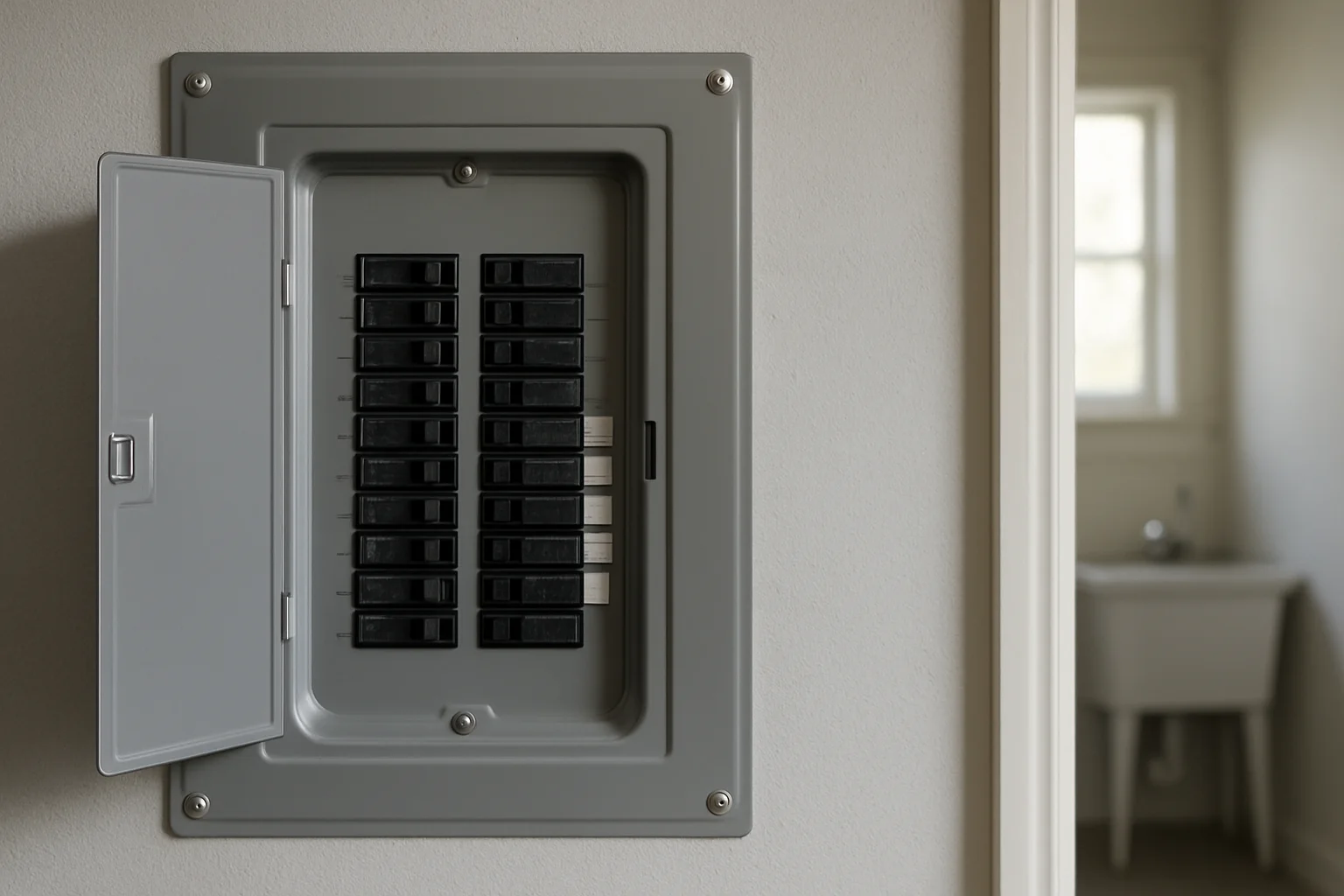
Why the Electrical Panel Deserves Regular Attention
Your electrical panel is the central control point for the power in your home. It receives electricity from the utility service and distributes it to the circuits that run your lights, appliances, outlets, HVAC equipment, and other loads. When the panel is working properly, most homeowners never think about it. When it is stressed, outdated, or poorly matched to household demand, however, the symptoms can show up as flickering lights, tripping breakers, warm components, or a persistent need to reset circuits. For homeowners in Northwest Florida, where summer cooling demand, storm season, and humidity all affect electrical systems, the panel deserves the same kind of preventive attention you would give to a roof, HVAC system, or water heater.
Preventive care starts with understanding that a panel is not just a box of switches. It is a distribution system with limits, and those limits can change as a home ages or as family needs evolve. A home that once supported a modest number of small appliances may now rely on multiple televisions, computers, charging devices, kitchen equipment, a larger air conditioner, or an electric vehicle charger. Even if the house itself has not changed, the electrical load often has. A professional assessment can determine whether the panel still has adequate capacity, whether breakers are in good condition, and whether there are signs of wear, corrosion, or unsafe modification. This kind of review is especially important before peak cooling months and before storm season, when electrical reliability matters most.
How Panels Work in a Typical Home
A residential panel acts as the bridge between utility power and the branch circuits throughout the home. Inside are breakers designed to interrupt power if a circuit draws too much current. That interruption is protective, not an inconvenience by itself. When a breaker trips occasionally because a circuit is overloaded, it is signaling that the system is doing its job. When breakers trip repeatedly, or when multiple circuits seem sensitive to normal use, that pattern suggests a deeper issue that deserves investigation. The panel also contains the neutral and grounding connections that help stabilize the system and direct fault current safely away from people and equipment. Because these functions are interconnected, a problem in one area can affect the entire system.
The age and design of the panel matter as much as its size. Some older panels were built for much lighter household demands than modern homes require. Others may have been expanded over time with added circuits, but without a full review of whether the service capacity, breaker arrangement, or conductor condition still supports the load safely. Homeowners do not need to diagnose these details themselves. In fact, opening a panel or testing internal components is not appropriate as a DIY task. A qualified electrician can evaluate the panel label, confirm how circuits are arranged, inspect for corrosion or overheating, and assess whether the installation aligns with current needs. This is especially useful in homes with renovations, additions, workshops, or outdoor equipment that were added after the original electrical system was installed.
Why Northwest Florida Conditions Matter
Homes in Bay, Walton, and Okaloosa counties face environmental conditions that can accelerate wear on electrical equipment. High humidity can contribute to corrosion, especially if a panel is located in a garage, utility area, or other space with fluctuating moisture levels. Salt air closer to the coast can also be hard on metal components over time. Summer heat increases the electrical load from air conditioning and cooling accessories, while severe weather can lead to power interruptions, voltage fluctuations, and the need for system recovery after an outage. These conditions do not automatically mean a panel is failing, but they do make regular professional evaluation more valuable.
Seasonal planning is practical in this region because the demands on the electrical system are not constant throughout the year. The months leading into hotter weather are a good time to check whether the panel is prepared for higher cooling loads. The months before storm season are a good time to verify that the home has a healthy electrical foundation and that important circuits are clearly identified. Even a well-maintained system can develop issues if it is never reviewed. A homeowner may notice only the most obvious signs, like a breaker that trips when the dryer and microwave run at the same time, while a professional can identify subtler concerns such as heat discoloration, loose connections, or signs of moisture intrusion. Those details matter because they can affect both safety and reliability.
Common Warning Signs Homeowners Notice First
There are several practical warning signs that may suggest an electrical panel needs inspection. Frequent breaker trips are one of the most common. If a breaker trips once in a while because a circuit was overloaded, that may not be unusual. But if the same breaker trips repeatedly or if several breakers seem to be reacting to ordinary use, the system may be telling you that the panel or associated circuits are under strain. Other signs include flickering or dimming lights when appliances start, a panel cover or nearby wall that feels warm, buzzing or crackling sounds near the panel, or the smell of burning or hot plastic. Any of these symptoms should prompt a prompt professional evaluation.
Changes in how the home is used can also reveal a panel problem. If you have added a home office, extra refrigerator, tankless water heater, workshop tools, a pool pump, or an electric vehicle charger, the original panel may no longer match the home’s actual demand. In older homes, the issue may be less about one dramatic failure and more about gradual strain. The house continues to function, but the system is operating near its limits. That can lead to nuisance trips, poor performance, or hidden deterioration over time. A professional inspection can distinguish between a circuit issue, an appliance issue, and a broader panel capacity concern, which is important because the right solution depends on the source of the problem, not just the symptom.
When an Upgrade Is More Than a Convenience
A panel upgrade is not only about adding convenience or more breaker space. It can also be the appropriate response when a home’s electrical service is no longer well matched to the way the home is used. Modern households often place more continuous demand on electrical systems than older homes were designed to handle. Air conditioning, kitchen appliances, electronics, garage equipment, and outdoor living features can all add up. If the panel is outdated, damaged, or repeatedly strained, an upgrade may improve reliability and reduce the risk of chronic overloads. That said, an upgrade is not something to assume based only on age. A panel that is older may still be serviceable if it has been properly maintained and if the home’s demand remains within safe limits.
The key is a professional assessment that considers the whole electrical system, not just the box on the wall. The electrician should evaluate the service size, breaker condition, conductor condition, grounding and bonding, load demands, and any code-related issues that may affect the home’s safety and performance. In some cases, a partial correction may be appropriate. In other cases, the panel itself may be sound, but the circuits or connected equipment need to be reorganized or updated. Homeowners benefit from this kind of clarity because it prevents both underrepair and overrepair. The goal is not to replace equipment unnecessarily, but to make sure the electrical system is prepared for present-day use and the coming season.
Why Seasonal Planning Helps Prevent Problems
Seasonal planning gives homeowners a chance to address electrical concerns before they become urgent. In Northwest Florida, the most obvious seasonal pressure comes from the cooling season. When air conditioners run more often and for longer periods, the electrical system experiences a sustained load that may expose weaknesses that remained hidden during milder weather. If a panel is marginal, the first hot spell can turn small issues into daily frustrations. Planning ahead allows an electrician to inspect the panel, identify loose or damaged components, and determine whether the system can support expected summer use without being stressed at the edge of its capacity.
Storm season is another important planning point. Severe weather can interrupt power, create surges, and place added strain on systems as they recover afterward. Homeowners cannot control outages, but they can reduce the chance that their internal electrical equipment becomes part of the problem. A well-maintained panel, clear labeling, and sound connections all support safer recovery after an outage. Seasonal planning is also useful before the holidays, when more lighting, cooking, and indoor activity can increase demand. Rather than waiting for repeated breaker trips or a failure during a busy time, homeowners can schedule an assessment during a calmer season. That approach is practical, less disruptive, and often helps identify concerns before they affect comfort, food storage, or essential equipment.
What a Professional Panel Assessment Typically Covers
A professional electrical panel assessment is a careful inspection of the system’s condition and suitability for the home’s needs. The electrician may review the panel’s age, manufacturer, visible condition, breaker layout, circuit labeling, signs of overheating, corrosion, moisture exposure, loose wiring, and the general organization of the electrical service. In many cases, they will also evaluate whether the panel appears to have enough capacity for current and anticipated loads. If the home has had renovations or equipment additions, those changes become part of the review. The electrician may ask about recent tripping, flickering, unusual sounds, or equipment that seems to run inconsistently, because homeowner observations often help identify the source of the issue.
This kind of assessment is not just a visual glance. It is a methodical check designed to determine whether the panel is functioning safely and whether any corrections are needed now or soon. The electrician may recommend repairs, improved circuit organization, a service upgrade, or no action beyond monitoring if the panel is in good shape. That range of outcomes is important. Not every panel needs replacement, and not every problem means a full upgrade. A professional assessment helps homeowners make informed decisions based on condition and demand rather than guesswork. It also creates a record of what was inspected and what was found, which is helpful for long-term maintenance planning.
Signs of Aging and Wear That Should Not Be Ignored
Some panel concerns are obvious, but others develop gradually. Rust, corrosion, discoloration, or moisture staining around the panel can indicate environmental stress. Burn marks, melted insulation, or a persistent hot spot near the cover are more serious indicators. Even if the panel appears to be functioning, visible wear can suggest that heat, moisture, or loose connections are affecting performance. Breakers that do not reset properly, handles that feel loose, or circuits that seem to fail without a clear load cause are also worth professional attention. These symptoms do not always mean an emergency, but they do mean the system should be evaluated rather than left alone.
Older panels may also have issues that are not obvious from the outside. Some may have been modified over the years in ways that make circuit tracking difficult. Others may lack clear labeling, making it hard to know which breaker controls which part of the home. That may seem like a convenience issue, but during an outage or repair, unclear labeling can slow response and complicate safe troubleshooting. A professional can update the circuit directory during an inspection and note any components that should be corrected. Homeowners should not remove the panel cover or attempt to test internal parts themselves. Safe evaluation depends on proper training, tools, and the ability to recognize conditions that may not be visible to an untrained eye.
How Panel Upgrades Support Modern Household Loads
Today’s homes often depend on more electrical equipment than homes built several decades ago. Computers, gaming systems, larger kitchen appliances, smart devices, upgraded laundry equipment, dehumidifiers, garage tools, and outdoor features all draw power. In many homes, the biggest demand still comes from cooling equipment, especially in hot and humid climates. A panel upgrade can help support this broader mix of loads by improving capacity, reorganizing circuits, and reducing the likelihood that the system will be pushed beyond its intended limits. The practical benefit is not just convenience. It is confidence that the home’s electrical infrastructure matches the reality of modern living.
It is also worth noting that an upgrade may be part of a larger home improvement plan. If you are adding an appliance, finishing a room, building a workshop, or preparing for backup power options, the panel often becomes the deciding factor in what is feasible. A professional electrician can help determine whether the existing panel can accommodate the planned changes or whether an upgrade would create a more stable foundation for future projects. This is one reason to think ahead rather than react only when a breaker starts tripping. When the electrical system is planned with the home’s likely future use in mind, homeowners reduce the chance of repeated disruptions and avoid piecemeal fixes that do not solve the underlying issue.
Preparing for Hurricane and Storm Season
Storm preparation in Northwest Florida often focuses on windows, roofs, drainage, and outdoor storage, but the electrical panel should be part of the checklist as well. A sound panel helps the home recover more cleanly after a power interruption and reduces the chance that existing weaknesses become worse when the utility service is interrupted and restored. While homeowners cannot control utility events, they can make sure the panel is in good condition, properly labeled, and free of visible concerns before the season becomes active. If a home has a history of electrical nuisance trips during storms or after power returns, that history should be mentioned during a professional evaluation.
It is also wise to consider how the home will function if power is lost. Essential loads like refrigeration, fans, medical equipment, or communication devices may have different priorities from everyday convenience circuits. A professional can help determine whether the panel setup supports sensible planning for critical circuits and whether any concerns should be addressed before the next storm-related outage. This is not about making the home storm-proof in a broad sense. It is about reducing avoidable electrical vulnerabilities. Having the panel assessed before severe weather is a simple, practical step that can save time and stress later, especially if repairs are needed after a storm when demand for service is high.
What Homeowners Can Safely Do Without Opening the Panel
Homeowners can support panel health without performing internal electrical work. One of the most helpful steps is to pay attention to patterns. Keep note of which breakers trip, what equipment was running, whether the issue happens during heat waves or at certain times of day, and whether lights dim or flicker when appliances start. This kind of information can help an electrician isolate the issue more quickly. You can also make sure the area around the panel stays accessible, dry, and free of stored items. A cluttered or damp area is not helpful for maintenance or emergency access. Good accessibility makes professional service easier and safer.
Another safe step is to know where the panel is located and make sure household members understand not to tamper with it. If you see signs of burning, smoke, or active overheating, the appropriate response is to treat it as a safety concern and contact a professional promptly rather than trying to inspect or reset the system yourself. It is also useful to keep a simple record of electrical changes in the home, such as appliance additions, remodeling, or repeated tripping. Those notes can support a more accurate assessment when service is scheduled. Safe homeowner involvement is about observation, organization, and prompt communication, not hands-on internal work. That distinction matters because many electrical issues are best diagnosed through expertise, not trial and error.
Why Labeling and Circuit Organization Matter
A clearly labeled panel does more than save time during maintenance. It helps people understand how the home is wired, which circuits serve important rooms or equipment, and which breakers control specific areas. During an outage, a repair visit, or an emergency shutdown, clear labeling reduces confusion and speeds up safe decisions. In older homes, labels may be missing, outdated, or inaccurate because rooms have been repurposed or circuits have been altered over time. A professional electrician can review and improve the circuit directory so it reflects how the home is actually used today.
Circuit organization also affects how practical the system is for future service. If a panel is difficult to navigate because of mixed or mislabeled circuits, troubleshooting can take longer and may be less precise. That can increase inconvenience and make it harder to identify recurring issues. Good organization does not necessarily mean a panel needs replacement, but it often reflects the quality of the work performed during an upgrade or maintenance visit. For homeowners planning seasonal preparedness, accurate labeling is a small detail with a big payoff. It supports faster response, better communication with service professionals, and less uncertainty when the power goes out or a breaker trips at an inconvenient time.
Planning Ahead with a Local Electrical Partner
For homeowners in Bay, Walton, and Okaloosa counties, panel care is best handled as part of a regular home maintenance rhythm. An electrical panel may not need constant attention, but it should not be ignored until there is a failure. Seasonal planning gives you time to ask whether the panel is keeping up with your household needs, whether the system shows signs of wear, and whether an upgrade or repair would improve reliability before hot weather or storm season puts extra demand on it. This approach is especially practical for older homes, homes with recent additions, or homes that rely heavily on cooling and modern appliances.
850 Electrical, part of veteran-owned A Superior Mechanical, serves homeowners across Northwest Florida with the kind of professional assessment that helps turn electrical uncertainty into a clear plan. If you have noticed trips, flickering, warmth, corrosion, or simply want to know whether your panel is ready for the season ahead, it is sensible to schedule an evaluation before a small issue becomes an inconvenient one. For service in Bay, Walton, and Okaloosa counties, call 850-258-3225. A careful review now can help support safer operation, better performance, and more confident seasonal planning throughout the year.
Explore related electrical care
- Electrical Panels & Upgrades
- Circuit Breaker Panels & Rewiring
- Device Upgrades
- Indoor Lighting Installation, Repair & Upgrades
- 24 Hour Emergency Electrical Service
- Battery Backup Systems
Continue reading
- Pool, Spa & Hot Tub Wiring Care for Northwest Florida Homes: Seasonal Planning and Preventive Maintenance
- Outlet and Switch Installation in Northwest Florida: Preventive Care and Seasonal Planning for Safer, More Reliable Homes
- EV Charger Installation in Northwest Florida: Seasonal Planning and Preventive Care for Homeowners
Talk with the 850 Electrical team for help with your home or business.