
Why commercial new construction matters to homeowners
Commercial electrical new construction may sound far removed from a single-family home, but many of the best planning habits come from that world. Large projects require careful load planning, thoughtful equipment placement, clear labeling, code coordination, and a long view of maintenance. Homeowners in Bay, Walton, and Okaloosa counties can benefit from the same mindset, even if the scale is different. Preventive care is not only about fixing problems after they appear. It is about reducing strain, preparing for seasonal weather, and making sure the electrical system is ready for the way a home is actually used today.
For homeowners, this approach is especially useful in Northwest Florida, where heat, humidity, salt air, storms, and seasonal occupancy patterns can all affect electrical performance. A house may be empty part of the year, then suddenly filled with guests, high cooling demand, and more appliances during the busy season. Commercial builders plan for changing demand; homeowners can borrow that lesson by scheduling a professional assessment before small issues become outages or expensive damage. 850 Electrical, part of veteran-owned A Superior Mechanical, serves this region with that kind of practical, preventive perspective.
What preventive electrical care really means
Preventive electrical care means looking beyond a single repair and considering the whole system. In a commercial project, that might include coordinating service capacity, panel placement, protection devices, emergency lighting, and long-term accessibility for maintenance. In a home, the same idea translates into evaluating the electrical panel, branch circuits, grounding, receptacles, outdoor equipment, surge protection, and any added loads from renovations or new appliances. The goal is not to guess at problems but to identify stress points before they become safety hazards or inconvenient failures.
A professional assessment is central to this process because electrical systems are interconnected. A tripping breaker, flickering light, or warm outlet may have more than one possible cause. A trained electrician can evaluate whether a symptom is isolated or part of a broader capacity or wiring issue. That distinction matters. Replacing a fixture without understanding circuit condition can leave the underlying issue untouched. Preventive care gives homeowners a clearer picture of the system, helping them prioritize improvements, plan for future upgrades, and avoid surprises during the hottest or stormiest parts of the year.
Seasonal planning in Northwest Florida
Seasonal planning in Northwest Florida is not just a calendar exercise. The electrical needs of a home can change with temperature swings, tourist-season occupancy, vacation rentals, holiday gatherings, and storm preparation. Summer brings heavy air-conditioning use and longer run times for cooling equipment. Late summer and fall can bring storms, power interruptions, and generator questions. Winter may be milder than in other regions, but space heaters, holiday lighting, and seasonal guests can still create new electrical demands. A home that seems fine in one month may show its weaknesses in another.
Commercial new construction teams often build around peak demand and changing use patterns. Homeowners can do something similar by using the seasons as checkpoints. Before the hottest months, have a professional review cooling-related circuits, outdoor equipment, and surge protection. Before storm season, ask about panel condition, service grounding, and potential vulnerabilities. Before the holidays, check whether increased indoor and outdoor lighting, entertainment gear, and kitchen use will exceed what the existing system comfortably supports. Planning ahead does not require dramatic changes, but it does require intentional attention from a licensed professional who can evaluate the system as a whole.
How professional assessment differs from guesswork
It can be tempting for homeowners to interpret electrical issues by symptom alone. A breaker trips, so the breaker seems like the problem. A light flickers, so the bulb seems like the problem. An outlet feels warm, so the outlet seems like the problem. In reality, those symptoms can reflect loose connections, damaged components, overloaded circuits, aging equipment, moisture intrusion, or code-related issues. Guesswork can lead to repeated nuisance problems or unsafe conditions. A professional assessment replaces assumptions with inspection, testing, and practical recommendations based on the actual condition of the system.
A careful electrician looks at more than the visible complaint. They may review service size, circuit loading, signs of heat or corrosion, bonding and grounding, equipment condition, and the relationship between indoor and outdoor systems. In a coastal area, exposure to humidity and salt can add another layer of concern. This is where commercial construction habits are especially helpful: systems are evaluated not only for immediate function but also for reliability, access, and future service. Homeowners benefit from the same discipline because it produces clearer decisions. Instead of patching problems one at a time, they can make smart improvements in a sequence that makes sense for safety, durability, and budget planning.
Electrical panels and why they deserve seasonal attention
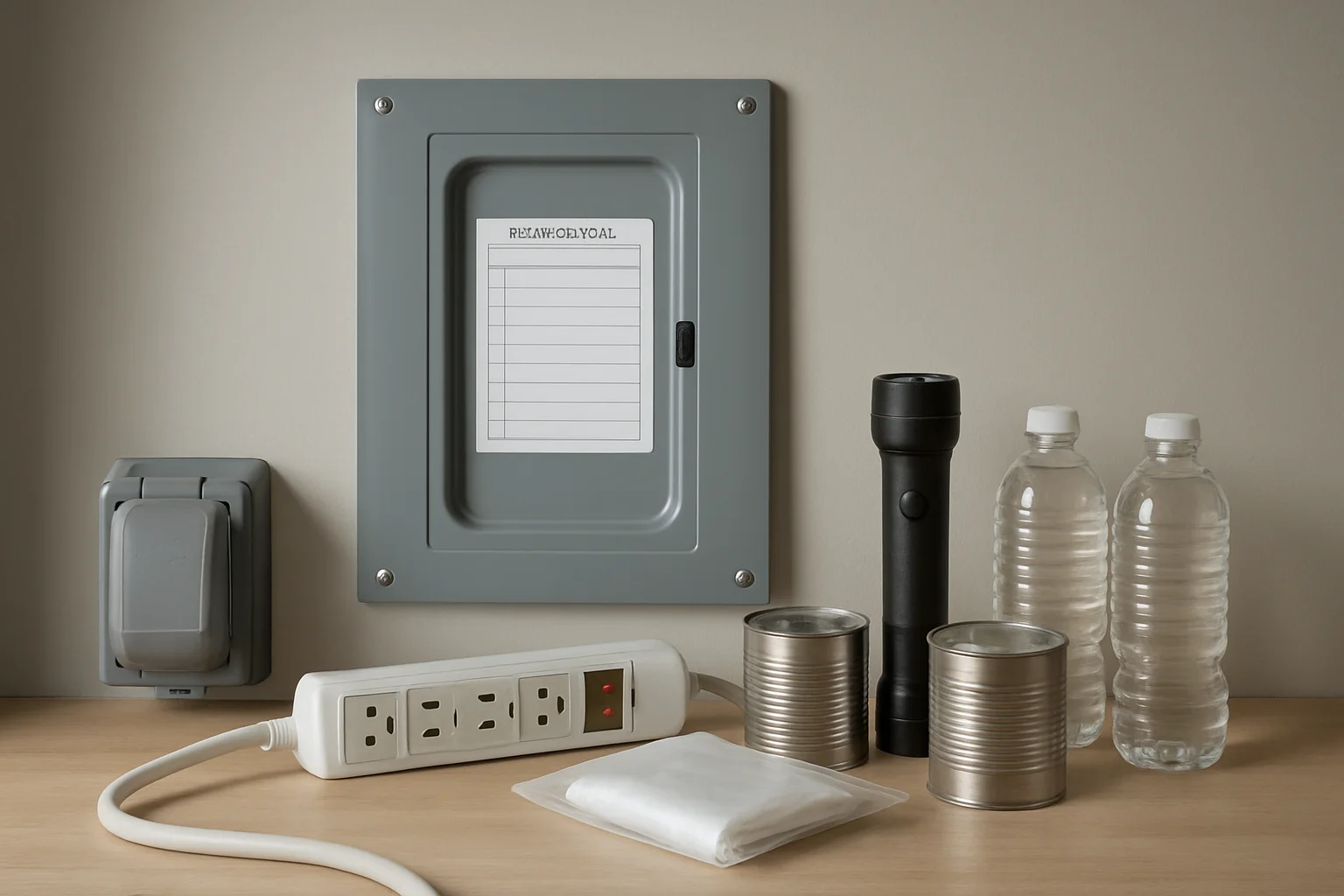
The electrical panel is the center of the home’s distribution system, so it deserves periodic review. In commercial work, panel placement and capacity are carefully planned because accessibility and load management matter for the life of the building. Homeowners should think of their panel the same way. It should be accessible, clearly labeled, free from obvious corrosion or heat damage, and sized appropriately for the home’s actual electrical demands. As homes gain electric appliances, entertainment equipment, smart devices, and climate-control accessories, the panel may need professional review even if nothing has failed yet.
Seasonal care for the panel means paying attention before high-demand periods arrive. A professional can assess whether the panel shows signs of wear, whether breakers are functioning as intended, and whether the circuit layout still reflects the way the home is used. If the home has been remodeled, had a room addition, added a hot tub, upgraded HVAC equipment, or installed outdoor living features, the panel may need a closer look. Commercial projects often avoid last-minute capacity surprises by planning ahead; homeowners can do the same. A safe, well-organized panel is not glamorous, but it is one of the most important parts of a dependable electrical system.
Surge protection and storm readiness
Northwest Florida homeowners know that storms can bring more than rain and wind. Lightning and utility disturbances can create damaging surges that affect appliances, electronics, HVAC controls, and other sensitive equipment. Commercial construction routinely considers power quality and equipment protection because larger facilities rely on continuity and the cost of failure can be significant. Homeowners can adopt that same protective mindset. Whole-home surge protection, when professionally evaluated and installed as appropriate, can be an important layer in a broader storm-readiness strategy.
Surge protection should not be treated as a standalone fix. A professional assessment helps determine whether the home’s existing service, grounding, bonding, and panel condition can support an added protective device effectively. The electrician can also help homeowners understand what surge protection can and cannot do. It may reduce risk from certain transient events, but it does not eliminate all storm-related concerns. Seasonal preparation should also include planning for safe equipment shutdowns when needed, evaluating outdoor circuits and receptacles, and checking that critical appliances are on sound circuits. This is another area where commercial-style preventive thinking pays off: protection works best when it is part of a complete plan, not a last-minute addition after damage has already occurred.
Outdoor electrical systems and coastal weather
Outdoor electrical equipment in Bay, Walton, and Okaloosa counties faces steady exposure to humidity, UV, rain, salt air, and temperature changes. Exterior outlets, lights, irrigation controls, pool equipment, landscape lighting, and detached structures all need more than occasional visual attention. In commercial settings, outdoor systems are selected and installed with serviceability in mind because environmental exposure is expected. Homeowners can benefit from that same perspective by having outdoor systems professionally reviewed before the heavy-use seasons begin. Loose covers, worn weatherproofing, and aged fixtures are not just cosmetic concerns; they can affect reliability and safety over time.
Because coastal weather can accelerate wear, seasonal inspections matter. A professional electrician can evaluate whether outdoor receptacles are properly protected, whether fixtures show corrosion, whether conduits and connections are intact, and whether equipment is suitable for the environment in which it operates. Homeowners should avoid assuming that “working” means “healthy.” A light that still turns on may still have moisture intrusion or hidden degradation. Preventive care focuses on catching small issues before they become failures during a storm or a busy season. With outdoor systems especially, the best time to address problems is before the weather makes access harder and the consequences of failure more disruptive.
Aging homes, additions, and changing electrical demand
Many homes in Northwest Florida were built before today’s level of electrical demand was common. Even if a house has been maintained well, the load profile can change dramatically over time. Families add home offices, entertainment systems, kitchen appliances, EV charging equipment, workshop tools, and outdoor living features. Renovations can also alter how circuits are used. Commercial new construction lessons apply here because builders account for present needs and future growth. Homeowners should think the same way: the electrical system should match actual use, not just the original floor plan.
When demand changes, the safest next step is a professional assessment rather than trial and error. An electrician can look for signs that the system is near its practical limits, identify circuits that may be carrying more than intended, and recommend changes that improve safety and convenience. That might mean better circuit organization, added receptacle capacity in some areas, or other system improvements based on the home’s layout and condition. The key point is that upgrades should be guided by the system as a whole. Preventive care is less about reacting to overloads and more about anticipating how new habits, devices, and spaces change the home’s electrical needs over time.
Indoor warning signs homeowners should not ignore
Homeowners often notice early clues before a serious electrical issue appears. Flickering lights, frequent breaker trips, buzzing sounds, warm switch plates, discolored receptacles, intermittent outlet performance, or a burning odor are all warning signs that deserve professional attention. These symptoms can point to different root causes, and some are more urgent than others. The important thing is not to dismiss them because they are intermittent. Electrical issues often become more noticeable under peak demand or in wet or humid conditions, which makes seasonal timing especially important.
A professional assessment helps distinguish a simple fixture issue from a system-level concern. For example, a loose connection in a circuit can create symptoms that come and go, which makes DIY guesswork unreliable and potentially risky. Commercial projects take symptoms seriously because small irregularities can interrupt operations or indicate a deeper problem. Homeowners should do the same. If something seems unusual, the safest move is to document what you noticed and contact a licensed electrician for evaluation. Preventive care is built on attention to these early signals, because they often provide the best chance to address an issue before it affects larger parts of the system.
Planning for hurricanes, outages, and recovery
Storm planning in Northwest Florida should include electrical considerations long before a hurricane warning appears. Power interruptions can affect food storage, cooling, communications, medical devices, and water systems if a home relies on electrically powered equipment. Commercial facilities often build continuity plans around essential loads and controlled shutdowns. Homeowners can adapt that mindset by identifying what must stay powered, what can be turned off safely, and what systems need inspection before storm season. That planning should be done well in advance, not during an active weather event.
A professional electrician can help homeowners assess whether the home is prepared for storm-related interruptions and recovery. That may involve reviewing the condition of the panel, outdoor equipment, surge protection, and any backup-power-related components that already exist. If a homeowner is considering a generator or other backup arrangement, the electrical side should be evaluated carefully and professionally so the system is safe and appropriate for the home. After a storm, professional inspection is also important if there was flooding, visible damage, tripped main protection, or equipment that behaved strangely. The purpose of preventive planning is to make recovery smoother, safer, and more predictable when weather becomes disruptive.
Holiday, guest-season, and vacation-rental load changes
Many Northwest Florida homes experience seasonal shifts in occupancy. Families may host holiday gatherings, welcome winter visitors, or manage a property that sees more use in certain months than others. That seasonal variation can put pressure on lighting, kitchen circuits, laundry equipment, water heating, and outdoor systems. Commercial buildings often plan for peaks in occupancy because they know demand is not constant. Homeowners can use the same principle to avoid overloaded circuits and avoidable disruptions during busy times.
The best time to prepare is before the surge in use begins. A professional assessment can reveal whether the home is ready for the coming season or whether certain circuits, fixtures, or protective measures should be improved first. This is especially helpful for vacation rentals or second homes, where the electrical system may sit idle and then suddenly be asked to support multiple guests and appliance-heavy routines. Preventive care helps ensure that the home remains comfortable and safe when occupancy changes. It also supports peace of mind, because homeowners are less likely to discover an electrical issue at the worst possible moment, such as a full house, a holiday meal, or a weekend when service access is limited.
What homeowners can do safely and when to call a professional
There are sensible, low-risk steps homeowners can take without touching wiring. They can keep electrical panels accessible, note recurring issues, replace lamps or batteries in non-wired devices as appropriate, and pay attention to when problems happen. They can also make a simple seasonal checklist that includes outdoor outlets, lighting, visible corrosion, tripped breakers, and changes in how the home is used. These observations are helpful because they give the electrician a clearer picture during a professional assessment. Good information saves time and leads to better recommendations.
What homeowners should not do is open energized equipment, alter wiring, bypass protective devices, or rely on online guesses for problems that affect the panel, circuits, or hidden connections. Those tasks belong to licensed professionals. A qualified electrician can inspect the system, explain concerns in plain language, and recommend the right next step based on safety and performance. If you live in Bay, Walton, or Okaloosa counties and want preventive electrical care that reflects the practical discipline seen in commercial new construction, 850 Electrical, part of veteran-owned A Superior Mechanical, can help with professional evaluation and seasonal planning. For service, call 850-258-3225.
Explore related electrical care
- Commercial Electrical New Construction
- 24 Hour Emergency Electrical Service
- Battery Backup Systems
- Ceiling Fan Services
- Circuit Breaker Panels & Rewiring
- Data Network Cabling
Continue reading
- Seasonal Electrical Care for Northwest Florida Homes: A Practical Preventive Maintenance Guide
- Northwest Florida Homeowner Guide to Electrical Replacement, Preventive Care, and Seasonal Planning
- Electrical Panels and Upgrades: Preventive Care and Seasonal Planning for Northwest Florida Homeowners
Talk with the 850 Electrical team for help with your home or business.