
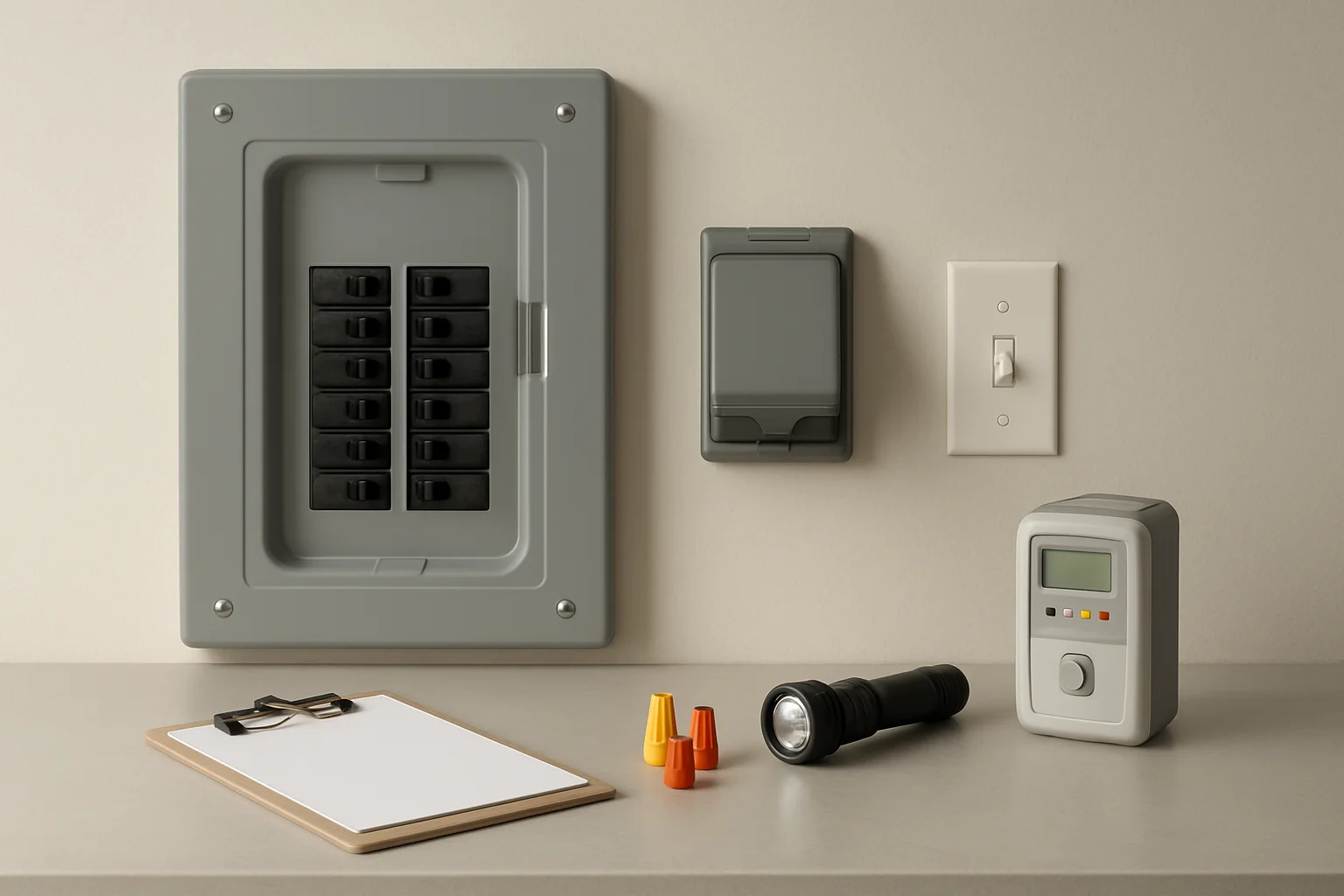
Why electrical replacement planning matters in Northwest Florida
Electrical systems often work quietly in the background until a problem becomes visible at the worst possible moment. For homeowners in Bay, Walton, and Okaloosa counties, the combination of humidity, salt air in coastal areas, summer heat, thunderstorms, and seasonal storm preparation can place added stress on wiring, panels, devices, and outdoor equipment. That does not mean every home needs major electrical work on a strict schedule. It does mean that preventive care and timely replacement decisions are part of responsible homeownership in this part of Florida.
Replacement planning is less about chasing a calendar date and more about understanding condition, performance, and risk. Outlets that run hot, breakers that trip often, fixtures that flicker, and exterior components exposed to moisture can all signal that age or environment is affecting reliability. A professional assessment can help separate ordinary wear from a concern that deserves attention. The goal is to address issues before they become larger failures, reduce the chance of damage during peak seasonal demand, and keep the home ready for the practical realities of Northwest Florida weather.
How climate and weather affect electrical components
Northwest Florida weather can be hard on electrical equipment even when there is no obvious storm damage. Heat can accelerate wear inside components and make certain materials age faster. High humidity can contribute to corrosion, especially where outdoor covers, boxes, or seals are no longer doing their job properly. Salt air near the coast may increase the chance of corrosion on exterior metal parts, and wind-driven rain can find weak points in old or poorly protected installations. Over time, those conditions can influence both safety and performance.
Seasonal weather also changes how much electrical demand a home places on its system. Air conditioning use increases during long hot periods, and that higher load may reveal weaknesses that were not noticeable during milder months. Thunderstorms and lightning activity can also affect sensitive electronics and connected equipment, even when a home appears to have escaped direct damage. Because these pressures are common in the region, a thoughtful maintenance plan should include periodic professional checks of the parts most likely to age first, including outdoor receptacles, service equipment, and any area where moisture could enter.
Signs that a professional assessment is a good idea
Some electrical problems are obvious, while others are subtle enough to be missed until they become more disruptive. Frequent breaker trips, lights that dim or flicker without a clear reason, outlets that feel warm, buzzing sounds near panels or switches, and repeated bulb failures can all indicate that the system needs attention. In older homes, you may also notice that there are not enough outlets for modern use, extension cords are doing too much work, or certain rooms seem to struggle under normal household demand. None of these signs should be ignored just because the home still appears to function.
A professional assessment helps determine whether a repair, targeted replacement, or broader update makes the most sense. The value of that assessment is not only identifying a problem, but also understanding what is not yet a problem. A licensed professional can inspect visible components, evaluate load demands, look for signs of heat damage or corrosion, and identify whether aging equipment is still operating within a safe range. That kind of evaluation is especially useful before hurricane season, before a renovation, or whenever a homeowner is considering a purchase of appliances that will increase electrical demand.
Panels, breakers, and service equipment: the center of the system
The electrical panel is often the most important place to start when thinking about replacement planning. It distributes power throughout the house, and its condition affects nearly every other circuit. If a panel is outdated, crowded, corroded, or simply no longer suited to the home’s current demand, problems can appear in different ways throughout the property. Breakers that trip repeatedly are not always a sign of a defective appliance; they can also indicate that the circuit is overloaded, the breaker is worn, or the system configuration no longer fits how the home is used.
Professional evaluation of the panel is especially important because this is not a place for guesswork. A trained electrician can inspect labeling, visible condition, signs of overheating, breaker fit, and whether the equipment is appropriate for the home’s load and layout. In some cases, the solution may be a specific repair or a circuit adjustment. In other cases, a panel replacement or service upgrade may be the safer long-term answer. For homeowners in Northwest Florida, it is wise to consider panel condition before storm season rather than after a problem interrupts cooling, refrigeration, or other essential systems.
Outlets, switches, and GFCI protection in wet-prone areas
Outlets and switches are used every day, which means wear accumulates gradually. Loose receptacles, cracked faceplates, discoloration, and plugs that do not fit securely are all signs that replacement may be needed. In homes with older wiring or older devices, the issue is not just convenience. Wear can create heat, and heat is one of the warning signs professionals watch for during an inspection. Kitchens, bathrooms, laundry rooms, garages, and exterior spaces deserve special attention because these locations are more likely to be exposed to moisture or heavy use.
Ground-fault protection is particularly important in wet-prone spaces, but that does not mean homeowners should treat it as a DIY project. A professional can determine whether existing protection is working as intended, whether devices are properly installed, and whether the layout of the home still meets current needs. In coastal and humid parts of Northwest Florida, outdoor receptacles and patio areas may need extra attention because weather exposure can weaken components faster than indoor use. Replacement planning in these areas is best handled proactively, before a failed outlet interrupts the use of outdoor equipment or exposes the home to avoidable risk.
Lighting replacements that improve safety and reliability
Lighting is one of the most visible parts of a home’s electrical system, so changes in lighting often make homeowners notice problems early. Flickering fixtures, lights that go dim when large appliances start, or fixtures that frequently burn out can point to deeper issues. Sometimes the answer is straightforward, such as replacing an aging fixture that has reached the end of its useful life. Other times, the lighting behavior is tied to wiring, switching, or circuit capacity. Because there are multiple possible causes, a professional assessment helps prevent unnecessary replacement and focuses attention on the actual source of the issue.
Seasonal planning can also include lighting upgrades that improve reliability during storms or short winter days. Entry lights, exterior security lighting, and garage lighting may be especially valuable when weather changes make visibility worse. Replacement decisions should consider not just style, but durability and compatibility with the existing system. In humid and coastal conditions, outdoor fixtures should be selected and installed with attention to moisture resistance and proper sealing. A licensed electrician can help determine whether a simple fixture swap is appropriate or whether underlying wiring and support components should be evaluated at the same time.
Wiring concerns in older homes and additions
Older homes often have a mix of original wiring and later additions, which can make electrical planning more complicated than it first appears. Over time, renovations, appliance upgrades, and room additions may create a system that works, but not always in the most balanced or efficient way. Homeowners may notice that certain circuits are heavily loaded while others are lightly used, or that a room added years ago behaves differently from the rest of the house. These situations do not necessarily mean there is an emergency, but they do make professional review worthwhile.
A skilled electrician can help identify whether the visible parts of the system suggest age-related deterioration, mismatched materials, or a need for replacement in a specific area. Wire conditions cannot be properly judged by appearance alone, and homeowners should avoid opening walls or making assumptions based on what is visible at outlets or switches. In Northwest Florida, where seasonal moisture and heat can influence aging materials, a careful evaluation may reveal the need for selective replacement before small issues spread. The important point is that wiring concerns should be assessed in context, not treated as isolated symptoms without looking at the full system.
Outdoor systems, weather exposure, and seasonal wear
Outdoor electrical components face some of the toughest conditions around the home. Receptacles, lighting, disconnects, and equipment near patios, driveways, pool areas, or HVAC units are exposed to sunlight, humidity, rain, and debris. Over time, seals can weaken and protective covers can crack or loosen. In coastal parts of the region, corrosion may develop more quickly on exposed metal components. Because these parts are constantly exposed, they often show the first signs that replacement or repair is needed.
Seasonal planning should include a walk-through of outdoor areas with an electrical professional if any signs of damage, rust, heat, or intermittent operation are present. That is especially important before periods of heavier rain or before storm season, when outdoor failures can have a larger impact on the home’s day-to-day function. A professional assessment can determine whether a device needs replacement, whether mounting or sealing needs correction, or whether weather protection has become inadequate for current conditions. Homeowners benefit from addressing these concerns while the weather is calm rather than waiting until a storm exposes a weakness.
How to think about replacement versus repair
Homeowners often want a simple answer to whether something should be repaired or replaced, but electrical systems do not always give simple answers. A single worn device may be replaced without major disruption, while more widespread wear may call for a broader plan. A professional assessment helps weigh the age of the equipment, the extent of the problem, the condition of surrounding components, and how much confidence the homeowner can reasonably have in the rest of the system. In many cases, targeted replacement is the most practical and cost-conscious approach. In others, continuing to patch an aging system may simply delay a more important update.
The best decision usually depends on safety, reliability, and long-term usefulness. If a component has failed repeatedly, shows heat damage, or is part of a pattern of ongoing issues, replacement may be the better route. If the problem is isolated and the surrounding system is in good condition, a repair may be enough. The benefit of a professional opinion is that it looks beyond the immediate symptom and considers how the home actually operates. That helps homeowners avoid replacing equipment too soon while also avoiding the risk of relying on something that no longer performs as it should.
Seasonal planning before hurricane season
Hurricane season is a reminder that electrical readiness matters even when there is no active storm in the forecast. A home’s electrical system supports refrigeration, cooling, communication, lighting, and many other essentials that become especially important when weather disrupts normal routines. Homeowners in Bay, Walton, and Okaloosa counties often think about shutters, roofing, and landscaping before storm season, but electrical planning deserves the same attention. If a panel is already struggling, if outdoor components are showing age, or if the home has recurring electrical issues, it is better to address them before the season peaks.
Professional evaluation before storm season can help identify vulnerabilities without guessing. An electrician can review the condition of the service equipment, assess visible deterioration, and recommend practical replacement priorities. That might include a worn exterior device, a panel component, or another part of the system that should not be left to chance when weather becomes more severe. While no electrical work can eliminate every weather-related risk, preventive care can reduce the chance that a small existing problem becomes a bigger interruption during a storm response period.
Seasonal planning after storms and during the recovery period
After a storm, homeowners may focus first on visible damage such as roofing, siding, or fallen debris. Electrical systems, however, deserve careful attention too, even when they seem to be working. Water intrusion, power fluctuations, and debris impact can affect outlets, panels, outdoor equipment, and lighting. A system that appears normal immediately after weather passes may still have hidden damage or weakened components that show problems later. That is why post-storm assessment is important even if nothing looks obviously wrong.
A professional electrician can inspect for signs of moisture intrusion, compromised exterior equipment, damaged covers, or issues caused by power disturbances. This is especially helpful when the home experienced outages, surges, or unusual breaker behavior during or after the storm. Homeowners should not assume that a system is fine simply because power returned. Post-storm replacement planning is part of preventive care because it helps identify parts that may fail later under normal use. For Northwest Florida homes, this step can be one of the most practical ways to protect comfort and safety once the weather clears.
Routine preventive care that supports longer equipment life
Preventive electrical care is not about doing electrical work yourself. It is about paying attention to the system, scheduling professional evaluations when needed, and avoiding the habit of waiting for a failure before taking action. Homeowners can benefit from observing patterns: recurring tripping, odors, unusual sounds, changes in brightness, or devices that behave differently over time. Keeping a simple record of when problems happen can make a professional assessment more useful, because it helps identify whether issues are isolated or recurring. That information can guide replacement decisions without unnecessary guesswork.
Routine care also means keeping electrical spaces accessible and free of clutter so panels and indoor equipment can be evaluated properly. If a home has outdoor components, those areas should also be checked for obvious signs of wear, blocked access, or damaged covers. Seasonal planning is especially helpful in Northwest Florida, where weather changes can stress equipment differently throughout the year. A scheduled review before summer demand or before storm season can be far more effective than waiting until a failure affects daily life. The goal is not perfection; it is dependable function supported by informed upkeep.
Why local professional help is the safest path
Electrical replacement work requires technical knowledge, proper tools, and an understanding of how one component affects the larger system. Because of that, the safest path is to rely on a qualified professional rather than trying to diagnose or replace electrical parts based on appearance alone. The right professional assessment can determine whether the issue is minor, whether a replacement is advisable, and whether any surrounding equipment should be evaluated at the same time. That kind of judgment matters in homes that face humidity, heat, and seasonal storms, because those conditions can make the difference between a long-lasting fix and a temporary solution.
For homeowners in Bay, Walton, and Okaloosa counties, local experience with regional conditions is especially valuable. A company serving the area, such as 850 Electrical, part of veteran-owned A Superior Mechanical, can help homeowners think through replacement planning, preventive care, and seasonal readiness with the realities of Northwest Florida in mind. If you have concerns about your home’s electrical system, calling 850-258-3225 can be a practical next step toward a professional evaluation. An informed assessment helps you make safer, more confident decisions about what to repair, what to replace, and when seasonal planning should begin.
Explore related electrical care
- Electrical Replacement
- 24 Hour Emergency Electrical Service
- Battery Backup Systems
- Ceiling Fan Services
- Circuit Breaker Panels & Rewiring
- Commercial Electrical New Construction
Continue reading
- Homeowner Guide to Power Generator Installation and Seasonal Planning in Northwest Florida
- Pool, Spa & Hot Tub Wiring Care for Northwest Florida Homes: Seasonal Planning and Preventive Maintenance
- Outlet and Switch Installation in Northwest Florida: Preventive Care and Seasonal Planning for Safer, More Reliable Homes
Talk with the 850 Electrical team for help with your home or business.