
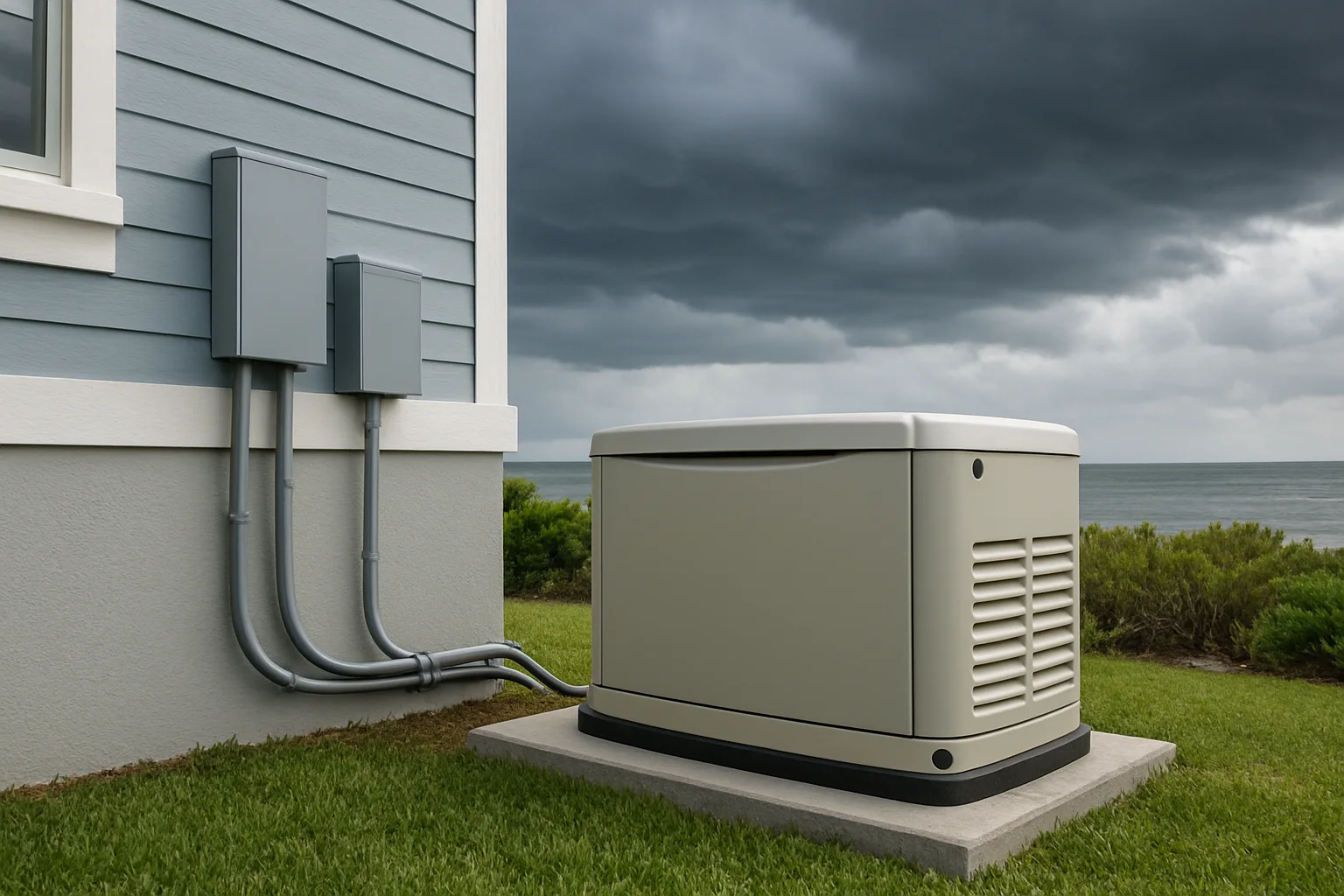
Why Generator Planning Matters in Northwest Florida
In Bay, Walton, and Okaloosa counties, homeowners know that power interruptions can happen for many reasons, from severe weather to utility work and equipment problems. A generator can help keep essential systems running when the grid goes down, but the best results come from planning before an outage happens. A thoughtful approach helps you choose the right type of system, place it correctly, and keep it ready for use when the season turns rough. For many households, the real value is not just backup power itself, but the peace of mind that comes from having a plan for lighting, refrigeration, communication, and comfort.
Generator planning is not a one-time purchase decision. It is a process that should consider the home’s electrical load, fuel source, local code requirements, and the practical realities of Northwest Florida weather. Homes near the coast may face salt air, humidity, and storm-related stress on electrical equipment, all of which can influence maintenance needs and equipment selection. A professional assessment can help a homeowner understand what can be powered safely, how long the system may need to run, and whether the home’s current electrical panel and transfer equipment are suitable. That kind of preparation reduces surprises when a storm is approaching or when an outage occurs unexpectedly.
Standby, Portable, and Whole-Home Options
Homeowners often start by comparing portable generators and permanently installed standby systems. Portable units can be useful for limited, temporary needs, but they usually require manual setup, fuel handling, and a plan for safe connection to appliances or circuits. They may support selected items, but they are not the same as a whole-home backup solution. Standby generators, by contrast, are fixed installations that can start automatically when utility power is lost, often paired with a transfer switch and sized to support a specific set of circuits or the entire home depending on the system design.
A whole-home installation is not automatically the right answer for every household. Some homes only need a few critical circuits backed up, while others benefit from broader coverage, especially if medical equipment, home offices, well pumps, or electric heating components are part of daily life. The right choice depends on what the homeowner wants to preserve during an outage, how much fuel is available, and how the home’s electrical system is configured. A professional electrician can help compare these options without guesswork, making sure the chosen system fits the home rather than forcing the home to adapt to an undersized or oversized setup.
How to Think About Your Home’s Power Needs
Before choosing a generator, it helps to identify what truly needs to keep running. Many homeowners start with the basics: refrigerator, freezer, some lighting, internet equipment, medical devices, garage access, and one or two climate-control priorities. Others may need more, especially if they work from home or have family members whose comfort depends on reliable temperature control. A good planning conversation should separate must-have loads from convenience loads, because that distinction affects generator size, fuel demand, and installation design.
An electrical professional will typically look at the home’s actual circuits and equipment rather than relying on general estimates. That includes checking the electrical panel, major appliances, HVAC equipment, pump systems, and any special loads that may require startup surge capacity. The goal is to understand both steady-state usage and the extra demand that some motors and compressors create when they start. This assessment matters because generator sizing is not just about total wattage on paper. A system that seems large enough on a simple list can still struggle if it cannot handle startup demands or if too many high-load items come on at once. Careful planning supports safer, more dependable operation when utility power is unavailable.
Why Professional Assessment Is Essential
Generator installation involves more than placing equipment outside and connecting it to the house. The installation must be compatible with the home’s existing electrical system, the fuel source, local permitting requirements, and the physical environment around the property. A professional assessment helps determine whether the proposed location is appropriate, whether the electrical panel needs upgrades, and whether the transfer equipment can be installed in a way that supports safe operation. This review also helps identify any obstacles, such as limited clearance, drainage concerns, landscaping issues, or service equipment placement that could affect installation.
Professional assessment is also valuable because it turns a general desire for backup power into a practical plan. An electrician can explain how circuits may be separated into critical and noncritical groups, what maintenance access will look like, and how seasonal weather may affect the system. In a coastal and storm-prone region, these details matter. The assessment can also uncover older wiring concerns, panel limitations, or grounding and bonding issues that should be addressed before installation. Rather than treating the generator as a standalone appliance, a professional evaluates it as part of the home’s overall electrical safety and resilience. That approach helps reduce risk and improves long-term performance.
Seasonal Planning for Storm Readiness
In Northwest Florida, seasonal planning often begins well before the first major storm threat appears. Homeowners who wait until an active weather event is close may face scheduling delays, limited product availability, or rushed decisions. Planning ahead allows time to review options, permit work if needed, and make sure the system can be installed and tested before it is needed. Even if the goal is simply to keep the house comfortable during occasional outages, early planning usually leads to better results because the system can be chosen and installed with care.
Seasonal planning should also include a look at how the home is used throughout the year. Summer outages can mean a stronger emphasis on cooling, refrigeration, and moisture control, while winter outages may shift priorities toward heating or backup lighting. Spring and fall can be ideal times for assessments, maintenance checks, and any needed electrical updates because weather is often less disruptive. A homeowner should think of the generator as part of a seasonal readiness routine, similar to checking hurricane supplies or reviewing roof and drainage concerns. That mindset helps keep the equipment and the household plan aligned with the realities of Florida weather and outage patterns.
Choosing a Location That Supports Safe Operation
Generator placement affects safety, noise, performance, and maintenance access. A generator should be installed in a location that follows manufacturer requirements and local code, with proper clearance around the unit and suitable distance from openings, doors, and windows. Placement also needs to consider airflow, drainage, flooding risk, and the practical reality of service access. In humid or coastal areas, it is especially important to avoid spots where water can pool or where salty air and debris may shorten equipment life. The location should work for the long term, not just for installation day.
A professional installer will evaluate the site for these concerns and coordinate the installation so the generator can operate as designed. That may involve choosing a stable pad, planning conduit routes, and making sure the unit is positioned with proper clearances from the home and other structures. Good placement can also help reduce nuisance issues, such as excessive noise or maintenance difficulty. Homeowners sometimes focus only on the nearest convenient outdoor area, but the best location balances convenience with code compliance, durability, and safe exhaust management. A careful site decision is one of the most important parts of a dependable installation because it sets the foundation for how the system will function over time.
Fuel Source Considerations for Homeowners
Backup generators depend on a reliable fuel source, and the type of fuel affects installation planning, runtime expectations, and maintenance needs. Some systems run on natural gas, while others use propane. Each option has different infrastructure requirements and operational considerations. Fuel availability, storage, and utility service reliability should all be part of the decision. The right choice depends on the home, the generator model, and the homeowner’s preferences for convenience and long-term readiness.
A professional assessment can help determine whether the property can support the selected fuel type and what additional components may be needed. For example, the system may require proper piping, regulator coordination, or tank placement planning. The homeowner should also think about how long the generator may need to run during a prolonged outage and whether the fuel supply aligns with that need. Seasonal planning is important here because fuel access can become more complicated during widespread storms or disruptions. Rather than leaving fuel logistics to chance, a planned installation considers how the generator will be powered not just on day one, but during the longest realistic outage the household wants to prepare for.
Transfer Switches and Safe Power Separation
A standby generator should not be connected to a home in a way that allows unsafe backfeed into utility lines. That is why transfer equipment is such a critical part of the installation. A transfer switch or similar device helps separate utility power from generator power so the system can operate safely and legally. It also helps the homeowner control which parts of the home receive backup power. This is not a detail to overlook; it is the core of making a generator work properly with a home’s electrical system.
The transfer equipment must be selected and installed based on the generator type, the home’s wiring, and the loads being supported. A professional electrician can determine whether whole-home transfer or selected-circuit transfer is the better fit. They can also ensure that the switch is rated correctly and integrated into the home without compromising service equipment or existing protection devices. Homeowners should avoid assuming that any generator can simply be plugged in to power a house. The electrical relationship between the utility, the generator, and the home must be intentionally designed. Safe separation is one of the clearest reasons why professional installation is so important in the first place.
Electrical Panel Condition and System Compatibility
A generator installation is often a good time to evaluate the electrical panel and related equipment. Older panels, limited space for breakers, outdated labeling, or signs of wear can complicate the installation and may affect the safety or usefulness of the backup system. If the panel is already at capacity or if the home has circuit organization issues, those concerns may need to be addressed before the generator can be integrated correctly. A generator is only as effective as the electrical system it supports.
This compatibility review is especially important in homes with additions, remodeled spaces, or a mix of older and newer electrical components. A professional electrician can identify whether the system has enough capacity, whether load balancing is needed, and whether any corrections should be made for a clean installation. That may include updating panel organization, improving labeling, or recommending other electrical improvements that make the generator easier to manage. For homeowners, this kind of review is valuable because it reduces the chance of surprise problems later. Instead of treating backup power as a separate project, it becomes part of a broader home electrical health check, which is often the smartest way to approach long-term readiness.
Preventive Care Before the Outage Season
Preventive care is one of the best ways to protect a generator investment. Even when a unit is installed correctly, it still needs periodic inspection and maintenance so it can perform when called upon. Homeowners should think about preventive care as a routine rather than a reaction to a problem. Before the season of frequent storms or outages, it is wise to have the system inspected, checked for visible wear, and tested according to manufacturer guidance. Small issues are easier to address before they become emergency problems.
Preventive care also includes the surrounding environment. Keep the area around the generator clear, watch for vegetation growth, and make sure drainage conditions have not changed. Coastal weather, heat, and humidity can accelerate wear on outdoor equipment, so a professional check can be especially valuable in Northwest Florida. During an inspection, an electrician can look for loose connections, corrosion concerns, control issues, or signs that the system is not operating as intended. Homeowners should never assume that because the generator starts once, it will be ready indefinitely. A seasonal maintenance mindset helps ensure reliability when outages are most inconvenient and when comfort matters most.
What Homeowners Can Do Between Professional Visits
There are a few simple steps homeowners can take between professional service appointments to help keep a generator installation in good condition. The most important is to follow the owner’s manual and manufacturer guidance for the specific system. That may include checking for visible damage, keeping the area clear, and paying attention to warning indicators if the equipment has a monitoring system. If anything unusual appears, it is better to arrange service promptly than to wait for an outage to reveal the issue. A backup system should inspire confidence, not uncertainty.
Homeowners can also plan ahead by reviewing what the system is expected to power and making sure that household routines still fit the design. If the home’s needs change, such as the addition of a new appliance, room addition, or medical device, the generator plan may need to be revisited. This is another reason professional evaluation matters over time, not just at installation. The system should continue to match the household. Homeowners should also be careful not to create storage or landscaping conditions that interfere with airflow, access, or safe operation. Good habits around the equipment help preserve the value of professional installation and reduce the odds of unnecessary trouble when the next outage arrives.
How Installation Supports Comfort, Safety, and Routine
A properly planned generator installation can support more than emergency lighting. It can help preserve normal routines during power interruptions, which is especially important for families with children, seniors, remote workers, or anyone who depends on refrigerated medication or climate-sensitive needs. Keeping certain systems running can reduce stress, limit food loss, and help the home remain more livable during an outage. For many homeowners, that practical stability is the main reason to invest in backup power.
The comfort benefit is closely tied to safety and planning. When a generator is integrated into the home correctly, there is less scrambling when a storm warning appears or when power is lost unexpectedly. A homeowner with a clear plan knows which appliances and systems are supported, how fuel is handled, and when to call for service. That level of preparedness can make a major difference during busy storm seasons in Northwest Florida. A generator does not eliminate the inconvenience of an outage, but it can significantly reduce its impact. The key is making sure the installation is built around the home’s real needs rather than a generic idea of backup power.
Local Support for Bay, Walton, and Okaloosa County Homeowners
Homeowners in Bay, Walton, and Okaloosa counties often benefit from working with a local electrical company that understands the area’s weather patterns, housing styles, and seasonal concerns. Generator installation is a project where local familiarity matters, because the right solution depends on site conditions, electrical system layout, and the practical demands of storm season. A local professional can help assess the property, recommend an approach that fits the home, and complete the installation with attention to code and safety. That kind of support is especially useful when planning ahead for the months when outages are more likely.
850 Electrical, part of veteran-owned A Superior Mechanical, serves homeowners who want help with generator installation planning, preventive care, and seasonal readiness. The company can be reached at 850-258-3225 for homeowners seeking professional assessment and installation support in the region. An experienced electrician can help determine whether your home is ready for backup power, what upgrades may be needed, and how to make the system easier to maintain over time. For an evergreen seasonal resource like this one, the main takeaway is simple: the best generator plan starts early, is designed around the home, and is maintained with care so it is ready when needed most.
Explore related electrical care
- Power Generator Installation
- Kohler Generator Installation
- Electrical Installation
- EV Charger Installation
- Indoor Lighting Installation, Repair & Upgrades
- Lighting & Fixture Installation
Continue reading
- Kohler Generator Installation and Seasonal Planning for Northwest Florida Homes
- Northwest Florida Homeowner Guide to Electrical Replacement, Preventive Care, and Seasonal Planning
- Whole-Home Backup Power Planning for Northwest Florida Homes: Seasonal Maintenance and Preventive Care
Talk with the 850 Electrical team for help with your home or business.