
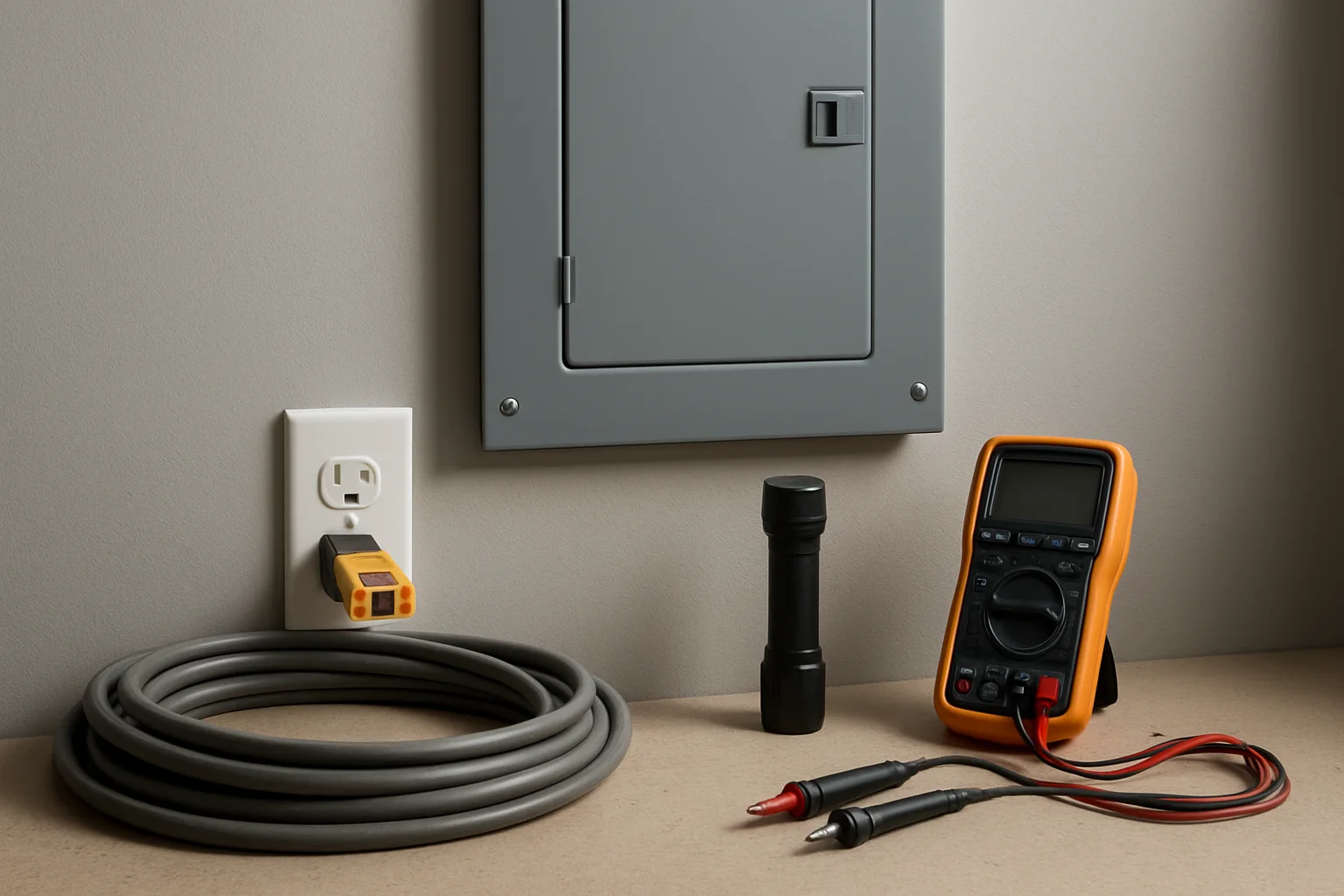
Why electrical installation warning signs matter in Northwest Florida
Electrical problems in a home are not just about inconvenience. They can affect safety, comfort, appliance performance, and the long-term condition of the entire electrical system. In Northwest Florida, homes face extra stress from heat, humidity, salt air near the coast, heavy air-conditioning demand, storm-related power events, and aging materials in older neighborhoods. Those conditions can reveal weaknesses in wiring, panels, outlets, lighting, and equipment connections faster than homeowners expect. A small issue in one part of the system can spread into repeated breaker trips, overheated components, or damage to appliances if it is left unresolved.
Warning signs often begin subtly. A light that flickers only sometimes, an outlet that feels warm, or a breaker that trips when a major appliance starts may seem minor at first. But these symptoms can indicate loose connections, overloaded circuits, damaged devices, or installation work that no longer matches the needs of the home. Professional evaluation is important because the visible symptom is not always the true source of the problem. A licensed electrician can inspect the system as a whole, identify patterns, and determine whether the concern is isolated or part of a larger safety issue.
Flickering or dimming lights that keep coming back
Flickering lights are one of the most common warning signs homeowners notice, and they are easy to dismiss if they happen only occasionally. In many cases, the issue is not the bulb itself but the circuit feeding the fixture, the connection inside the fixture, or the capacity of the circuit when other devices turn on. If lights dim whenever an air conditioner, microwave, or vacuum starts up, the home may be showing a sign of voltage drop, overloaded wiring, or loose electrical connections. In Northwest Florida, where cooling systems work hard for much of the year, this symptom deserves attention rather than guesswork.
A professional diagnosis looks beyond the lamp. An electrician can check the fixture wiring, switch connections, circuit loading, and panel condition to see whether the problem is caused by one failing component or by a broader installation issue. This matters because repeated flickering can point to arcing, which is dangerous and not something homeowners should try to track down on their own. The right assessment helps separate harmless bulb incompatibility from a problem that could affect other parts of the system. It also helps determine whether the circuit simply needs correction, redistribution of loads, or additional capacity.
Breakers that trip often or seem to reset the pattern
A breaker’s job is to protect the wiring and connected equipment, so occasional tripping is not automatically a sign of disaster. However, if the same breaker trips repeatedly, or trips when ordinary household use should not be an issue, the electrical installation likely needs review. The cause may be an overloaded circuit, a failing breaker, a short circuit, or equipment that is drawing more power than the circuit was designed to handle. In older homes, previous renovations may have added new appliances, fans, or outlets without adjusting the electrical system to match.
Professional diagnosis is valuable because repeated breaker trips can be a symptom rather than the problem itself. An electrician can examine the circuit design, the amount of load on each branch, the condition of the breaker, and whether any connected device is contributing to abnormal current draw. This process helps prevent homeowners from simply resetting the breaker again and again without understanding why it is happening. The goal is not just to stop the nuisance, but to make sure the protective device is doing its job correctly and that the underlying installation can safely support everyday use.
Warm outlets, switches, or cover plates
An outlet, switch, or wall plate should not feel warm during normal use. Heat at these points often indicates resistance in the connection, an overloaded circuit, or a device that is deteriorating. In some cases, homeowners may also notice discoloration, a faint smell, or a plastic-like odor near the device. These are important warning signs because electrical heat is often invisible until it becomes noticeable on the surface. Northwest Florida homes that rely heavily on cooling, dehumidification, and multiple plugged-in devices can place more stress on circuits than owners realize.
A professional electrician will inspect the device, the wiring termination, the circuit load, and the surrounding components to find out why heat is present. The issue may be localized to one receptacle, or it may reflect a broader installation concern such as a loose neutral, backstabbed connection, or a circuit that is carrying more than it should. Homeowners should not continue using a warm outlet or switch as if it were normal. A proper diagnosis helps prevent device failure, protects connected appliances, and reduces the risk of damaged wiring hidden inside the wall.
Buzzing, crackling, or popping sounds from electrical components
Electrical systems are meant to operate quietly. If you hear buzzing, crackling, popping, or a faint sizzling noise from a panel, outlet, switch, ceiling fixture, or appliance connection, that sound should be treated as a warning sign. These noises can point to arcing, loose terminals, failing devices, or damaged insulation. A sound that comes and goes does not make it less serious. In many cases, intermittent noise is exactly what makes a problem harder to notice until it has progressed.
Professional assessment is especially important because the source of the sound may not be where the homeowner first hears it. Noise can travel through walls, ceilings, and conduits, making it difficult to identify the exact location without the right tools and experience. An electrician can isolate the affected circuit, inspect for wear or heat damage, and determine whether the issue is in the device, the branch wiring, or the service equipment. That kind of diagnosis helps avoid unnecessary replacement of parts that are not actually causing the trouble, while also addressing conditions that should not be ignored.
Frequent bulb burnouts or lights that fail unusually fast
If light bulbs are failing far sooner than expected, the issue may be more than bad luck. Excess voltage, loose wiring, heat buildup in fixtures, incompatible dimmers, or poor-quality connections can all shorten bulb life. In some homes, especially older ones, the problem appears in multiple rooms because the issue is not the bulb but the electrical installation supporting it. Replacing bulbs repeatedly without identifying the source can become frustrating and expensive, but more importantly, it can leave an underlying problem unresolved.
A professional electrician can determine whether the problem is caused by fixture heat, overvoltage, circuit issues, or improper installation of the lighting controls. This is particularly useful in Northwest Florida where attic temperatures can be high and fixture conditions can change with the seasons. An electrician can also inspect whether the fixture type matches the bulb type and whether the circuit is suited for the lighting load. Proper diagnosis helps homeowners avoid wasted effort and ensures the lighting system operates as intended, with fewer surprises and better reliability.
Outlets that do not hold plugs securely or appear loose
A loose outlet can seem like a minor annoyance, but it can create repeated movement, arcing, and poor contact between the plug and receptacle. If plugs fall out easily, feel wobbly, or require awkward positioning to stay connected, the outlet may be worn out or improperly installed. Loose receptacles are especially concerning when they are used for high-demand appliances, entertainment equipment, or chargers that stay connected for long periods. The problem is not only convenience; it is also contact quality and heat generation.
Professional evaluation can determine whether the issue is a worn receptacle, an oversized electrical box problem, a loose mounting issue, or deeper wiring concerns. An electrician can also assess whether the outlet should be replaced with a device that better matches current use and code expectations for that location. Since outlet wear often develops slowly, homeowners may get used to the problem without realizing how much strain it places on the connection. A proper diagnosis can restore safe, stable contact and reduce the chance of damage to plugs or connected equipment.
Burn marks, discoloration, or odor near electrical points
Visible marks near an outlet, switch, fixture, or panel are a serious warning sign. Brown, black, or yellow discoloration can indicate heat exposure, arcing, or past overheating. A sharp electrical smell, scorched odor, or lingering burning scent is also a reason to stop and investigate professionally. In coastal and humid environments, corrosion can compound these issues by weakening connections and accelerating wear. Even if the device still appears to work, heat damage suggests the electrical installation has already been stressed.
A licensed electrician can inspect the damaged area and determine whether the issue is isolated or has affected nearby conductors, devices, or enclosure surfaces. This is important because a visible mark may be the result of a problem that is still active behind the wall or inside the panel. Homeowners should not assume that a device is safe just because it continues to operate. Professional diagnosis is the best way to understand whether the damaged component needs replacement, whether circuit conditions contributed to the problem, and whether other parts of the system should be checked before they fail as well.
Partial power loss in rooms, circuits, or appliances
When part of the home loses power while other parts still work, the cause is not always obvious. A single dead outlet, half of a room without power, or a major appliance that suddenly stops working may indicate a tripped breaker, a failed device, a loose connection, or a wiring issue somewhere along the circuit path. In some cases, what looks like a simple outage is actually a sign of a hidden electrical installation problem that affects the integrity of the circuit. Because modern homes depend on stable power for refrigeration, HVAC controls, internet equipment, and lighting, partial loss should be taken seriously.
An electrician can trace the circuit and determine whether the problem is at the outlet, switch, junction point, breaker, or service equipment. That tracing process matters because power can be lost for different reasons at different points in the system. A homeowner may see the symptom but not the cause. Professional assessment provides a clear answer and helps avoid trial-and-error replacement of devices. It also ensures that any underlying wiring issue is addressed before it causes wider disruption or additional damage.
Two-prong receptacles, missing grounding, or outdated equipment
Many Northwest Florida homes still contain older electrical features that were acceptable when installed but no longer meet the expectations of modern living. Two-prong receptacles, outdated panels, and older wiring styles may not provide the grounding, capacity, or compatibility needed for today’s electronics and appliances. This does not automatically mean the system is unsafe, but it does mean the home may benefit from a professional evaluation to understand what is present, what functions correctly, and what should be updated. Homes that have been renovated in stages may also have a mix of old and new materials that should be reviewed together.
A professional electrician can identify whether the system has proper grounding, whether certain outlets should be upgraded, and whether the panel or branch circuits are still appropriate for current use. This is especially helpful when homeowners are planning appliance upgrades, adding charging stations, or using more electronics than the house was originally designed to support. The value of a diagnosis is that it separates cosmetic age from actual functional risk. Not every older feature needs immediate replacement, but every older feature should be understood in context before it is relied on for daily use.
Storm-related surges, flickering after outages, and hidden damage
Northwest Florida homeowners know that storms and utility interruptions can affect electrical systems in ways that are not immediately visible. After an outage or power restoration, a home may seem to work normally while still carrying hidden damage from a surge or voltage irregularity. Electronics may misbehave, breakers may begin tripping, or certain lights and appliances may act differently than they did before. Because storm events can stress the system without leaving obvious physical marks, homeowners should pay attention to changes that begin after severe weather or repeated outages.
Professional diagnosis after storm-related electrical issues is important because the source of the problem may be subtle. An electrician can check the panel, protective devices, connected circuits, and affected equipment to look for signs of damage that are not visible at a glance. This kind of assessment is especially useful when the home has sensitive appliances, HVAC controls, or networking equipment. A careful review can help determine whether the issue is limited to a single device or whether the electrical installation needs broader attention to reduce the risk of recurring problems.
What a professional electrical diagnosis actually includes
A professional diagnosis is more than a quick look at a problem area. It is a methodical review of the electrical installation designed to locate the source of the symptom and understand the condition of the system as a whole. Depending on the concern, the electrician may inspect the panel, branch circuits, outlets, switches, fixtures, grounding, bonding, and visible wiring conditions. They may also evaluate how much load is present on a circuit and whether the equipment on that circuit matches the system’s design. The point is to understand not only what is happening now, but why it is happening.
For homeowners, this process is valuable because it produces clearer answers and better next steps. Instead of replacing a bulb, outlet, or breaker based on guesswork, the electrician can recommend the correction that fits the actual issue. That may mean replacing a worn device, repairing a loose connection, redistributing load, updating outdated components, or investigating a deeper installation concern. A professional diagnosis reduces uncertainty and helps ensure that the fix addresses the root cause rather than only the symptom. It is the most reliable path to improving both safety and performance.
When to call 850 Electrical for help in Bay, Walton, and Okaloosa counties
If you notice repeated tripping, buzzing, warmth, odor, flickering, partial power loss, or signs of storm-related damage, it is time to have the system checked by a professional. Homeowners in Bay, Walton, and Okaloosa counties can benefit from a local electrical company that understands the demands of Florida homes and the importance of timely service. 850 Electrical, part of veteran-owned A Superior Mechanical, serves homeowners who need help identifying warning signs before they become larger problems. Their phone number is 850-258-3225. When a home’s electrical system is acting differently, the right next step is not guessing or repeatedly resetting devices; it is a proper inspection.
An experienced electrician can help determine whether the issue is simple or more involved, and whether the concern is limited to one device or affects a larger part of the home. That is the value of professional assessment: clear information, safer decisions, and a repair path based on what the system actually needs. For an evergreen homeowner resource like this one, the takeaway is straightforward. Electrical warning signs are worth attention, especially in Northwest Florida conditions where homes face high demand and weather stress. Early diagnosis can protect equipment, reduce disruption, and support a safer, more dependable home.
Explore related electrical care
- Electrical Installation
- EV Charger Installation
- Indoor Lighting Installation, Repair & Upgrades
- Kohler Generator Installation
- Lighting & Fixture Installation
- Outdoor Landscape Lighting Installation
Continue reading
- Outlet and Switch Installation Warning Signs Northwest Florida Homeowners Should Not Ignore
- Outdoor Landscape Lighting Warning Signs Northwest Florida Homeowners Should Never Ignore
- Electrical Repair Warning Signs Northwest Florida Homeowners Should Never Ignore
Talk with the 850 Electrical team for help with your home or business.