
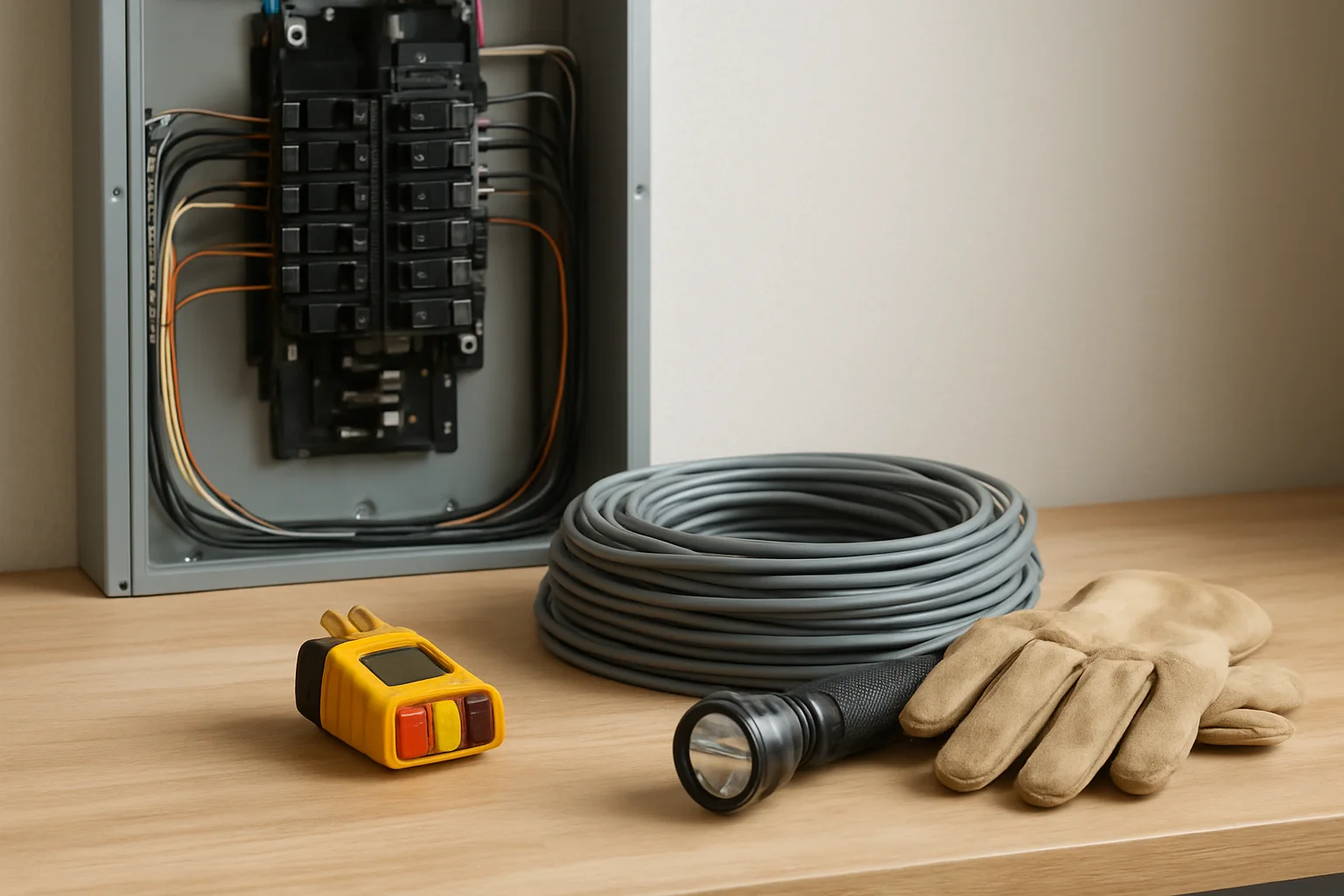
Why electrical warning signs deserve quick attention
Electrical problems often begin as small, easy-to-miss changes: a light that flickers now and then, a breaker that trips after certain appliances run, or an outlet that feels warmer than usual. In a Northwest Florida home, those signs can be especially important because heat, humidity, salt air, and seasonal storms can place extra stress on wiring, panels, receptacles, and outdoor equipment. What seems minor today may be the early sign of loose connections, overloaded circuits, damaged insulation, corrosion, or aging components that are no longer performing safely. The main point for homeowners is simple: electrical issues rarely improve on their own, and waiting can turn a manageable repair into a more complicated and disruptive one.
paragraphs_to_avoid_missing_if_needed_not_applicable_adjusted_for_json_only_placeholder_not_used
Flickering, dimming, and inconsistent lighting
Lights that flicker once in a while can have multiple causes, but repeated flickering, dimming when appliances start, or room-to-room inconsistency should not be brushed off as a harmless quirk. Sometimes the issue is within a fixture or a bulb, but it can also point to a loose connection, voltage drop, a failing switch, or a circuit carrying more load than it should. When lights change brightness as other equipment turns on, it may indicate that the electrical system is struggling to distribute power evenly. That matters because loose or overloaded connections can create heat and lead to more serious damage over time.
A professional diagnosis looks beyond the visible symptom. An electrician may check the fixture, switch, circuit, connections, and panel to determine whether the source is isolated or systemwide. That distinction matters: replacing a bulb will not solve a deteriorating connection, and replacing a switch will not address a shared circuit issue. For homeowners, the best response is to note when the problem happens, which rooms are affected, and what other devices are running at the time. That information helps a qualified technician narrow the cause faster and recommend the right repair instead of guessing.
Breakers that trip repeatedly
A tripped breaker is often a sign that the electrical system is protecting itself from overload or a fault. One trip can happen for a normal reason, but repeated trips are a warning that deserves attention. If a breaker keeps shutting off after the same appliance or combination of devices runs, the circuit may be carrying more current than it should. In other cases, the breaker itself may be aging, a connection may be loose, or there may be a wiring issue somewhere on the circuit. Homeowners should not treat repeated tripping as normal behavior, especially if it starts happening more often or on circuits that previously had no problems.
A professional assessment typically begins with identifying the pattern: which breaker trips, what was being used, and whether the issue appears during startup, steady use, or specific weather conditions. The electrician may inspect the panel, evaluate load distribution, and test the circuit for signs of overload or damage. This matters because the fix may be as simple as redistributing loads, or it may involve a more significant repair. The important thing is that the breaker is not the problem to ignore; it is the system telling you something is wrong. Resetting it over and over without understanding the cause can allow a larger electrical problem to remain hidden.
Warm outlets, switches, or cover plates
Outlets and switches should generally feel neutral to the touch. If a cover plate is warm, if an outlet face feels hot, or if a switch becomes noticeably warm during use, that can be a sign of resistance, loose wiring, or excess current on the circuit. Heat is one of the clearest clues that an electrical component is not working correctly. In a humid coastal environment, small issues can worsen when moisture, corrosion, and age are part of the picture. A homeowner may only notice the warmth during everyday use, but that small clue can reveal a hidden problem behind the wall or within the device itself.
A professional inspection is important because heat can originate from different sources. The issue might be the receptacle, the wiring terminations, the connected device, or the circuit load. An electrician can test the outlet and nearby components, look for signs of discoloration or damage, and determine whether a replacement is enough or whether the circuit needs repair. This is not an area for trial-and-error. If a component is heating up, the goal is to identify why the heat is present before it causes further damage. Homeowners should treat unusual warmth as a prompt to seek service rather than as a nuisance to monitor indefinitely.
Buzzing, crackling, or popping sounds
Electrical systems are meant to operate quietly. A buzzing panel, crackling switch, or popping outlet is not normal background noise. These sounds can be associated with loose connections, arcing, failing devices, or overloaded circuits. Arcing occurs when electricity jumps through an unwanted gap, and that can generate heat and damage over time. Even if the sound is intermittent, it should not be ignored. A minor sound can be the first warning of a much larger issue that has not yet become visible.
Professional diagnosis is valuable because sound alone does not reveal the exact source. An electrician may need to inspect the panel, devices, wiring, and connected loads to determine whether the sound is coming from one component or from the system as a whole. They will also look for related clues such as discoloration, odor, tripping, or flickering. The homeowner’s role is to report when the sound occurs, what was in use, and whether it seems to come from a specific room, outlet, or appliance. That information helps narrow the search. A buzzing or popping electrical component is not something to wait on, because the underlying cause can progress quietly until the damage is much more serious.
Odors that suggest heat or damage
A faint burning smell, a fishy odor near a switch or outlet, or any unexplained electrical odor should be treated seriously. Some odors come and go, which can make them easy to dismiss, but smell is often an early indicator that insulation, wiring, or internal components are overheating. In some cases, the odor may be strongest near one location, while in others it may seem to come from a panel or multiple rooms. Because odor can signal heat buildup long before visible damage appears, it is one of the most important warning signs homeowners can notice.
A professional electrician will not rely on smell alone. They will trace the odor to its source, examine the affected component, and look for evidence of heat stress, loosened wiring, or failure inside the device. This process matters because the smell may be caused by a component that is still functioning but deteriorating, and replacing only the visible item may leave the root cause unresolved. Homeowners should avoid assuming that a smell is harmless just because the lights still work. Electrical odors deserve prompt attention because they often indicate that the system has already been exposed to unsafe heat levels, even if the problem is not yet obvious from the outside.
Outlets that do not work, work intermittently, or feel loose
An outlet that suddenly stops working, works only sometimes, or allows plugs to wiggle loosely can be more than an inconvenience. It may point to worn internal contacts, damaged wiring, a tripped device upstream, or a loose connection in the circuit. Intermittent power can be especially frustrating because it often seems to fix itself temporarily, then returns later. That pattern is one reason homeowners should not assume the issue is minor. Loose electrical connections can create heat and instability even when a plugged-in device appears to function normally.
Professional diagnosis helps determine whether the outlet itself is failing or whether the problem is located elsewhere on the circuit. An electrician may inspect the receptacle, nearby devices, upstream connections, and the breaker panel to find out where power is being interrupted. They can also check whether the outlet is part of a larger pattern affecting multiple rooms or just one location. That distinction affects the repair approach. A homeowner may be tempted to keep using a loose outlet because it still works some of the time, but that can allow the underlying problem to continue worsening. Reliable power is not just about convenience; it is about keeping the electrical system stable and predictable.
Frequent bulb burnout or appliance issues
If light bulbs burn out much sooner than expected, or certain appliances seem to act up on the same circuit, the issue may be more than bad luck. Premature bulb failure can be linked to vibration, excess heat, loose connections, incorrect fixtures, or voltage fluctuations. Appliance performance problems can also point to circuit issues, poor grounding, or unstable power delivery. When multiple devices or bulbs on the same circuit show recurring problems, the electrical system deserves a closer look rather than repeated replacement of the symptom.
A professional assessment can help determine whether the cause is local to a fixture, shared across a circuit, or related to the service equipment. Electricians have the tools to check voltage behavior, confirm proper connections, and inspect whether the circuit is well matched to the connected load. That is important because repeated bulb or appliance problems can be an early signal of electrical stress that may not yet have caused a breaker trip or visible failure. For homeowners, the takeaway is not that every burnt-out bulb means a major repair is imminent, but that repeated patterns should be documented. When the same issue keeps happening in the same place, it usually means the system is trying to tell you something useful.
Visible damage, scorch marks, or discoloration
Any visible sign of damage around an outlet, switch, fixture, or panel should be treated as a clear warning. Brown or black marks, melted plastic, charring, or discolored wall plates suggest heat, arcing, or long-term stress. Sometimes the damage is subtle at first, such as a slightly darkened edge or a faint blistering on a cover plate. Other times it is obvious. Either way, visible damage means the problem has likely already progressed beyond an early warning stage and should be professionally evaluated as soon as possible.
A qualified electrician will inspect not only the damaged item but also the surrounding wiring and connections to understand how far the issue extends. The visible mark may be the result of a single failed device, or it may indicate a broader problem in the circuit or panel. That is why replacing only the front-facing part is not always enough. The unseen electrical path behind the wall is where the real diagnosis happens. Homeowners should avoid using damaged outlets or switches while waiting for service, because visible damage is evidence that heat or electrical stress has already occurred. In electrical repair, what you can see often represents only part of the story.
Issues after storms, power outages, or humidity changes
In Northwest Florida, weather can have a strong influence on electrical performance. Storms, outages, power restoration events, and prolonged humidity can expose weaknesses that were already present but not noticeable. After severe weather, homeowners may see outlets fail, GFCIs trip, lights behave differently, or outdoor equipment stop working as expected. Moisture intrusion, surge-related stress, and corrosion can all play a role. Even if a home looks unaffected on the surface, electrical components can be impacted in ways that are not immediately visible.
This is where professional diagnosis becomes especially important. An electrician can determine whether the problem is confined to one device or whether moisture, surge stress, or corrosion has affected more of the system. Outdoor outlets, panels, attic equipment, and exterior lighting often deserve special attention after weather-related events. Homeowners should not assume that everything is fine just because service returns after an outage. Sometimes the issue appears days later as corrosion progresses or a weakened connection finally fails. If electrical behavior changes after a storm or extended humid spell, documenting what happened and when helps the technician focus the inspection. Weather-related electrical problems can be subtle at first, but they often benefit from prompt, organized evaluation.
Why professional diagnosis is more reliable than guesswork
Electrical symptoms can overlap. Flickering lights might mean a loose connection, a failing fixture, or a circuit load issue. A tripping breaker might indicate overload, a damaged appliance, or a fault in the wiring. Because the same symptom can have several causes, guessing often leads to frustration and repeated temporary fixes. Professional diagnosis is the process of separating the symptom from the source. That means examining the circuit, testing the equipment, checking the panel, and looking for patterns across the home. The goal is not just to make the symptom disappear, but to understand why it happened in the first place.
A skilled electrician brings a methodical approach that most homeowners cannot replicate safely or accurately. They know how to identify where power is being lost, where heat is developing, and whether the issue is local or systemwide. They also understand how problems can interact, such as when aging devices, loose connections, and storm-related stress combine. For homeowners, the value of professional diagnosis is clarity. Instead of replacing parts at random, you get a targeted explanation of the problem and the repair path. That saves time, reduces uncertainty, and helps protect the home from a recurring issue that only seemed small at first.
What to do before an electrician arrives
Homeowners can help the repair process by paying attention to patterns without trying to troubleshoot beyond their comfort level. Make a note of which room or device is involved, what the symptom looks or sounds like, and whether it happens at a certain time of day or when specific appliances run. If a breaker trips repeatedly, record which breaker it is and what was in use when it happened. If a smell, heat, or sound is present, note how long it lasts and whether it is getting worse. These observations can be very useful during a professional assessment and may shorten the diagnostic process.
It is also helpful to keep the area accessible and avoid using the affected outlet, switch, or circuit until it has been examined. Homeowners should not remove covers, open panels, or test wiring themselves. Electrical systems can pose serious risks, and the safest path is to let a trained technician evaluate the issue. If the symptom involves visible burning, heavy heat, or repeated tripping, report it promptly rather than waiting to see if it resolves. Clear notes and a cautious approach give the electrician the best chance to identify the root cause efficiently and recommend the correct repair.
How 850 Electrical helps Northwest Florida homeowners
Homeowners in Bay, Walton, and Okaloosa counties need electrical service that reflects local conditions as well as the realities of an aging or heavily used home system. 850 Electrical, part of veteran-owned A Superior Mechanical, serves Northwest Florida homeowners who want a professional evaluation when warning signs appear. The focus is on identifying the source of the problem, explaining what is happening, and recommending a repair based on the condition of the system. Whether the concern is a flickering light, a tripping breaker, a loose outlet, or a weather-related issue, the key is a careful diagnosis rather than a quick assumption.
If you notice a warning sign and want a qualified assessment, 850 Electrical can be reached at 850-258-3225. An informed homeowner is in a better position to act early, reduce disruption, and address electrical issues before they grow into larger concerns. Seasonal storms, humidity, and daily electrical use all create conditions where small problems can develop quietly. A professional inspection helps separate minor wear from a real repair need, giving you a clearer picture of your home’s electrical health and a practical path forward.
Explore related electrical care
- Electrical Repair
- Indoor Lighting Installation, Repair & Upgrades
- 24 Hour Emergency Electrical Service
- Battery Backup Systems
- Ceiling Fan Services
- Circuit Breaker Panels & Rewiring
Continue reading
- Outdoor Landscape Lighting Warning Signs Northwest Florida Homeowners Should Never Ignore
- Electrical Installation Warning Signs Northwest Florida Homeowners Should Never Ignore
- Dedicated Circuits for Appliances: Warning Signs Northwest Florida Homeowners Should Never Ignore
Talk with the 850 Electrical team for help with your home or business.