
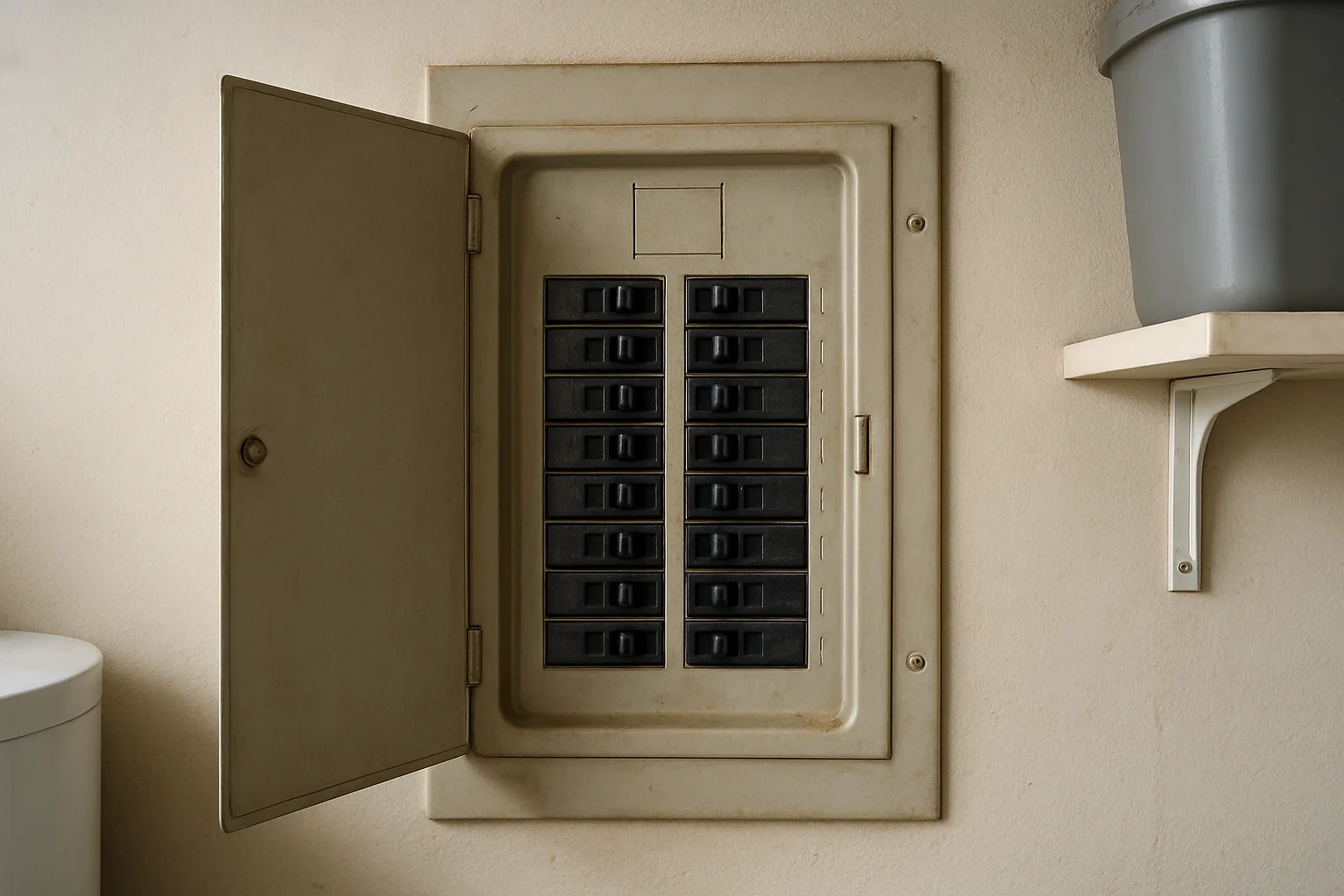
Why the Electrical Panel Deserves Attention
Your electrical panel is the central distribution point for power in your home. Every outlet, light, appliance, and hardwired device depends on it to safely route electricity where it is needed. When the panel is working well, it does its job quietly in the background. When it begins to struggle, the signs can be subtle at first: a breaker that trips more often, lights that dim when equipment turns on, or a panel that simply feels overloaded during everyday use. For homeowners in Bay, Walton, and Okaloosa counties, these signs deserve extra attention because cooling systems, moisture exposure, and seasonal storm demands can put added stress on electrical equipment.
An electrical panel issue is not just an inconvenience. It can point to undersized capacity, aging components, loose connections, or wear that needs professional evaluation. In some homes, the panel may still function but no longer match the electrical demands of modern living. That mismatch can show up when the family adds a new appliance, an electric vehicle charger, a hot tub, a workshop tool, or even several high-demand devices used at the same time. Professional assessment helps determine whether the solution is a repair, a circuit rebalancing, or a full panel upgrade. Because each home is different, the safest path is an informed diagnosis rather than guessing based on a single symptom.
How a Panel Serves the Whole House
A panel, sometimes called a breaker box or load center, receives incoming power and divides it into individual circuits. Each breaker is designed to protect the wiring on its circuit by shutting off power if the electrical load becomes too high or if a fault occurs. That protective role is important, but it also means the panel must be sized and configured correctly for the home’s actual needs. If circuits are overloaded or if the panel has limited available space, homeowners may notice frequent breaker trips or see signs of previous modifications packed into a tight enclosure.
A properly functioning panel should allow electricity to flow without excessive heat, noise, or nuisance interruptions. The layout inside the panel matters, too, because clean organization and correct labeling help support maintenance and emergency shutdowns. Older homes may have panels that were installed for a very different era of appliance use, when households drew less power overall. Today’s homes often have larger HVAC loads, more entertainment equipment, kitchen appliances, charging stations, and electronic devices than older systems were designed to handle. A professional can assess whether the panel itself is suitable, whether the branch circuits are distributed effectively, and whether any upstream or downstream issues are making the panel appear worse than it is.
Warning Sign: Breakers That Trip Repeatedly
A breaker that trips occasionally after an unusually heavy load is doing its job. A breaker that trips repeatedly, especially under normal day-to-day use, deserves investigation. Frequent trips can indicate an overloaded circuit, a failing breaker, a worn connection, a device drawing more current than expected, or a deeper panel problem. Homeowners sometimes reset a tripping breaker and continue using the same appliances without realizing the breaker is warning them that the circuit is under stress. Repeated resetting without diagnosis can allow a problem to continue unnoticed.
Professional diagnosis starts by identifying what is on the circuit and when the trip occurs. An electrician may review the load pattern, inspect the breaker condition, and look for loose terminations, overheating, or evidence of previous improper additions. If a specific appliance causes the issue, the root cause may be the appliance, the circuit wiring, or the panel’s available capacity. The important point is that repeated tripping is not a normal feature of a healthy electrical system. It is a sign that the system is protecting itself, and that protection should be understood before the pattern becomes more serious.
Warning Sign: Flickering or Dimming Lights
Lights that flicker or dim when a large appliance turns on can sometimes be caused by a utility-side issue, but they can also point to panel or circuit concerns inside the home. If the problem happens in multiple rooms or appears whenever the air conditioner, microwave, vacuum, or laundry equipment starts up, the electrical system may be straining to keep up with demand. In some cases, the issue is isolated to a particular circuit. In others, it reflects an overall capacity problem or a loose connection that needs immediate attention.
Because light behavior can be influenced by many factors, professional evaluation matters. An electrician may check the affected circuits, confirm whether the issue is limited to one branch or tied to the whole panel, and inspect for overheating or connection issues. Loose or deteriorated connections can create voltage fluctuations that should not be ignored. Homeowners should not assume flickering is merely a cosmetic nuisance. When lights change noticeably with appliance use, the electrical system is signaling that something is not operating in the most stable way. A qualified diagnosis can separate harmless causes from problems that may warrant repair or upgrade.
Warning Sign: Warmth, Buzzing, or Burning Smells
A panel should never produce a burning odor, and it should not feel unusually warm to the touch around the enclosure. Buzzing, crackling, or humming that is new or more pronounced than usual can indicate arcing, loose components, or equipment stress. These are serious warning signs because heat and electrical faults can escalate quickly. Even if the home still has power, the presence of odor or abnormal noise means the panel needs prompt professional attention. Homeowners should treat these signs as a reason to stop relying on assumptions and have the system checked.
A technician will look for signs of heat damage, discoloration, loose breakers, compromised insulation, and any evidence that the panel has been exposed to moisture or corrosion. In coastal and humid parts of Northwest Florida, environmental conditions can contribute to deterioration over time, especially in equipment that is older or installed in areas with less protection. A professional can determine whether the issue is isolated to one component or whether the panel shows broader signs of aging. The key is to have the condition evaluated before the damage spreads or the warning sign becomes an outage or safety emergency.
Warning Sign: Rust, Corrosion, or Moisture Intrusion
Rust or corrosion inside or around a panel enclosure should never be dismissed as simple cosmetic wear. Electrical equipment is designed to stay dry and protected. When moisture enters the area, it can affect breakers, terminals, bus bars, and wiring connections. In humid climates or in homes exposed to wind-driven rain, roof leaks, plumbing leaks, condensation, or flood-related moisture can accelerate corrosion. Even small amounts of moisture can reduce the reliability of electrical equipment over time.
A professional assessment can identify whether the visible rust is only on the enclosure or whether internal components may be affected. This distinction matters because surface corrosion and internal damage are not the same problem. The electrician may inspect the panel location, look for water pathways, and determine whether environmental conditions are contributing to recurring issues. If moisture is involved, simply replacing a breaker or ignoring the rust will not solve the underlying concern. Homeowners benefit from understanding not only the condition of the panel but also what may be allowing that condition to develop. Addressing the source helps protect the new or repaired equipment from the same problem returning later.
Warning Sign: An Older Panel That No Longer Fits the Home
Some panels still function but are no longer well matched to the home’s electrical demands. This is common in houses that have been remodeled, expanded, or updated with modern appliances over time. A home can begin with modest electrical needs and gradually outgrow its original panel capacity. The panel might not have enough spaces for new circuits, or it may be operating close to its practical limit even if no single symptom seems severe. When that happens, the system can become harder to manage and more prone to nuisance issues.
A professional does more than look at the panel age alone. The electrician reviews the home’s current load profile, the number of occupied circuits, the condition of the breaker assembly, and any signs of previous work that may not have been integrated cleanly. Older panels can sometimes be serviceable, but age combined with demand, wear, and outdated configuration can make replacement the better long-term choice. In other cases, a targeted repair or subpanel solution may be enough. The important takeaway is that panel age is only one part of the evaluation. The real question is whether the equipment is still suited to how the home is actually used today.
Warning Sign: Frequent Need for Extension Cords or Power Strips
When homeowners find themselves relying on extension cords, daisy-chained power strips, or awkward workarounds to power everyday rooms, the issue may be more than convenience. It can indicate that the home does not have enough properly distributed circuits or that the panel is not supporting the layout the household now needs. While some power strip use is normal for electronics, a pattern of makeshift power distribution can point to an underlying capacity or circuit planning problem.
Professional assessment helps determine whether the concern is panel capacity, insufficient branch circuits, or simply a room arrangement that has outgrown its original design. An electrician can identify where new dedicated circuits would improve safety and convenience, or whether a panel upgrade would create room for those additions. The goal is not to make homeowners feel that every cord is a danger. Rather, it is to recognize when temporary habits have become a sign that the electrical system is no longer as functional as it should be. A thoughtful diagnosis can help bring the home’s power distribution back into a safer, more practical balance.
What a Professional Panel Diagnosis Includes
A real diagnosis is more than a quick look at the outside of the box. A qualified electrician will often start by discussing the symptoms the homeowner has noticed, when they occur, and whether they affect the whole house or specific areas. From there, the inspection may include checking breaker performance, verifying circuit labeling, assessing the enclosure condition, and looking for heat, corrosion, loose connections, or signs of past modifications. The electrician may also evaluate how much total demand the home places on the electrical service and whether the existing equipment is sized appropriately.
Depending on the home and the symptoms, the professional may use testing and visual inspection to narrow the cause. That can reveal whether the issue is a failing breaker, a loose neutral, a degraded connection, a water-related problem, or a system that simply does not have enough capacity for current use. The value of a professional diagnosis is that it identifies the actual source rather than treating only the visible symptom. Homeowners do not need to know the technical details in advance. They do need a clear explanation of what is safe to continue using, what should be corrected, and whether repair or upgrade is the most practical path forward.
When a Repair May Be Enough and When an Upgrade Makes More Sense
Not every warning sign means the panel must be replaced. Some problems are specific and limited. A single worn breaker, a loose connection, or a mislabeled circuit may be correctable without a full upgrade. In those situations, the electrician may recommend targeted repairs or adjustments that restore safe operation. This is why a proper diagnosis matters: it prevents unnecessary work and focuses attention on what the home actually needs. Homeowners benefit from knowing that a repair can sometimes solve the issue, especially if the panel itself is still in good condition and has sufficient capacity.
An upgrade becomes more likely when the panel is older, crowded, damaged, undersized, or repeatedly involved in multiple symptoms. If the home has grown beyond the panel’s original design, the replacement can improve reliability and create room for future electrical needs. It can also simplify maintenance if the existing system is difficult to manage or has a history of nuisance issues. The choice is not about chasing the newest equipment for its own sake. It is about matching the electrical system to the home’s real demand, current condition, and long-term practicality. A professional can explain the difference clearly so homeowners can make an informed decision.
Why Northwest Florida Homes Face Unique Electrical Pressures
Homes in Bay, Walton, and Okaloosa counties often deal with conditions that can influence electrical equipment over time. Humidity, salt air near the coast, storm-related outages, and the heavy seasonal use of cooling systems all create pressure on a home’s electrical infrastructure. Even when equipment is installed correctly, these environmental factors can contribute to wear, corrosion, or load stress. During warmer months, air conditioning and related systems may operate for long stretches, increasing the demand placed on circuits and panels. During storm season, homes may experience surges, interruptions, or restoration events that put additional strain on aging equipment.
These local realities do not mean every panel is in trouble. They do mean that a homeowner should take warning signs seriously and have them evaluated before the next season brings more demand. A panel that has been marginal for years can become more problematic when the home is under peak load. Professional diagnosis is especially useful in this region because it accounts for both the home’s condition and the environmental context. A technician familiar with local conditions can help homeowners understand whether visible wear is normal aging, a moisture-related issue, or a sign that the system is nearing the point where an upgrade would be the smarter long-term solution.
How Homeowners Can Prepare for an Electrical Panel Visit
Before a professional arrives, it helps to note what problems have occurred and when. Write down breaker trips, rooms affected by flickering lights, any buzzing or odor, and whether certain appliances seem to trigger the issue. If there has been recent storm damage, a remodel, new equipment, or water intrusion, mention that as well. This kind of history gives the electrician a clearer picture and can make the diagnosis more efficient. It also helps separate new problems from long-standing ones that may have become more noticeable over time.
Homeowners should also make the area around the panel accessible. Clear a safe path so the electrician can reach the enclosure without obstacles. If the panel is in a closet, garage, utility room, or exterior location, easy access supports a more thorough inspection. There is no need to open the panel or attempt any troubleshooting yourself. The safest preparation is to observe, document, and let the professional handle the equipment. A good visit should leave you with a clear understanding of the problem, what was found, what is safe to do next, and whether repair, upgrade, or monitoring is the most appropriate recommendation.
Protecting Your Home With Timely Professional Service
Electrical panel issues rarely improve on their own. A repeated trip, a persistent flicker, a warm enclosure, or visible corrosion is the system asking for attention. The earlier a homeowner gets a professional evaluation, the more options are usually available. Timely diagnosis can prevent small issues from becoming larger repair needs and can help a household avoid surprise outages or equipment damage. For many families, the best outcome is not just a fix, but clarity about how the system is performing and what should be watched in the future.
850 Electrical, part of veteran-owned A Superior Mechanical, serves homeowners across Bay, Walton, and Okaloosa counties, FL. If your panel is showing warning signs or you want a professional assessment before a problem grows, call 850-258-3225. An experienced electrician can help determine whether your home needs a targeted repair, a capacity review, or a full upgrade. For an evergreen seasonal resource like this one, the practical message is simple: when the panel starts sending warning signs, trust a professional diagnosis to guide the next step safely and correctly.
Explore related electrical care
- Smart Electrical Panel Installation
- 24 Hour Emergency Electrical Service
- Battery Backup Systems
- Ceiling Fan Services
- Circuit Breaker Panels & Rewiring
- Commercial Electrical New Construction
Continue reading
- Outlet and Switch Installation Warning Signs Northwest Florida Homeowners Should Not Ignore
- Outdoor Landscape Lighting Warning Signs Northwest Florida Homeowners Should Never Ignore
- Home Theater and AV Wiring Warning Signs Northwest Florida Homeowners Should Not Ignore
Talk with the 850 Electrical team for help with your home or business.