
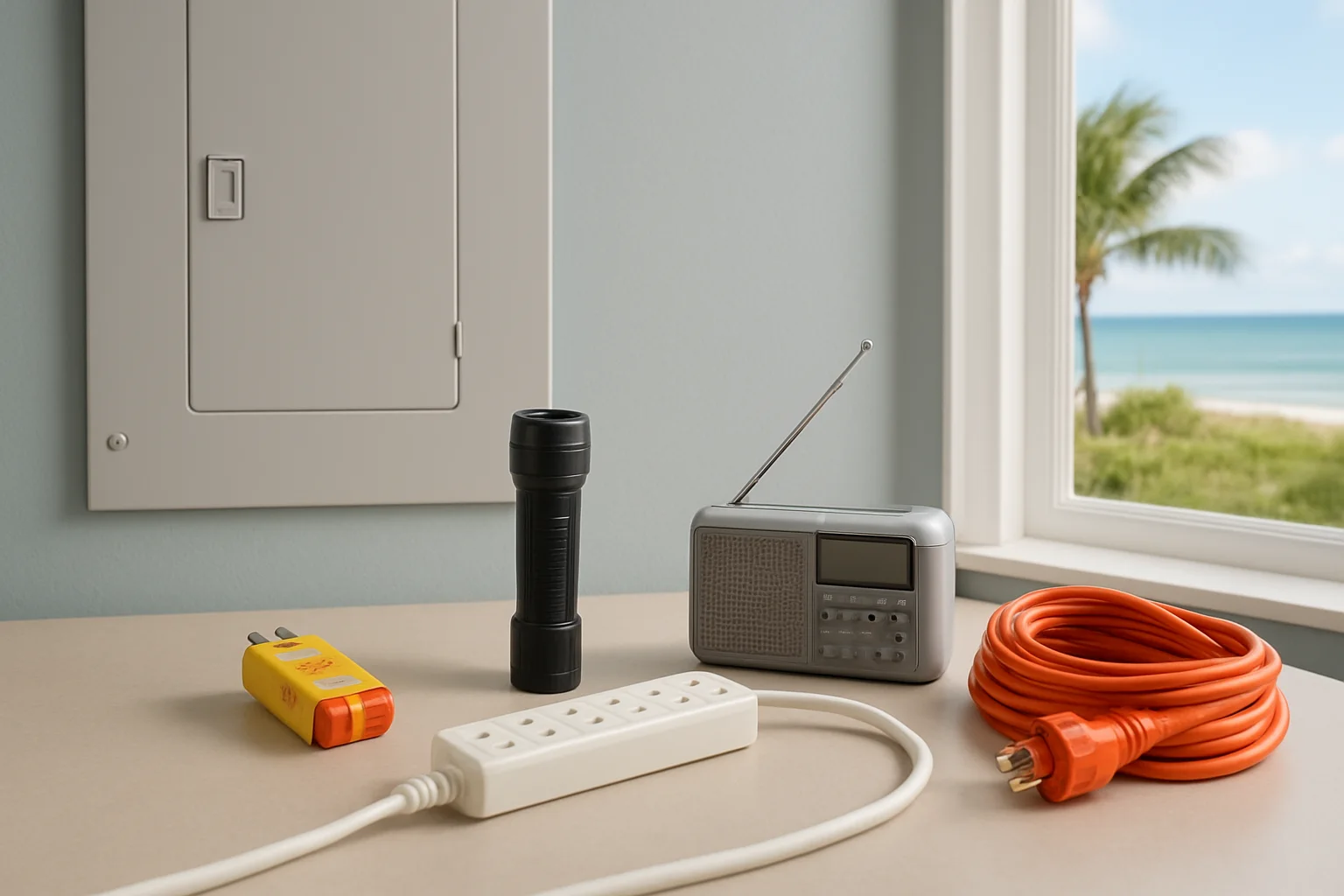
Why emergency electrical readiness matters in Northwest Florida
In Bay, Walton, and Okaloosa counties, electrical systems face a mix of weather, humidity, salt air, and fast-changing storm conditions that can stress wiring and equipment year-round. Homeowners often think of emergency electrical service as something needed only after a major outage or visible damage, but the more practical approach is to treat it as part of a broader home readiness plan. Preventive care can help reduce the chance that a small issue becomes a major disruption, especially when weather turns severe or a system is already working hard during peak cooling months.
A strong emergency plan begins with understanding that electrical problems are not always dramatic. Flickering lights, warm outlets, repeated breaker trips, buzzing panels, or a partial loss of power may seem minor at first, but they can signal conditions that deserve prompt professional assessment. For homeowners, knowing when to call for emergency service versus when to schedule a planned inspection can save time, reduce stress, and help protect appliances, comfort systems, and safety. In a coastal region where storms and moisture are part of life, readiness is not just convenient—it is practical home care.
How weather and coastal conditions affect home electrical systems
Northwest Florida homes face a combination of heat, humidity, tropical weather, and salt-laden air that can accelerate wear on electrical components. Moisture intrusion can affect outlets, switches, fixtures, and exterior connections. Even if damage is not visible, damp conditions can contribute to corrosion or deterioration inside enclosures and at connection points. Over time, that can lead to intermittent performance, nuisance tripping, or unsafe heat buildup. Homes near the coast may also experience faster aging of outdoor equipment and metal components because of the environment surrounding them.
Storm conditions add another layer of stress. Lightning, downed branches, flying debris, and power fluctuations can affect service entrances, panels, and connected appliances. Even a brief outage can be followed by surges or restoration issues that may not be obvious immediately. After a storm, a professional evaluation is often the best way to identify hidden problems before they interrupt daily life later. Seasonal planning should include not only what to do during a storm, but also what to check before hurricane season and again after the weather settles down.
What counts as an electrical emergency in the home
Not every electrical concern is an emergency, but some situations call for immediate attention from a qualified professional. A burning smell near a panel or outlet, visible smoke, sparking, repeated breaker trips that do not reset normally, loss of power in part of the house accompanied by heat or noise at the panel, or signs of melting around electrical devices all warrant urgent action. If there is any risk of fire, shock, or active damage, homeowners should prioritize safety, avoid touching affected equipment, and seek emergency assistance. The key is to treat electrical warning signs seriously instead of waiting to see whether they fade on their own.
Other issues may not rise to the level of an immediate emergency, but they still deserve prompt inspection. Examples include frequent light flickering, outlets that feel warm, a breaker that trips during normal use, or appliances that seem to affect the whole house when they run. These symptoms can point to overloaded circuits, loose connections, aging devices, or problems with the service equipment. A professional assessment helps determine whether the issue is urgent, whether power can safely remain on, and what repairs or upgrades may be appropriate. Knowing the difference can help homeowners act quickly without overreacting to every inconvenience.
Signs that deserve prompt professional assessment
Many electrical problems give subtle warnings before they become more serious. Homeowners should pay attention to changes in how the system behaves, especially if the change is new or worsening. Lights that dim when an appliance starts, outlets that stop working without an obvious cause, crackling sounds near switches, or circuit breakers that appear to trip more often than they used to are all signs that something may be wrong. These issues do not always mean an emergency is underway, but they do suggest that the system may be strained, aging, or damaged in a way that should be evaluated by a professional.
A professional assessment is important because electrical symptoms can have different causes, and the visible symptom is not always the real problem. For example, a single flickering light could involve the fixture, the switch, the circuit, or the service equipment. A breaker that trips might indicate an overloaded circuit, a failing breaker, or a problem with a connected device. Trained electricians use diagnostic methods and safety checks to trace the issue carefully rather than guessing. That matters because a quick reset or temporary fix may hide a condition that needs repair. For homeowners, the goal is not to diagnose every possibility, but to notice the pattern and act before it escalates.
Preventive care that reduces emergency calls
Preventive electrical care is one of the most effective ways to reduce surprise breakdowns. That starts with routine attention to the system’s visible parts: the main panel, breakers, outlets, switches, cords, and exterior fixtures. Homeowners should look for discoloration, loose covers, unusual warmth, corrosion, and signs of water exposure. It is also wise to notice whether any room or appliance seems to behave differently over time. While homeowners should avoid opening energized equipment or attempting repairs, they can still document what they observe and share those details with a professional during an inspection.
Professional preventive service can include checking connections, identifying overloaded circuits, testing devices, evaluating GFCI and AFCI protection where applicable, and reviewing whether the home’s electrical capacity matches current demands. This is especially useful in older homes or homes that have gained more modern equipment over time, such as larger HVAC loads, home offices, or expanded kitchen appliances. Preventive care is not about finding a problem after it interrupts service; it is about catching wear, strain, and environmental damage early. In a region where storms and heat are routine, that kind of planning can reduce both emergency calls and avoidable inconvenience.
Seasonal planning before hurricane season
Preparing electrical systems before hurricane season gives homeowners a better chance of keeping the home safe and functional if severe weather arrives. Seasonal planning should include checking that the electrical panel is accessible, clearly labeled, and free from stored items that could block service access. Exterior electrical components should be inspected for signs of wear, moisture intrusion, or damage. Homeowners should also think about critical loads in the house, such as refrigeration, medical devices, communication equipment, and cooling systems, so they understand what matters most if power becomes unstable or unavailable.
A professional seasonal inspection can help identify whether the home is ready for weather-related stress. Electricians can evaluate surge protection needs, assess outdoor equipment, and look for any signs that the service entrance or panel may be vulnerable during extreme weather. This is also a good time to discuss backup power planning in a general sense, especially if the home relies on power for comfort or health-related needs. Seasonal preparation does not guarantee that storms will not affect the home, but it can improve resilience and reduce the odds that an electrical issue will make a difficult situation worse. Planning before the season is always easier than reacting in the middle of one.
What homeowners should and should not do during an outage
When an outage happens, homeowners naturally want to restore comfort as quickly as possible. The safest first steps are usually to confirm whether the outage is limited to the home or part of the neighborhood, and to avoid using damaged equipment until the cause is known. If there are signs of electrical damage—such as smell, smoke, or sparking—those conditions should be treated as emergencies. A homeowner should not assume that restored power means the electrical system is fully fine. After a power interruption, hidden issues can remain in the panel, outlets, and connected appliances.
Homeowners should avoid unsafe troubleshooting, especially anything involving opening panels, handling exposed conductors, or guessing at wiring causes. It is also best not to repeatedly reset breakers that keep tripping, because that can worsen a problem or mask a more serious condition. Instead, note which circuits are affected, what was running when the issue started, and whether any unusual sounds or smells were present. This information helps an electrician perform a more effective assessment. The safest approach is simple: preserve the evidence, reduce risk, and let a professional inspect the system if there is any doubt about safety or damage.
Storm aftermath and hidden electrical damage
After a storm, some electrical problems are obvious, but many are not. A home may appear normal while hidden damage exists in outdoor fixtures, service equipment, attic wiring, or circuits affected by water intrusion. Lightning can also create issues that show up later as nuisance tripping, damaged electronics, or inconsistent operation. Because of that, homeowners should not rely only on whether lights come back on. If the home experienced flooding, wind-driven rain, a nearby strike, or any sign of electrical disturbance, a professional evaluation is often a smart next step.
Post-storm assessment can help identify moisture concerns, loose connections, compromised devices, or signs of surge impact. Electricians may also check whether outdoor receptacles, landscape lighting, and HVAC-related components were affected. In coastal counties, moisture and salt can compound storm damage and shorten the lifespan of equipment if problems are left unaddressed. Homeowners who think ahead and schedule an inspection after severe weather can often resolve minor issues before they become larger repairs. The main benefit is peace of mind: knowing the system has been checked by someone trained to recognize damage that may not be visible to the average homeowner.
The role of surge protection and equipment protection
Many homeowners think of surge protection only as a way to protect computers or televisions, but it can be part of a broader electrical protection strategy. Surges can come from storms, utility events, or changes within the home’s own electrical system. Sensitive electronics are not the only things at risk; appliances, HVAC controls, and other connected equipment can also be affected. Because Northwest Florida experiences storm activity and frequent electrical demand changes, surge planning is worth discussing as part of seasonal maintenance.
A professional can help determine what type of surge protection makes sense for the home and how it fits with the existing electrical setup. Not every home needs the same solution, and protection is most effective when it is chosen and installed appropriately for the property. Homeowners should also remember that surge protection is only one part of the picture. Good grounding, properly maintained panels, and sound connections all contribute to system resilience. The goal is not to assume that one device will solve every problem, but to build layers of protection that support the electrical system during periods of stress. That layered approach is especially practical in storm-prone coastal areas.
Older homes, additions, and changing electrical demands
Many homes in the region have been modified over time, and electrical systems often change more slowly than household habits. A home may have been built for a different set of appliances, room uses, and technology needs than it has today. Additions, remodeled kitchens, home offices, electric vehicle charging, or upgraded HVAC equipment can all change how much demand the system carries. If a system was not updated to match those changes, the homeowner may notice tripping breakers, dimming lights, or inconsistent performance during peak usage.
Professional assessment is valuable here because capacity and condition are not always obvious from the outside. An electrician can review whether the service, panel, branch circuits, and protective devices are suited to the home’s current needs. This does not always mean a major upgrade is required, but it does mean the system should be evaluated in the context of how the house is actually used today. For many homeowners, this kind of review becomes part of preventive care rather than a response to a breakdown. That mindset is especially helpful in homes where the electrical system has simply been asked to do more over time without being looked at closely.
When a repair may turn into a safety upgrade
Sometimes a call for emergency service reveals a condition that is more than a simple repair. A failing breaker, damaged outlet, overheated conductor, or deteriorated panel component may require replacement because the issue affects safety, not just convenience. This is one reason a careful diagnostic visit matters. The visible symptom may be a power loss or flickering light, but the underlying concern could involve heat damage, loose terminations, corrosion, or aging equipment that no longer performs reliably. A professional assessment helps distinguish between a short-term repair and a broader safety concern.
Homeowners should not view safety upgrades as overreaction. In many cases, replacing a failing component is the responsible step that prevents repeat problems. The goal is not to fix only the symptom and hope it goes away. Rather, it is to restore the system to a condition that works safely and predictably. This may include updating worn devices, improving circuit organization, or correcting issues that were discovered during troubleshooting. For homeowners, understanding that a repair can lead to a broader recommendation is useful because it reflects the reality of electrical systems: what fails often points to something worth reviewing more fully.
How to prepare an emergency electrical contact plan
A practical emergency plan begins before anything goes wrong. Homeowners should know where the main electrical panel is located, whether labels are clear, and who to contact if a problem develops after hours or during severe weather. It helps to keep important details accessible, such as the home address, nearest cross streets, and a brief note about any known issues like tripping circuits or outdoor damage. If the home has vulnerable occupants, medical devices, or critical refrigeration needs, those details matter too when explaining urgency to a service provider.
It is also wise to keep expectations realistic. Emergency electrical service is about rapid assessment and stabilization, not magic. A technician may need to inspect the home, isolate the issue, and determine whether power can be safely restored or whether a more involved repair is needed. Homeowners who communicate clearly about symptoms, timeline, and storm exposure make that process more efficient. In a region where evening storms, weekend outages, and sudden weather shifts can happen, having a simple plan can reduce panic and help the household respond calmly. A prepared homeowner is often a safer homeowner.
Working with a professional in Bay, Walton, and Okaloosa counties
When homeowners in Bay, Walton, and Okaloosa counties need electrical help, it is useful to work with a local company that understands both the region’s weather and the realities of residential systems. 850 Electrical, part of veteran-owned A Superior Mechanical, serves homeowners who need prompt electrical attention, preventive care, and seasonal planning support. A local professional can respond with an understanding of coastal conditions, storm exposure, and the importance of keeping homes safe and functional through changing seasons. For emergency service, that familiarity can matter because it helps guide the assessment and response to local conditions.
Whether the need is urgent troubleshooting or a preventive seasonal visit, the best outcome usually comes from a careful inspection and a clear explanation of what was found. Homeowners should expect a professional to identify the problem, explain the risks in practical terms, and discuss options based on the condition of the system. If you are planning ahead for storm season or responding to an electrical concern now, 850 Electrical can be reached at 850-258-3225. The most useful electrical service is not only responsive in an emergency, but also thoughtful enough to help prevent the next one.
Explore related electrical care
- 24 Hour Emergency Electrical Service
- Battery Backup Systems
- Ceiling Fan Services
- Circuit Breaker Panels & Rewiring
- Commercial Electrical New Construction
- Data Network Cabling
Continue reading
- Northwest Florida Homeowner Guide to Electrical Replacement, Preventive Care, and Seasonal Planning
- Electrical Panels and Upgrades: Preventive Care and Seasonal Planning for Northwest Florida Homeowners
- Seasonal Electrical Planning for Northwest Florida Homes: Preventive Care That Reduces Risk and Disruption
Talk with the 850 Electrical team for help with your home or business.