
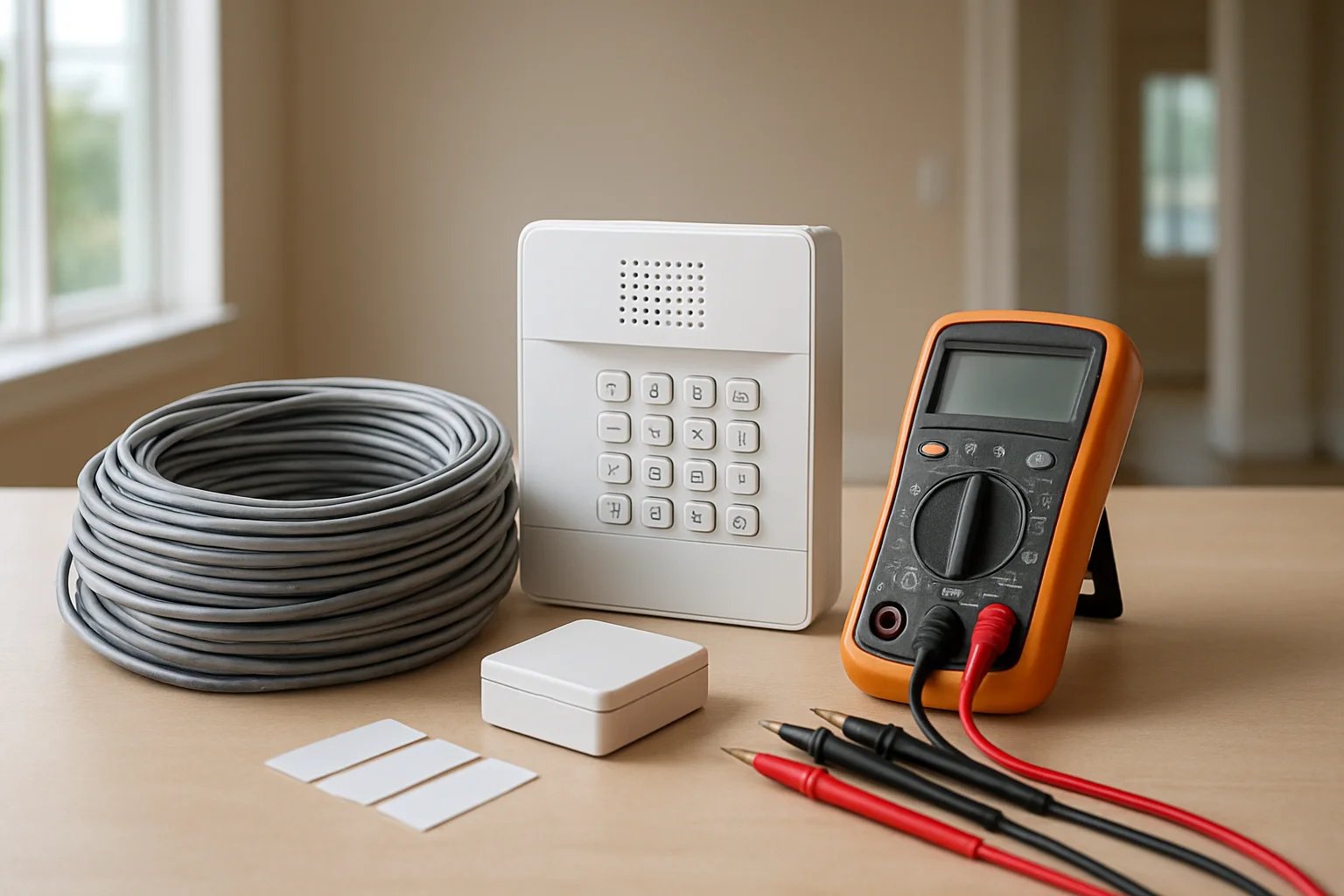
Why security system wiring deserves attention
A security system is only as dependable as the wiring that connects its devices, power sources, and control equipment. When homeowners think about security problems, they often picture a camera that stops recording, a keypad that will not respond, or a sensor that seems “fussy.” Those symptoms can be frustrating, but they are also clues. In many homes, especially those exposed to Northwest Florida’s humidity, storms, salt air, and frequent power disturbances, wiring issues are a common underlying cause. A system can look intact from the outside while hidden connections, cable routes, or terminations are slowly degrading.
That is why security wiring deserves the same attention you would give to any other essential home system. Problems do not always begin with a dramatic failure. They may start with a camera that loses signal on rainy days, a motion detector that seems inconsistent, or an alarm panel that reports trouble more often than it should. Professional diagnosis matters because modern security systems may include low-voltage wiring, power supplies, network connections, backup batteries, and sometimes integration with lighting or smart-home devices. A trained electrician can evaluate the whole path, not just the obvious symptom, and identify whether the issue is wiring-related, device-related, or caused by something else entirely.
How Northwest Florida weather affects security wiring
Northwest Florida homes face environmental conditions that can be hard on electrical and low-voltage systems. High humidity can contribute to corrosion at terminals, splice points, and device connections. Heavy rains can reveal roof, attic, or exterior pathway weaknesses that were not noticeable during dry weather. Heat can accelerate aging of insulation and other materials, while storm season brings the possibility of power interruptions and surges that may affect equipment performance even when there is no obvious physical damage.
Weather exposure does not just mean direct contact with rain. Even wiring that is inside walls or in attic spaces can be affected by temperature swings, moisture migration, or installation methods that were not ideal for the local climate. Outdoor cameras, door contacts, motion sensors, and driveway alert devices may all depend on cables and terminations that have to resist the environment over many seasons. In coastal or near-coastal areas, salt in the air can add another layer of stress to metal components. When homeowners notice security issues that seem to come and go with weather changes, that pattern often points to an installation or wiring concern that should be professionally inspected rather than repeatedly reset.
Signs a security wiring problem may be developing
One of the most common warning signs is inconsistent performance. A camera may work during the day but freeze at night, a contact sensor may trigger when a door is barely touched, or an alarm may occasionally show a fault with no clear reason. Intermittent behavior is especially important because it often suggests a loose connection, damaged conductor, or poor termination rather than a complete device failure. Homeowners may also notice that a sensor appears to lose power periodically, or that a keypad or control module needs frequent resets to behave normally.
Other signs can include buzzing from a transformer, dim or unstable indicator lights, unexplained trouble messages, or a system that behaves differently after a storm or outage. If wires are visible anywhere in the home, physical clues matter too. Frayed insulation, pinched cable runs, corrosion at junction points, staples that appear to have damaged cable jackets, or cables that hang exposed where they could be bumped or pulled all deserve attention. In some homes, the first clue is not a security event at all, but a pattern of repeated service calls, batteries dying too quickly, or devices that seem to “lose communication” without a clear cause.
Trouble at the panel does not always mean the panel is bad
When a security panel shows trouble, homeowners often assume the control unit itself has failed. Sometimes that is true, but many panel complaints trace back to wiring or power delivery. The panel is the hub, so it reports problems when it does not receive the voltage, signal, or device feedback it expects. A low battery message may be caused by charging issues, a transformer problem, or a wiring defect rather than a bad battery alone. Likewise, repeated zone faults may be related to a wire that has loosened, a splice that has deteriorated, or a device at the end of the circuit that is no longer communicating properly.
Professional diagnosis helps separate cause from symptom. An electrician can test power at the source and at key points along the system, review how the wiring is routed, and check for issues such as voltage drop, loose terminations, or signs of overheating or moisture intrusion. That matters because replacing the panel without addressing the wiring may leave the same problem in place. It can also lead to unnecessary expense and continued frustration. A careful evaluation looks at the entire chain: utility power, backup power, transformer or power supply, cable condition, device connections, and how each part interacts under normal and outage conditions.
Why intermittent alarms and false alerts should be taken seriously
False alarms are more than an annoyance. They can reduce confidence in the system and make homeowners less likely to trust it when it matters. Intermittent alarms may happen because a sensor is misaligned, but they can also point to wiring that is degraded, poorly shielded, or affected by moisture. If a contact is sensitive one day and normal the next, the issue may be with the wire path, the connection at the device, or how the cable is influenced by movement, vibration, or temperature changes. Repeated false alerts are a sign that the system needs professional attention, even if it appears to “work most of the time.”
An electrician diagnosing the issue will not just silence the alert and move on. They will want to know when it happens, whether it correlates with weather, doors opening, HVAC cycling, or power interruptions, and whether the same zone or device is involved each time. That pattern can help narrow the problem to a specific cable run, connector, or accessory component. In some cases, what looks like a wiring issue may turn out to be a device placement issue or an equipment compatibility issue. In others, the wiring is the true source. Either way, the goal is not simply to stop the nuisance alarm, but to restore reliable operation and confidence in the system.
Power problems, surges, and backup battery concerns
Security systems depend on stable power. If a home experiences frequent outages, voltage fluctuations, or surge events, the security equipment can begin to show symptoms that resemble wiring failure. Backup batteries may seem to drain too quickly, charging may become inconsistent, or the system may act strangely after a storm. A homeowner may notice that some devices work only when utility power is present, which can indicate a problem in the power supply chain or an issue with the way backup support is being delivered to the system.
Professional diagnosis includes checking whether the transformer or power supply is operating correctly and whether the backup battery and charging circuit are functioning as intended. It also means looking for signs that transient surges or repeated interruptions have stressed the wiring and connected components. In Northwest Florida, this is especially relevant during storm season, but it can also matter year-round because brief interruptions and surges are not limited to major weather events. An electrician can help determine whether the problem is simply aging backup equipment or a deeper issue in the wiring or power path. That distinction is important because replacing batteries alone will not solve a recurring power delivery problem.
What hidden wiring issues can look like from inside the home
Many homeowners first notice wiring problems because of what they observe at the user level: sluggish response, random faults, or a device that seems to “drop offline.” These symptoms may be coming from hidden cable damage behind walls, in attic spaces, or along exterior runs. A cable can be stressed by heat, movement, pests, or construction changes long after the original installation. If a system worked well for years and then slowly became unreliable, that gradual change is often a clue that the issue is physical rather than purely electronic.
Hidden issues can also arise when a home has had renovations, new insulation, roof work, pest control work, or other upgrades that affected existing wire paths. A security cable that was once protected may now be pinched, buried in insulation in a way that traps heat, or exposed to moisture where it was not before. In some homes, older low-voltage wiring may simply no longer be well matched to newer security devices that place different demands on the circuit. A professional inspection can identify whether the hidden path is compromised and whether repairs, replacement, or rerouting would restore dependable operation without creating unnecessary disturbance to the home.
How professional diagnosis works
A proper diagnosis starts with listening to the homeowner’s observations. When did the problem begin? Does it happen in one room or across the entire system? Does it follow rain, outages, door use, or specific times of day? Those details help narrow the possibilities before any tools come out. An experienced electrician then examines the system from the source outward, checking power delivery, terminations, cable condition, and device responses. The goal is to distinguish between device failure, power issue, wiring issue, and environmental influence.
Testing may include verifying voltage at key points, checking for continuity or communication problems, inspecting visible terminations, reviewing how equipment is mounted, and looking for signs of moisture, heat damage, or corrosion. In some cases, a problem is isolated to one run or one component; in others, the entire system layout may need attention. Professional diagnosis matters because it avoids guesswork. Rather than replacing multiple parts at random, the electrician can determine the most likely source of the issue and recommend the most practical repair path. That approach saves time and helps ensure the fix addresses the actual cause instead of just the most noticeable symptom.
Why low-voltage wiring still requires careful expertise
Homeowners sometimes assume that because security wiring is “low voltage,” it is simple to service. While low-voltage systems do not involve the same shock hazards as many higher-voltage home circuits, they still require careful planning, proper terminations, and respect for manufacturer and code requirements. Low-voltage wiring can be affected by routing practices, connector quality, cable protection, and compatibility between devices. A sloppy or improvised repair can create ongoing reliability problems even if it seems minor at first.
Careful expertise is especially important when the security system integrates with video, networked devices, intercom functions, smart locks, or remote monitoring features. These systems may blend electrical, communication, and control components in a way that is easy to misdiagnose. An electrician experienced with residential systems can evaluate not just whether the wire is intact, but whether the overall installation supports stable performance. That includes checking for cable runs that are too long, connections that are vulnerable to corrosion, or equipment placement that exposes parts of the system to attic heat, moisture, or physical stress. The result should be a system that works consistently, not one that merely powers on.
When to call for service instead of troubleshooting on your own
Homeowners can safely observe symptoms, note patterns, and confirm whether problems align with weather or outages. Beyond that, it is best to involve a professional. If there is burning odor, visible damage, repeated electrical tripping, warm equipment, or signs of moisture near wiring, stop using the affected system and have it inspected. Even when there is no immediate danger, persistent faults, repeated false alarms, or devices that lose communication should not be ignored. Trying to guess the cause can lead to unnecessary replacements or repeated frustration.
Calling for service is also wise if the security system has become part of a broader home comfort or automation setup. One wiring issue can affect multiple functions, and a problem that seems limited to a camera may actually involve shared power or communication pathways. A professional can determine whether the issue is isolated or systemic. For homeowners in Northwest Florida, this is especially useful before storm season, after a power event, or when preparing a home for travel. The objective is not only to fix what is broken, but to restore dependable protection and reduce the chance of being surprised by a failure when you need the system most.
What homeowners should expect from a professional visit
A good service visit should feel organized and informative. The electrician should ask about the symptoms, inspect the relevant equipment, test the wiring and power delivery, and explain what was found in clear language. If the problem is straightforward, the next steps may be simple. If the system has multiple issues, the electrician should help prioritize them so the homeowner understands which items affect immediate function and which may need attention soon for reliability. This is especially valuable when a security system has been in place for years and has accumulated small issues over time.
Homeowners can also expect the electrician to consider the overall condition of the installation. Are exterior runs protected appropriately? Are connections secure and accessible? Is the equipment located in a space where heat or moisture may shorten its life? Are the symptoms consistent with a wiring problem, or could another part of the system be responsible? A thorough professional assessment does more than fix a fault; it helps the homeowner understand the health of the entire system. That knowledge is useful for planning repairs, reducing repeat issues, and maintaining confidence in home protection.
How maintenance can reduce future security wiring problems
Routine attention can help prevent small issues from turning into larger reliability problems. Homeowners do not need to open equipment or perform electrical work to support maintenance. Instead, they can pay attention to system messages, keep exterior devices clean and unobstructed, and note changes in behavior after storms or renovations. If a keypad, camera, or sensor starts acting differently, documenting when it happens and what conditions were present can make diagnosis faster and more accurate later. That habit is especially useful in a climate where weather can influence performance.
Professional maintenance is equally important. Periodic checks can catch corrosion, loose terminations, battery wear, water intrusion, or aging components before they become a full failure. For homes with integrated systems, regular review can also confirm that the security wiring still supports the devices currently in use. As equipment ages, the original wiring may still exist but no longer be performing at its best. A professional can determine whether selective repair, replacement of a run, or a broader upgrade makes sense. The goal is dependable protection, not just temporary recovery after something goes wrong.
Why veteran-owned local service matters for Northwest Florida homeowners
Choosing a local company for security system wiring evaluation means working with someone who understands the conditions homes face in Bay, Walton, and Okaloosa counties. Local experience matters because the challenges are not the same everywhere. Humidity, coastal exposure, storms, and seasonal power concerns all influence how a residential electrical system performs. A technician familiar with the region can approach a diagnosis with those realities in mind, which can lead to more practical recommendations and fewer surprises later.
850 Electrical is part of veteran-owned A Superior Mechanical and serves homeowners across the region with a focus on dependable electrical service. For security system wiring concerns, that means homeowners can seek an assessment from a team that understands both the importance of home protection and the need for careful, professional work. Whether the issue is a false alarm, a failing camera line, a trouble message at the panel, or a system that simply no longer feels dependable, a thoughtful diagnosis can identify the real source of the problem. If you are seeing warning signs, schedule a professional evaluation rather than waiting for the next storm or outage to make the issue worse. For service in Bay, Walton, and Okaloosa counties, call 850-258-3225.
Explore related electrical care
- Security System Wiring
- Home Theater & AV Wiring
- Pool, Spa & Hot Tub Wiring
- 24 Hour Emergency Electrical Service
- Battery Backup Systems
- Ceiling Fan Services
Continue reading
- Home Theater and AV Wiring Warning Signs Northwest Florida Homeowners Should Not Ignore
- Whole-Home Backup Power Warning Signs Northwest Florida Homeowners Should Not Ignore
- Smoke Detector and Carbon Monoxide Installation: Warning Signs Northwest Florida Homeowners Should Not Ignore
Talk with the 850 Electrical team for help with your home or business.