
Why Electrical Warning Signs Deserve Attention
In a Northwest Florida home, electrical warning signs are not just minor inconveniences. Heat, humidity, salt air near the coast, storm season, and heavy seasonal appliance use can all put added stress on wiring, panels, outlets, and fixtures. A light that flickers once may seem harmless, but repeated problems often point to a deeper issue that needs professional evaluation. Homeowners who understand the difference between a simple nuisance and a developing electrical problem are better prepared to protect their property and the people in it.
Electrical systems are designed to operate quietly in the background, so changes are often the first clue that something has shifted. Breakers that trip more often, outlets that feel warm, or smells that seem out of place around electrical components can all signal conditions that should be inspected by a qualified electrician. The safest response is not to guess, patch, or ignore the issue. A professional diagnosis can identify whether the cause is a loose connection, circuit overload, aging equipment, moisture intrusion, or another condition that requires repair or replacement.
Flickering, Dimming, and Uneven Lighting
Flickering lights are one of the most common warning signs homeowners notice, and they can happen for many different reasons. Sometimes the issue is as simple as a bulb that is not seated properly or a lamp that is nearing the end of its life. But when flickering happens across multiple fixtures, appears when large appliances start up, or becomes more frequent over time, it may indicate a wiring or circuit problem that deserves professional attention. In homes throughout Bay, Walton, and Okaloosa counties, electrical demand can be especially noticeable during hot months when cooling equipment runs heavily.
Professional diagnosis starts by determining whether the problem is local or systemwide. An electrician can inspect the affected fixtures, test the circuit, review the load on the branch line, and look for loose terminations or signs of voltage fluctuation. Uneven brightness can also reveal issues with shared circuits or aging connections in the panel. Because lighting symptoms can be subtle, homeowners sometimes underestimate them until the problem affects multiple rooms. Having a licensed professional evaluate the cause helps prevent further wear, nuisance outages, or more serious electrical damage.
Breakers That Trip Repeatedly
A tripping breaker is a protective response, not just an annoyance. It is designed to shut off power when a circuit is carrying more current than it should, which helps reduce overheating and fire risk. If a breaker trips once during an unusual event, that may not be alarming. But if the same breaker trips repeatedly, it is a sign that something about the circuit needs attention. In Northwest Florida homes, repeated trips may show up in kitchens, laundry areas, garages, and rooms with portable heaters, dehumidifiers, or high-draw electronics.
A professional electrician will not simply reset the breaker and leave. Instead, the diagnosis should include checking for overload, a failing breaker, loose wiring, damaged receptacles, or an appliance that is pulling more power than expected. In some cases, the issue is not on the circuit itself but in how the household’s electrical needs have changed over time. Families add devices, remodel rooms, or install new equipment, and the original system may no longer match demand. Professional assessment helps identify the safest correction, whether that means redistributing load, repairing damaged components, or planning an upgrade.
Warm, Discolored, or Loose Outlets and Switches
Outlets and switches should not feel warm during normal use. If a wall plate is hot to the touch, a receptacle looks scorched, or a switch has become loose or noisy, those are important signs to stop and get a professional inspection. Heat is often evidence of resistance at a connection point, and resistance can create damaging conditions over time. Discoloration around a faceplate may also indicate prior arcing or repeated overheating. Even if the outlet still works, the problem behind the wall can be serious.
A licensed electrician can test the device, examine the wiring connections, and determine whether the issue is isolated to one outlet or part of a larger pattern. In older homes, worn devices or outdated wiring methods may contribute to the problem. In newer homes, poor installation, hidden damage, or excessive plug-in demand can be the cause. Because the visible damage is often only the surface clue, homeowners should avoid treating a discolored outlet as a cosmetic issue. Professional diagnosis is the right next step when an outlet or switch does not behave normally.
Buzzing, Crackling, or Other Unusual Sounds
Electrical systems should generally operate quietly. When a homeowner hears buzzing, crackling, popping, sizzling, or a persistent faint hum from a panel, outlet, switch, or fixture, it is worth paying attention. Some sounds can come from light bulbs, dimmers, or certain appliance motors, but noises coming from wiring or electrical boxes may signal loose connections, arcing, or equipment strain. In humid coastal environments, moisture-related corrosion can make these problems more likely or more noticeable over time.
Professional diagnosis is especially important because sound often suggests a condition that cannot be confirmed by sight alone. An electrician can isolate the source, inspect terminations, check for damaged components, and determine whether the noise is due to a device failure or a larger wiring issue. Homeowners should not assume that a quiet electrical system is a healthy one, but they should take unusual sounds seriously when they do appear. The safest path is to document when the noise happens, what is running at the time, and whether other symptoms are present, then share that information during an inspection.
Hot, Faulty, or Damaged Electrical Panels
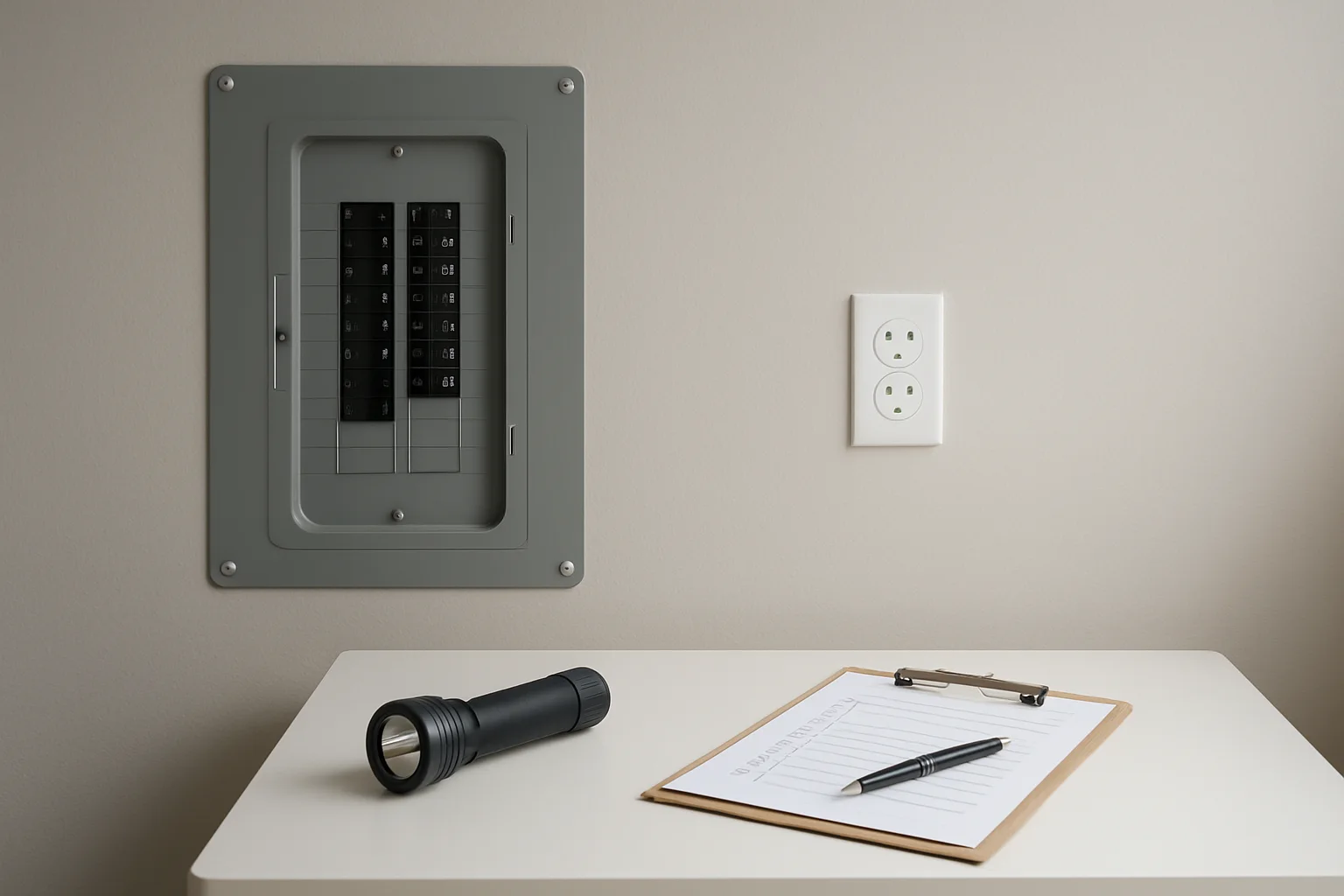
The main electrical panel is the central control point for the home’s power, so any unusual behavior around it matters. Signs such as rust, scorch marks, water staining, odors, humming, or breakers that feel unusual during operation may indicate a problem that should be evaluated by a professional. In Florida homes, panel concerns can be made worse by humidity, storm exposure, or age-related wear. Even when everything seems functional, a panel can still contain issues that are only visible under inspection.
A professional electrician will assess the panel condition, breaker performance, labeling accuracy, available capacity, and evidence of overheating or moisture intrusion. The panel may also reveal whether the home’s electrical system has outgrown its original design. This is especially important in homes that have added HVAC equipment, major kitchen appliances, workshop tools, or electric vehicle charging needs. Homeowners should never remove panel covers or try to diagnose internal components on their own. A trained electrician can interpret the condition safely and recommend the appropriate repair, maintenance, or upgrade path.
Frequent Bulb Burnout and Fixture Problems
When light bulbs burn out much sooner than expected, the problem is not always the bulb. Repeated failure can be linked to vibration, heat buildup, incompatible dimmers, loose wiring, or issues with the fixture itself. If one room seems to go through bulbs faster than the rest of the home, or if ceiling fixtures are unusually warm, there may be an underlying electrical issue. This is one of those warning signs that homeowners can overlook because the symptom seems small and familiar.
A professional inspection helps determine whether the fixture, circuit, or installation method is contributing to the problem. The electrician may check for secure connections, proper fixture rating, and signs that the fixture is operating under stress. In some cases, the issue may stem from a voltage problem or from a switch that is not compatible with the lighting setup. Rather than continuing to replace bulbs and hope the issue disappears, homeowners benefit from a diagnosis that identifies the root cause. That approach protects both the lighting system and the larger electrical network behind it.
Outlets That Stop Working or Feel Intermittent
An outlet that works sometimes and fails at other times can be easy to dismiss, especially if the household has enough other places to plug things in. But intermittent power is often a sign of a loose connection, damaged receptacle, worn wiring, or a tripped protective device somewhere in the circuit. In homes with older electrical infrastructure or mixed updates over the years, intermittent issues can be especially confusing because the symptoms may come and go with no clear pattern.
Professional diagnosis focuses on tracing the circuit, checking continuity and connection integrity, and identifying where the interruption occurs. The electrician may test multiple devices and determine whether the issue is localized or related to a shared circuit path. Homeowners should not rely on a working outlet that has already shown signs of instability, because intermittent behavior can worsen unexpectedly. A proper assessment can help prevent appliance damage, reduce nuisance outages, and reveal conditions that could become more serious if left unresolved.
Storm-Related Electrical Concerns in Northwest Florida
Northwest Florida homeowners are familiar with storm season, and electrical systems can be affected by strong winds, lightning, heavy rain, and power fluctuations. Even when a storm does not cause obvious damage, it can still leave behind hidden issues such as compromised outdoor fixtures, moisture intrusion, tripped surge devices, or weakened connections. After an outage or storm event, it is wise to watch for signs that the system is not returning to normal, such as unusual odors, sporadic power loss, or devices that no longer respond as expected.
Professional evaluation is especially useful after weather events because storm damage is not always visible to a homeowner. An electrician can inspect outdoor receptacles, service equipment, transfer equipment if present, and affected circuits to look for damage or unsafe conditions. This is also a good time to discuss whole-home protection strategies and maintenance priorities with a professional who understands local weather demands. Storm season is not the moment for guesswork; it is the time to make sure the system has recovered safely and that hidden issues are not waiting to surface later.
Moisture, Corrosion, and Coastal Exposure
Humidity and coastal air can influence electrical performance more than many homeowners realize. Moisture intrusion can affect outlets, switches, outdoor fixtures, panels, and junction points, especially if seals, covers, or enclosures have deteriorated over time. Corrosion may develop gradually, and the first signs can be subtle: a faint discoloration, a device that feels unreliable, or a fixture that behaves unpredictably after rain or high humidity. In coastal and near-coastal areas, this type of wear deserves careful attention because it can shorten the life of electrical components.
A professional electrician can determine whether moisture is the underlying cause and whether the affected equipment needs repair or replacement. The inspection may include looking for failed weatherproofing, damaged conduit, rusted parts, or evidence that moisture has traveled beyond the visible area. Homeowners should be especially cautious if an outdoor outlet, porch light, pool-adjacent component, or garage device begins acting differently after wet weather. Professional diagnosis is important here because moisture issues often spread or recur if the source is not addressed, even when the symptom appears minor at first.
Age, DIY Additions, and Outdated Wiring Clues
Many Northwest Florida homes have electrical systems that have been modified over the years. Prior DIY work, partial renovations, added rooms, new appliances, and aging original wiring can create a system that functions, but not always cleanly or efficiently. Warning signs may include mixed outlet types, missing labels, too few circuits for modern use, or devices that behave inconsistently from one room to another. These clues do not automatically mean the home is unsafe, but they do suggest that a careful electrical assessment would be useful.
A professional diagnosis can reveal whether the system is simply old, improperly altered, undersized for current demand, or in need of targeted updates. The electrician may review visible wiring, testing results, and load distribution to understand how the whole system works together. This kind of assessment is valuable because electrical problems often develop gradually. Homeowners who inherited a house, purchased an older property, or have added equipment over time may not know the full story behind the wiring. A professional can help turn uncertainty into a practical plan for repairs or future improvements.
How a Professional Electrical Diagnosis Works
Professional diagnosis is more than a quick look at a problem area. A qualified electrician typically starts by listening to the homeowner’s observations: when the symptom began, what devices or rooms are involved, and whether the issue changes with weather, time of day, or appliance use. Those details matter because electrical problems often follow a pattern. From there, the electrician can inspect the affected components, test the circuit, and compare findings to the rest of the system to narrow down the likely cause.
The goal is to identify the root problem, not just the symptom. Depending on what is found, the electrician may recommend repair, replacement, load balancing, maintenance, or further evaluation of related equipment. This process helps prevent repeated callbacks and gives the homeowner a clearer understanding of risk and next steps. For electrical concerns, a proper diagnosis saves time and can prevent a small issue from growing into a bigger one. It also provides peace of mind, which matters when the warning signs are subtle or intermittent. A careful inspection is the safest way to decide what really needs to be done.
When to Call 850 Electrical
Homeowners should contact a professional when warning signs are repeated, unexplained, or involve heat, odor, smoke, buzzing, scorch marks, or frequent breaker trips. The same is true if a panel looks damaged, outlets are intermittently failing, or the home has experienced storm-related electrical concerns. Even when the symptom seems minor, an electrical issue can develop in ways that are not obvious from the outside. A prompt professional assessment helps protect the home and can reduce the chance of larger electrical damage later.
850 Electrical, part of veteran-owned A Superior Mechanical, serves homeowners across Bay, Walton, and Okaloosa counties in Florida. If you notice electrical warning signs and want a professional diagnosis, call 850-258-3225. The right response is not to wait until the problem becomes obvious or disruptive. It is to have a trained electrician evaluate the system, explain what is happening, and recommend the appropriate next step based on the actual condition of your home’s electrical equipment.
Explore related electrical care
- Home Theater & AV Wiring
- Security System Wiring
- Smart Home Integration
- Whole Home Backup Solutions
- Whole Home Rewiring
- Whole Home Surge Protection
Continue reading
- Warning Signs Your Home’s Lighting Fixtures Need Professional Attention in Northwest Florida
- Whole Home Rewiring Warning Signs Northwest Florida Homeowners Should Know
- Whole-Home Backup Power Warning Signs Northwest Florida Homeowners Should Not Ignore
Talk with the 850 Electrical team for help with your home or business.